Anglo Norman Swords: History, Evolution & Medieval Knight Blades
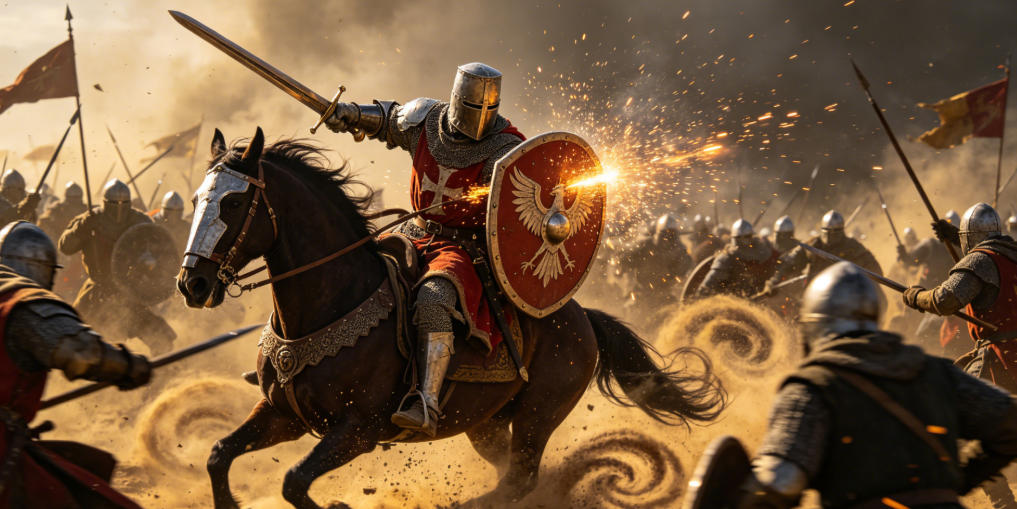
What Are Anglo Norman Swords and How Did Medieval Knight Swords Evolve?
The Anglo Norman sword is one of the most iconic medieval European swords, representing a major transition in the development of the medieval knight sword. Emerging after the Norman Conquest of England in 1066, Anglo Norman swords combined Viking sword traditions with Norman military innovations, creating a powerful weapon that influenced European sword design for centuries.
When people search for Anglo Norman swords, Norman sword history, or medieval knight swords, they are often interested in how these legendary blades evolved, how they were used by medieval warriors, and why they remain popular among collectors today.
This guide explores the history of Anglo Norman swords, medieval sword evolution, Norman battlefield weapons, sword craftsmanship, and the development of European knight swords.
What Is an Anglo Norman Sword?
An Anglo Norman sword is a medieval sword developed in England and Normandy between the late 11th and 12th centuries. It appeared during a period when Norman knights transformed European warfare through cavalry tactics, armor development, and improved weapon designs.
The Anglo Norman sword was mainly a double-edged straight sword designed for:
-
Powerful cutting attacks
-
Mounted cavalry combat
-
Close-range battlefield fighting
-
Defensive sword techniques
Compared with earlier Viking swords, Anglo Norman swords featured more refined designs, including improved blade balance, stronger crossguards, and better handling characteristics.
These swords became the foundation for later medieval knight swords, influencing famous European sword types such as the arming sword.

The Origins of Anglo Norman Swords
The development of Anglo Norman swords was closely connected with the rise of Norman power in Europe.
The Normans were descendants of Viking settlers who established themselves in northern France. Although they adopted French culture, they retained many elements of Viking military tradition, especially in weapon design.
Before the Norman period, Viking swords were among the most advanced European weapons. They featured:
-
Long double-edged blades
-
Strong cutting ability
-
Simple but effective guards
-
Heavy battlefield construction
Norman sword makers improved these designs by creating lighter, better-balanced blades suitable for mounted knights.
The result was the Anglo Norman sword, a weapon perfectly adapted to the changing warfare of medieval Europe.
Anglo Norman Sword and the Norman Conquest of England
The Norman Conquest of England in 1066 was one of the most important events in medieval history.
Led by William the Conqueror, the Norman army defeated the Anglo-Saxon forces at the Battle of Hastings.
Norman knights carried weapons that reflected their military advantage:
-
Norman swords
-
Spears
-
Shields
-
Chainmail armor
-
Norman helmets
The sword became a symbol of Norman knightly identity and battlefield authority.
After the conquest, Norman sword styles spread throughout England, creating the unique Anglo Norman sword tradition.
Design Features of Anglo Norman Swords
Anglo Norman swords were designed for both effectiveness and durability.
Blade Design
The typical Anglo Norman sword featured:
-
Double-edged blade
-
Broad cutting surface
-
Strong central ridge
-
Sharp point for thrusting
Early medieval swords focused mainly on cutting because most warriors wore limited armor. As armor technology improved, sword designs gradually adapted for stronger thrusting attacks.
Crossguard and Handle
The crossguard of Anglo Norman swords was usually:
-
Straight
-
Slightly curved
-
Strongly built
The handle was designed for one-handed use, allowing knights to carry a shield in the other hand.
A typical medieval knight sword included:
-
Wooden grip
-
Leather wrapping
-
Heavy pommel for balance
This construction provided excellent control during mounted combat.
Anglo Norman Sword Evolution: From Viking Blade to Knight Sword
The history of Anglo Norman swords shows the gradual evolution of European medieval weapons.
Viking Sword Influence
Early Norman swords inherited many features from Viking blades:
-
Similar blade shape
-
Double-edged design
-
Strong cutting ability
-
Decorative sword fittings
However, Norman sword makers refined these features for knightly warfare.
Development of the Arming Sword
By the 12th century, Anglo Norman swords evolved into the classic medieval arming sword.
The arming sword became the standard weapon of European knights and featured:
-
Improved balance
-
More pointed blades
-
Better thrusting ability
-
Lighter construction
This evolution marked an important stage in medieval sword history.
Anglo Norman Swords vs Viking Swords
Many people compare Anglo Norman swords vs Viking swords because of their shared history.
Viking Sword
Features:
-
Earlier design
-
Heavier blade
-
Strong chopping ability
-
Primarily battlefield focused
Anglo Norman Sword
Features:
-
More refined balance
-
Better suited for cavalry
-
Improved handling
-
More advanced knightly design
While Viking swords influenced Norman weapons, Anglo Norman swords represented the next generation of European sword development.
The Role of Anglo Norman Swords in Medieval Warfare
Anglo Norman swords were essential weapons for medieval knights.
Their main advantages included:
Cavalry Combat
Mounted knights relied on swords after their lances were no longer effective.
The sword allowed:
-
Quick follow-up attacks
-
Close combat flexibility
-
Powerful downward strikes
Shield Fighting
Because most early medieval knights carried shields, the one-handed sword design was extremely practical.
A knight could:
-
Block enemy attacks
-
Strike quickly
-
Maintain defensive protection
Symbol of Status
During the medieval period, swords were not only weapons.
They represented:
-
Nobility
-
Military rank
-
Honor
-
Knightly identity
A finely crafted sword was often considered a valuable possession passed through generations.

Medieval Sword Craftsmanship: How Anglo Norman Swords Were Made
Creating a medieval sword required advanced craftsmanship and skilled swordsmiths.
Traditional sword making involved several important stages.
Choosing the Steel
Medieval swordsmiths carefully selected iron and steel materials to create blades with:
-
Strength
-
Flexibility
-
Edge retention
Modern historical replicas often use:
-
1060 carbon steel
-
1095 high carbon steel
-
Spring steel
These materials recreate the durability of traditional medieval swords.
Forging the Blade
The swordsmith heated metal in a forge and repeatedly:
-
Hammered the steel
-
Shaped the blade
-
Removed impurities
-
Improved structure
Hand forged medieval swords require significant skill because the blade must balance hardness and flexibility.
Heat Treatment
Heat treatment determines the performance of a sword.
A properly tempered blade provides:
-
Hard cutting edges
-
Strong blade structure
-
Resistance against breaking
This process remains one of the most important parts of modern handmade medieval sword production.
Finishing and Decoration
The final stages include:
-
Blade polishing
-
Handle wrapping
-
Guard installation
-
Pommel fitting
-
Scabbard creation
Many Anglo Norman sword replicas feature historically inspired decorations based on medieval designs.
Famous Medieval Swords Related to Norman Tradition
The Anglo Norman period influenced many legendary European swords.
Some famous medieval swords include:
-
Norman swords from the 11th century
-
Viking-inspired medieval blades
-
Knightly arming swords
-
European longswords
These weapons represent the development of medieval sword technology from early Viking traditions to advanced knight combat systems.
Why Are Anglo Norman Swords Popular Today?
Today, Anglo Norman swords attract collectors, historians, reenactors, and medieval enthusiasts.
Popular reasons include:
Historical Importance
They represent a major turning point in European history.
Unique Medieval Design
Their simple but powerful appearance makes them highly recognizable.
Connection With Knights
They are strongly associated with:
-
Medieval castles
-
Norman warriors
-
Knight culture
-
European battles
Collectible Value
Many collectors search for:
-
Authentic medieval sword replicas
-
Hand forged knight swords
-
Historical European swords
-
Norman swords for sale
How to Choose a Medieval Sword Replica?
When choosing an Anglo Norman sword replica, consider several factors.
Blade Material
High-quality options include:
-
1060 carbon steel
-
1095 high carbon steel
-
T10 steel
Construction
Important features:
-
Full tang construction
-
Strong blade attachment
-
Proper weight balance
-
Durable fittings
Purpose
Choose according to your needs:
-
Display collection
-
Historical reenactment
-
Training practice
-
Medieval weapon collection
A well-made medieval sword should combine historical accuracy, craftsmanship, and durability.
Conclusion: The Legacy of Anglo Norman Swords
The Anglo Norman sword represents one of the most important stages in the evolution of medieval European weapons.
Born from Viking sword traditions and refined by Norman knights, these blades helped shape the future of the medieval knight sword and European sword craftsmanship.
From the battlefield of the Norman Conquest to modern historical collections, Anglo Norman swords continue to fascinate people who appreciate medieval history, knight culture, and traditional sword making.
For collectors looking for hand forged medieval swords, Norman sword replicas, or a deeper understanding of European medieval sword history, the Anglo Norman sword remains an unforgettable symbol of medieval craftsmanship and warrior heritage.
