Bastard Sword History & Combat Techniques: Medieval Weapon Guide
What Makes the Bastard Sword a Versatile Weapon in Medieval Warfare?
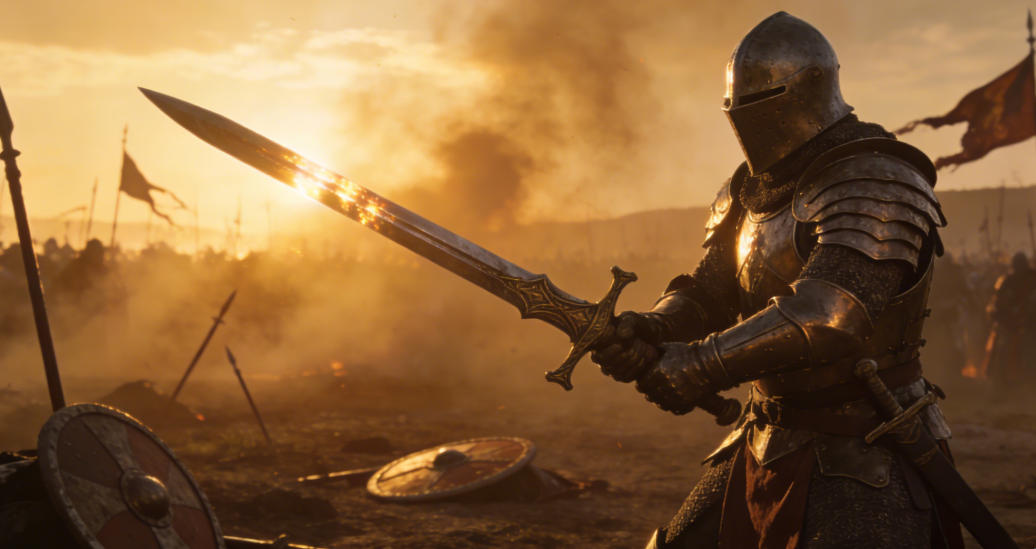
The bastard sword, also known as the hand-and-a-half sword, is one of the most versatile weapons in medieval history. Its unique design allowed warriors to wield it with either one hand or two, giving it a significant advantage on the battlefield. Understanding the history of bastard swords, their combat techniques, and their role in medieval warfare is essential for sword enthusiasts, reenactors, and history buffs alike.
History of the Bastard Sword
Originating in the 14th century Europe, the bastard sword evolved as a response to changing battlefield conditions. Unlike the shorter arming swords, the bastard sword provided extra reach and cutting power without sacrificing agility. These swords became popular among knights, men-at-arms, and mercenaries who required a versatile weapon capable of both offense and defense.
Bastard swords were often carried with a single-handed grip for general combat, but in the heat of battle, the wielder could slide their hand down the grip for a two-handed strike, delivering devastating blows. This adaptability made the bastard sword a favorite weapon during the late medieval period.

Design and Features
A typical bastard sword features a long blade measuring between 36 to 48 inches, with a cruciform hilt that offers excellent hand protection. The extended grip accommodates both one-handed and two-handed techniques, making it ideal for medieval sword fighting. Many historical examples show carefully balanced blades that allowed for both thrusting and slashing, while some were designed for armor-piercing attacks.
The versatility of the bastard sword meant it could be paired with a shield for traditional defense or used solo in a duel. Its design also influenced later European swords, laying the groundwork for the Renaissance longsword.
Combat Techniques
Mastering a bastard sword requires understanding both offensive and defensive techniques. Traditional medieval manuals, such as the German Fechtbuch, provide detailed instructions for hand-and-a-half sword techniques, including:
- Thrusting attacks to penetrate armor gaps.
- Diagonal and horizontal cuts for slashing unarmored opponents.
- Half-swording techniques, gripping the blade to improve control in close combat.
- Parries and counters using the crossguard to deflect strikes.
Experienced fighters often switched between one-handed and two-handed grips depending on distance, armor, and opponent strategy. This adaptability made the bastard sword a formidable weapon for both battlefield engagements and duels.
Role in Medieval Warfare
During medieval warfare, the bastard sword was highly valued for its versatility. Knights and soldiers could wield it against both infantry and mounted opponents. Its reach allowed for engaging enemies from a safer distance, while the ability to use two hands added power to penetrate armor.
The bastard sword was not only practical but also a symbol of status. Owning a well-crafted hand-and-a-half sword indicated wealth and military experience, making it a prestigious weapon among European warriors. Over time, the bastard sword influenced sword design across Europe, bridging the gap between traditional arming swords and the larger two-handed greatswords.

Modern Popularity
Today, bastard swords are highly sought after by collectors, martial artists, and historical reenactors. Modern replicas are used in HEMA (Historical European Martial Arts) training, medieval reenactments, and even stage combat. The combination of historical significance, practicality, and aesthetic appeal ensures that the bastard sword remains a beloved piece of medieval weaponry.
Whether you are interested in the history of swords, medieval combat techniques, or collecting antique weaponry, the bastard sword offers a fascinating glimpse into the evolution of European arms and warfare.
Crafting and Materials
The effectiveness of a bastard sword depended not only on its design but also on the quality of its materials and craftsmanship. Most swords were forged from high-carbon steel, which offered the perfect balance of flexibility and strength. Skilled blacksmiths employed techniques such as pattern welding and heat treatment to create blades capable of withstanding the rigors of battle.
The hilt, often made from wood and reinforced with steel or iron, was designed for durability and comfort. Leather-wrapped grips ensured that the sword could be wielded effectively without slipping, while ornate pommels added both balance and aesthetic appeal. Collectors today highly value these historical details, making authentic or expertly crafted replicas a centerpiece for medieval weapon collections.
Bastard Sword in Popular Culture
The bastard sword has captured the imagination of modern audiences through movies, video games, and literature. From epic fantasy sagas to historically inspired films, the hand-and-a-half sword often symbolizes heroism, skill, and versatility in combat. Popular franchises such as fantasy novels and medieval-themed games frequently showcase the bastard sword as a weapon of choice for knights and warriors, cementing its legacy in both history and entertainment.
Its portrayal in media also inspires interest in HEMA training, historical reenactments, and weapon collecting. The combination of practical combat use, historical significance, and cultural impact makes the bastard sword a symbol of medieval martial prowess that continues to resonate with enthusiasts worldwide.
