Bronze Swords in Ancient Warfare: Fragile Relics or Deadly Weapons?
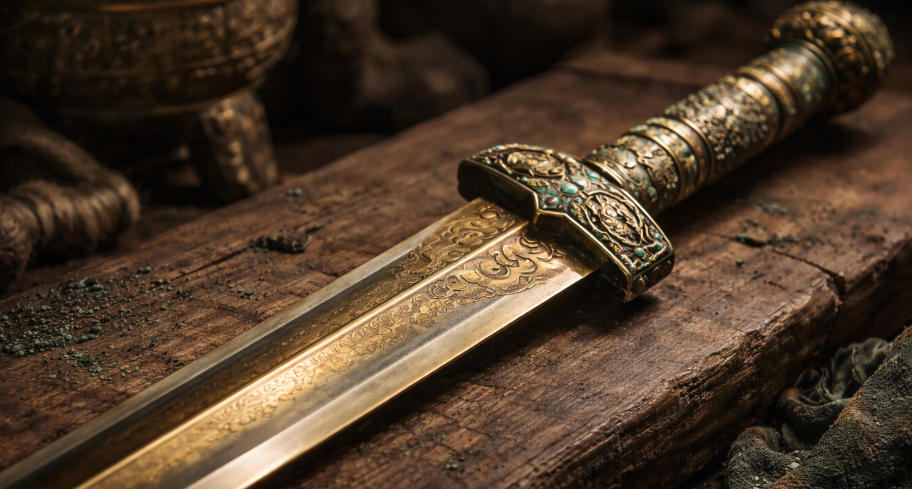
Were Bronze Swords Really Too Fragile for Ancient Battlefields?
Bronze swords have long fascinated historians, archaeologists, and weapon enthusiasts as iconic ancient weapons of war. When people picture early swords, they often imagine the gleaming bronze blades that once dominated battlefields in the Bronze Age. But were bronze swords really fragile, or were they truly deadly cutting weapons in ancient combat?
Understanding the role and performance of bronze swords in history reveals not just how they shaped warfare, but also how metallurgy and design evolved to make them effective weapons long before iron and steel dominated.
The Rise of Bronze Age Swords
The Bronze Age, beginning around 3300 BCE and lasting for thousands of years in various regions, was an era defined by the widespread use of bronze for tools and weapons. Bronze—a metal alloy typically made of copper and tin—was stronger and harder than earlier materials like stone and copper alone. This breakthrough allowed smiths to cast longer, sharper blades capable of both cutting and thrusting.
Ancient civilizations such as Mesopotamia, Egypt, the Hittite Empire, and China all developed distinct bronze swords adapted to their unique combat styles. These swords were not just ceremonial objects; they were central weapons of infantry and chariot warriors.
Were Bronze Swords Weak or Fragile?
One common myth is that bronze swords were too soft or brittle to be effective in battle. While bronze isn’t as hard as iron or modern steel alloys, well-made bronze swords could still be remarkably resilient. Through careful casting, annealing, and tempering techniques, ancient smiths created blades with balanced flexibility and strength.
In fact, high-quality bronze swords could withstand repeated use and powerful strikes. Rather than shattering instantly on impact, a well-forged bronze weapon often displayed a degree of elasticity that helped absorb shock. This allowed warriors to use bronze swords effectively in both cutting and thrusting motions.

Design and Metallurgy Made the Difference
The effectiveness of a bronze sword depended heavily on its design and the skill of the smith. Bronze swords evolved through several stages:
-
Flanged blades – Early bronze swords featured raised edges that reinforced the blade and improved rigidity.
-
Leaf-shaped swords – Popular in later periods, these blades widened toward the center to improve cutting efficiency.
-
Riveted tangs – Some bronze swords had tangs that allowed for secure wooden or bone handles, enhancing grip and control.
These innovations helped counterbalance the natural limitations of bronze and made swords more reliable in combat.
Functionality in Battle
Bronze swords served multiple purposes on ancient battlefields. They were used for:
-
Slashing enemies in close combat
-
Thrusting from chariots and horseback
-
Defensive parries and blocks
-
Ceremonial and symbolic displays of power
Early infantrymen often paired bronze swords with shields and spears, creating lethal combinations of reach, protection, and offensive power. In many cases, mastery of weapon strategies and combat formation was more decisive than the material of the blade itself.

Bronze Ages Around the World
Different regions developed bronze swords suited to their warfare styles. For example:
-
Mesopotamian swords often featured straight blades for thrusting in tight formations.
-
Egyptian khopesh-like bronze swords combined curved cutting edges with inner hooks for versatile fighting techniques.
-
European leaf-shaped swords emphasized cutting power and balance.
-
East Asian bronze swords evolved in shape and ornamentation as metallurgy advanced.
These regional variations highlight how bronze blade technology spread and adapted across continents.
Why Bronze Swords Matter in History
Bronze swords represent a major milestone in human technology. They were among the first mass-produced weapons made through metal casting, demonstrating early advances in metallurgy, weapon design, and military strategy.
Even after iron became more common, bronze swords continued to influence swordsmith traditions and artistic metallurgy. Today, they help archaeologists understand ancient cultures, trade networks, and technological progress.
Conclusion: Deadly Ancient Weapons — Not Just Fragile Artifacts
Despite common misconceptions, bronze swords were far from useless relics. While not as strong as later iron or steel blades, well-made bronze swords were effective, durable weapons that played central roles in ancient warfare. Their design, metallurgy, and adaptability made them deadly tools on the battlefield and enduring symbols of early human ingenuity.
From the earliest flanged weapons to the classic leaf-shaped blades of later periods, bronze swords remain a testament to the power of early metalworking and their impact on the development of ancient combat.
-
Posted in
other
