Claymore Sword Guide: Scottish Two-Handed Medieval Greatsword History
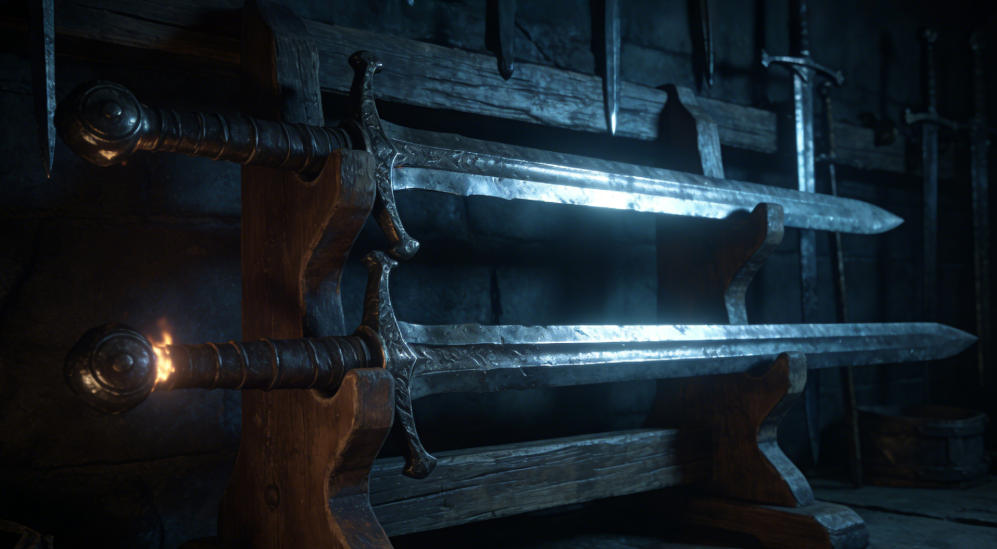
What Is a Claymore Sword? The Legendary Scottish Two-Handed Weapon
The claymore sword, also widely searched as Scottish greatsword, medieval two-handed sword, and Highland warrior sword, is one of the most iconic weapons of medieval Europe.
Originating from the Scottish Gaelic term claidheamh mòr, meaning 'great sword,' the claymore was a large two-handed battlefield weapon used by Scottish Highland warriors between the 15th and 17th centuries. It is known for its massive size, devastating cutting power, and symbolic role in clan warfare.
In modern search trends, it is often associated with:
- Scottish claymore sword history explained
- two-handed medieval sword combat techniques
- claymore vs zweihander differences
- Highland warrior weapons guide
- medieval greatsword battlefield tactics
The claymore remains a symbol of Scottish strength, honor, and battlefield dominance.
History of the Claymore Sword in Scottish Warfare
The claymore emerged during the late medieval period, evolving from earlier European longswords and greatswords.
Historical development highlights:
- Used widely from 15th to 17th century Scotland
- Common in Highland clan warfare and border conflicts
- Last major battlefield appearance at the Battle of Killiecrankie (1689)
- Evolved from earlier two-handed medieval European swords
Scottish warriors relied on the claymore during battles against English forces and rival clans, where its reach and power provided a major advantage in open-field combat.
Unlike smaller swords, the claymore was designed for aggressive frontline warfare and formation-breaking strikes.

Claymore Sword Design: Blade, Grip, and Structure
The claymore is defined by its imposing structure and battlefield efficiency.
Blade Characteristics
The blade is:
- Long and double-edged
- Typically 120–150 cm in total length
- Straight with a sharp, tapered point
- Designed for both slashing and thrusting
This made it highly effective against infantry formations and lightly armored opponents.
Two-Handed Grip and Control
One of the most important features is its extended two-handed grip, which provides:
- Increased leverage and striking power
- Better control over heavy swings
- Improved balance during combat
- Ability to execute wide battlefield arcs
This allowed warriors to generate devastating momentum, capable of breaking shields and disrupting enemy lines.
Crossguard and Defensive Function
The claymore’s crossguard is not only defensive but also tactical:
- Protects hands during combat
- Helps block and redirect enemy weapons
- Can hook or trap opponent blades
- Adds psychological intimidation on the battlefield
Some designs feature distinctive forward-curving arms, giving the weapon its iconic Scottish silhouette.
How the Claymore Was Used in Medieval Combat
The claymore was not just a heavy sword—it was a complete battlefield system weapon.
1. Powerful Slashing Attacks
The primary use of the claymore was:
- Wide horizontal sweeps
- Diagonal cutting strikes
- Momentum-based heavy attacks
These were ideal for breaking enemy infantry formations.
2. Thrusting Techniques
Despite its size, the claymore was also effective for:
- Piercing armor gaps
- Targeting lightly armored enemies
- Finishing wounded opponents
3. Formation-Breaking Warfare
On medieval battlefields, the claymore excelled in:
- Breaking shield walls
- Disrupting pike formations
- Creating openings for allied troops
Its psychological impact alone often caused enemy hesitation before engagement.

Claymore vs Other Medieval Greatswords (Zweihander Comparison)
The claymore is often compared to the German Zweihander, another massive two-handed sword.
Key differences include:
- Claymore: lighter, more agile, battlefield versatile
- Zweihander: larger, heavier, used for formation breaking
While both were powerful, the claymore was better suited for mobile Highland warfare, where terrain demanded flexibility.
Cultural Symbolism of the Claymore Sword
Beyond warfare, the claymore became a powerful cultural icon in Scotland.
It represents:
- Highland warrior identity
- Clan honor and loyalty
- Courage in battle
- Independence and resistance
Many Scottish legends and historical stories depict the claymore as a weapon of heroes and clan leaders.
Claymore in Modern Pop Culture and Gaming
Today, the claymore remains widely recognized in:
- Fantasy films and historical dramas
- Video games and RPG weapon systems
- Medieval reenactments and HEMA communities
- Collectible replica sword markets
In gaming, it is often portrayed as:
- High-damage two-handed weapon
- Slow but powerful greatsword
- Armor-breaking melee weapon
This modern image closely reflects its historical battlefield role.
Conclusion: Why the Claymore Sword Still Fascinates Today
The claymore sword remains one of the most iconic medieval weapons because it perfectly combines raw power, tactical design, and cultural identity.
As one of the most searched topics—Scottish claymore history, medieval two-handed sword techniques, greatsword battlefield combat—it continues to attract historians, gamers, collectors, and martial artists.
The claymore is more than a weapon—it is a symbol of Scottish heritage and medieval battlefield evolution, representing the strength and spirit of Highland warriors.
