Flamberge Rapier Guide: Renaissance Wavy Sword Historyv
- Posted by liqinliqin
Why Did Renaissance Fighters Use the Flamberge Rapier Sword?
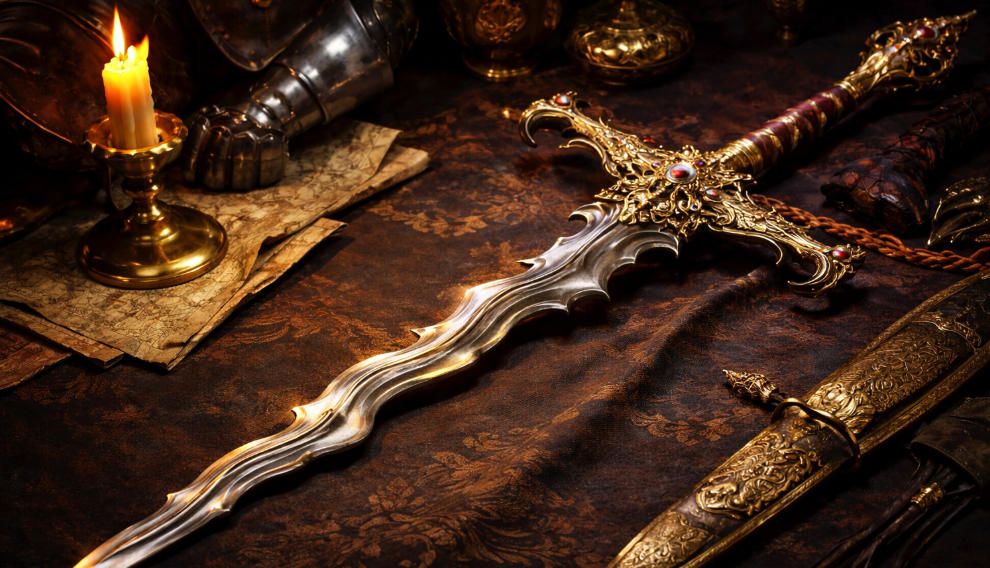
The Flamberge Rapier is one of the most visually striking weapons ever created during the Renaissance era. Combining the elegant thrusting style of the rapier sword with the dramatic flame-like curves of a wavy blade, the Flamberge Rapier became a symbol of nobility, precision swordsmanship, and intimidating combat design.
Known for its distinctive rippling blade, the Flamberge sword continues to fascinate historians, collectors, martial artists, and fantasy weapon fans alike. Whether appearing in historical fencing manuals, fantasy RPG games, or medieval weapon collections, the Flamberge Rapier stands out as one of the most recognizable swords in European history.
Today, searches for terms like 'flamberge rapier,' 'wavy sword,' 'flame blade sword,' 'renaissance rapier,' and 'European dueling swords' continue growing as more people discover the unique craftsmanship and combat style behind this legendary weapon.
What Is a Flamberge Rapier?
A Flamberge Rapier is a type of Renaissance thrusting sword featuring a distinctive wavy blade pattern. The word 'Flamberge' comes from the French term meaning 'flame-like,' referring to the blade’s flowing curves that resemble flickering fire.
Unlike the massive two-handed Flamberge greatswords used on battlefields, the Flamberge Rapier was designed primarily for:
- Civilian duels
- Self-defense
- Noble swordsmanship
- Courtly fashion
- Precision thrusting combat
The weapon combined the slender profile of a traditional rapier sword with the intimidating appearance of a flame-shaped blade, creating a weapon that was both elegant and psychologically imposing.

Origins of the Flamberge Rapier
The Flamberge Rapier emerged during the European Renaissance, a period when swordsmanship evolved from battlefield warfare into refined civilian fencing and dueling culture.
As heavy medieval armor became less common, lighter swords optimized for speed and thrusting gained popularity among nobles and professional duelists. The rapier quickly became one of the most fashionable weapons across Spain, Italy, France, and Germany.
At the same time, swordsmiths experimented with blade designs that could improve performance while also displaying artistic craftsmanship. The wavy Flamberge blade became one of the most famous innovations of the era.
Although historians still debate whether the wave pattern provided major combat advantages, the design undoubtedly increased the weapon’s visual intimidation and prestige. Owning a Flamberge Rapier demonstrated wealth, status, and refined martial taste.
Design Features of the Flamberge Rapier
The Flamberge Rapier differed from ordinary rapiers in several important ways.
Wavy Blade Design
The most recognizable feature is the flame-like blade pattern. Unlike straight-edged swords, the blade curves repeatedly along its length, creating a dynamic and flowing appearance.
This wave pattern produced several effects:
- Increased visual intimidation
- Complex light reflections during combat
- Slight vibration changes during blade contact
- Enhanced decorative appearance
The blade often appeared almost alive while moving, especially during fast fencing exchanges.
Long Thrusting Blade
Like standard rapiers, the Flamberge Rapier featured a long and narrow blade optimized for thrusting attacks. Precision and reach were more important than brute-force cutting power.
Complex Hand Guards
Many Renaissance rapiers included elaborate swept hilts designed to protect the user’s hand during duels. These guards became increasingly decorative over time, transforming the weapon into both a combat tool and a status symbol.
Lightweight Construction
Compared to medieval knight swords or greatswords, the rapier was relatively lightweight and agile. This allowed quick directional changes, fast lunges, and refined fencing techniques.
Was the Wavy Blade Actually Effective?
One of the biggest debates surrounding the Flamberge Rapier is whether the wavy blade truly improved combat effectiveness or was mainly decorative.
Some historians believe the blade design created subtle vibrations during parries, making enemy blades more difficult to control. Others argue the waves slightly increased cutting surface area during slashes.
However, many experts agree that the primary advantages were psychological and aesthetic. During Renaissance duels, appearance mattered greatly. A fighter wielding a beautifully crafted flame-bladed rapier projected sophistication, wealth, and confidence.
The unusual shape also made the weapon highly memorable. Even today, the wavy sword design remains one of the most iconic blade styles in historical weapon collecting.
Flamberge Rapier Combat Techniques
The Flamberge Rapier relied heavily on precision fencing techniques rather than brute strength. Renaissance fencing masters emphasized timing, accuracy, and defensive control.
Common techniques included:
Precision Lunges
The long reach of the rapier allowed fighters to strike opponents while staying outside close-range danger.
Defensive Parries
The complex hilt and slender blade made defensive redirection highly effective during duels.
Fast Counterattacks
Rapier fencing focused on speed and reaction time, allowing fighters to transition quickly from defense to offense.
Psychological Pressure
The dramatic appearance of the flame blade created intimidation during formal duels and public displays.
Unlike battlefield swords designed for armored warfare, the Flamberge Rapier excelled in one-on-one encounters where precision and finesse mattered most.

Flamberge vs Standard Rapier
Although they share similar combat styles, there are several differences between a standard rapier and a Flamberge Rapier.
| Weapon | Blade Style | Main Strength | Visual Style |
|---|---|---|---|
| Standard Rapier | Straight blade | Precision thrusting | Elegant and simple |
| Flamberge Rapier | Wavy flame blade | Intimidation and style | Dramatic and artistic |
Functionally, both weapons operated similarly in dueling combat. However, the Flamberge version added a unique visual identity that made it highly desirable among wealthy nobles and collectors.
The Flamberge Sword in Popular Culture
Modern fantasy media has helped revive interest in the Flamberge Rapier and other wavy-bladed swords. Fantasy RPG games, anime, and medieval fantasy films frequently feature flame-shaped swords inspired by Renaissance weapons.
Gamers and fantasy fans especially love the dramatic appearance of the weapon because it instantly looks exotic and powerful. Searches related to:
- 'fantasy flame sword'
- 'wavy blade rapier'
- 'real flamberge sword'
- 'renaissance dueling sword'
- 'best fantasy rapiers'
continue increasing online.
Many modern game designers use the Flamberge design to visually separate elite or magical weapons from ordinary swords. The blade’s flowing shape naturally creates a more fantasy-inspired appearance while still being rooted in real historical weapon design.
Craftsmanship and Historical Value
Authentic Renaissance-era Flamberge Rapiers are now considered highly valuable collector pieces. Historical examples often feature:
- Hand-forged steel blades
- Gold or silver decorations
- Engraved guards
- Leather-wrapped hilts
- Noble family crests
Creating a perfectly balanced wavy blade required tremendous skill from Renaissance blacksmiths. Maintaining structural integrity while forging repeated curves was far more difficult than producing straight blades.
Because of this complexity, authentic historical Flamberge weapons remain admired for both their artistic beauty and technical craftsmanship.
Why the Flamberge Rapier Still Fascinates Collectors
The enduring appeal of the Flamberge Rapier comes from its rare combination of elegance, history, and dramatic design. Few weapons balance artistic beauty and combat practicality so effectively.
Collectors appreciate the sword because it represents the height of Renaissance sword culture — a period where martial skill, fashion, status, and craftsmanship merged together.
For modern audiences, the weapon also bridges history and fantasy. Its flame-like blade looks almost supernatural, helping it remain popular in modern entertainment and gaming culture.
Conclusion
The Flamberge Rapier remains one of the most elegant and visually unforgettable weapons of the Renaissance era. Combining the refined fencing style of the rapier with the dramatic curves of a flame blade, it became both a deadly dueling weapon and a symbol of noble sophistication.
Its influence continues today through historical fencing, fantasy games, medieval weapon collections, and modern sword culture. Whether admired for its historical significance, artistic craftsmanship, or intimidating appearance, the Flamberge Rapier stands as one of the most iconic wavy swords ever created.
