Legal Guide to Owning and Traveling with a Wooden Sword or Bokken 2026
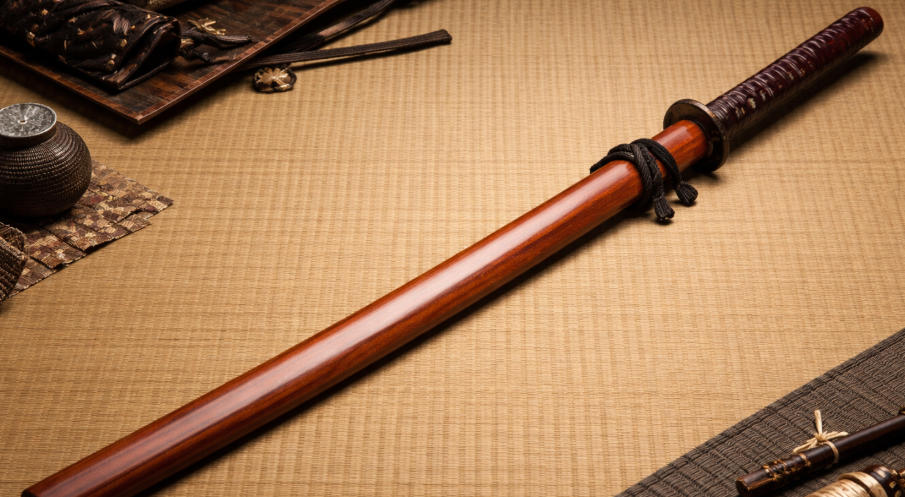
Can I Legally Own or Travel with a Wooden Sword or Bokken in 2026
The wooden sword, also known as a bokken or bokutō, is a popular training tool for martial arts like kendo and aikido and a common prop for cosplay and historical reenactments. Unlike real steel swords, a wooden sword has no sharp edge and is generally considered safer. However, many practitioners, collectors, and travelers still ask is it legal to own a wooden sword and what are the rules for carrying or transporting it for training events or travel in 2026. This complete guide breaks down global legality, ownership considerations, public carry rules, and travel tips so you can enjoy your bokken safely and legally.
I. Owning a Wooden Sword – Is It Illegal?
Short answer: owning a wooden sword is legal in most countries and regions including the United States, Canada, and Europe. Wooden swords are usually classified as sports equipment or training tools rather than weapons because they have no sharp edge and cannot cut like metal swords.
Legal Ownership Basics
In most places, you can purchase and keep a wooden training sword without special permits or licensing. Unlike sharp steel weapons, there are generally no age restrictions, though sellers may recommend adult supervision for minors.
Important Legal Consideration
Even though owning a wooden sword is legal, using it to threaten or intimidate others can lead to it being treated as a deadly or offensive weapon depending on local laws. Context and intent matter if you are questioned by law enforcement.

II. Carrying a Wooden Sword in Public
Even if ownership is legal, carrying a wooden sword in public spaces can still raise legal and safety questions.
Intent and Context Determine Legality
Law enforcement often looks at why you are carrying the sword. Carrying it as part of martial arts training or cosplay transport in a bag is usually acceptable. But openly carrying an exposed wooden sword on city streets without a clear purpose may be interpreted as disturbing public order or causing alarm.
Practical Safety Guidelines
To avoid legal trouble, keep these tips in mind:
-
Always keep the wooden sword fully sheathed or inside a sword bag when in public
-
Do not draw or swing the sword outside of a permitted training or event context
-
Treat your bokken with discretion and respect the comfort of others
These precautions are common advice among martial arts communities and help ensure compliance with local public carry norms.
III. Air Travel and Transportation Rules for Wooden Swords
One of the most common questions is whether you can take a wooden sword on a plane or other forms of travel.
Airplanes
Wooden swords are treated similarly to sports equipment when flying:
-
Carry-on luggage: generally prohibited due to resemblance to clubs or bat-like items
-
Checked luggage: usually allowed when properly packed
For smooth travel, pack your wooden sword in a hard case or protective bag labeled as sports equipment and handle it like other training gear. This minimizes hassles at check-in and avoids security issues.
Trains and Local Transit
Rules for subways and trains vary by region:
-
In the U.S. and many European cities, fully bagged bokken are typically acceptable
-
In some Asian cities, length restrictions may apply on public transport and guidelines could vary
Always check local transit policies before traveling with any sword-shaped object.

IV. Why Choose a High-Quality Wooden Sword
Since legal risks are low for bokken ownership, here are reasons why many people choose quality wooden swords:
Safe Martial Arts Training
For beginners practicing kata, paired drills, or technique development, wooden swords made from hardwood like white oak or red oak provide durability, safety, and realistic handling. They help build power and control without the risk of sharp edges.
Perfect for Cosplay and Conventions
Many conventions ban metal weapons but allow wooden swords as props when properly sheathed. Well-crafted wooden swords maintain visual accuracy for characters from anime while passing security checks at events.
Home Display and Decorative Use
Wooden swords also serve as display pieces symbolizing martial tradition. Placed on stands, they add cultural or aesthetic value to martial arts spaces and homes without the danger inherent to steel blades. Stylish wooden swords combine heritage with functionality and remain popular collectibles.
V. Responsible Use and Legal Best Practices
While ownership of bokken is widely legal, it is important to follow responsible use guidelines:
-
Store your wooden sword safely when not in use
-
Transport it in bags or cases when leaving home
-
Clarify purpose if questioned by authorities
-
Comply with local ordinances regarding public carry and transit
Understanding and following local rules ensures your training tool remains legal and appreciated as a cultural object rather than a potential weapon.
Conclusion
Owning and using a wooden sword like a bokken remains legal in most parts of the world as long as it is used responsibly for training, cosplay, collection, or performance. Knowing how to carry it in public, pack it for travel, and communicate your intent can help you avoid legal trouble and enjoy your art practice and hobby with confidence.
-
Posted in
other
