One Piece Swords Explained: Kitetsu, Enma & Zoro Blade System Guide
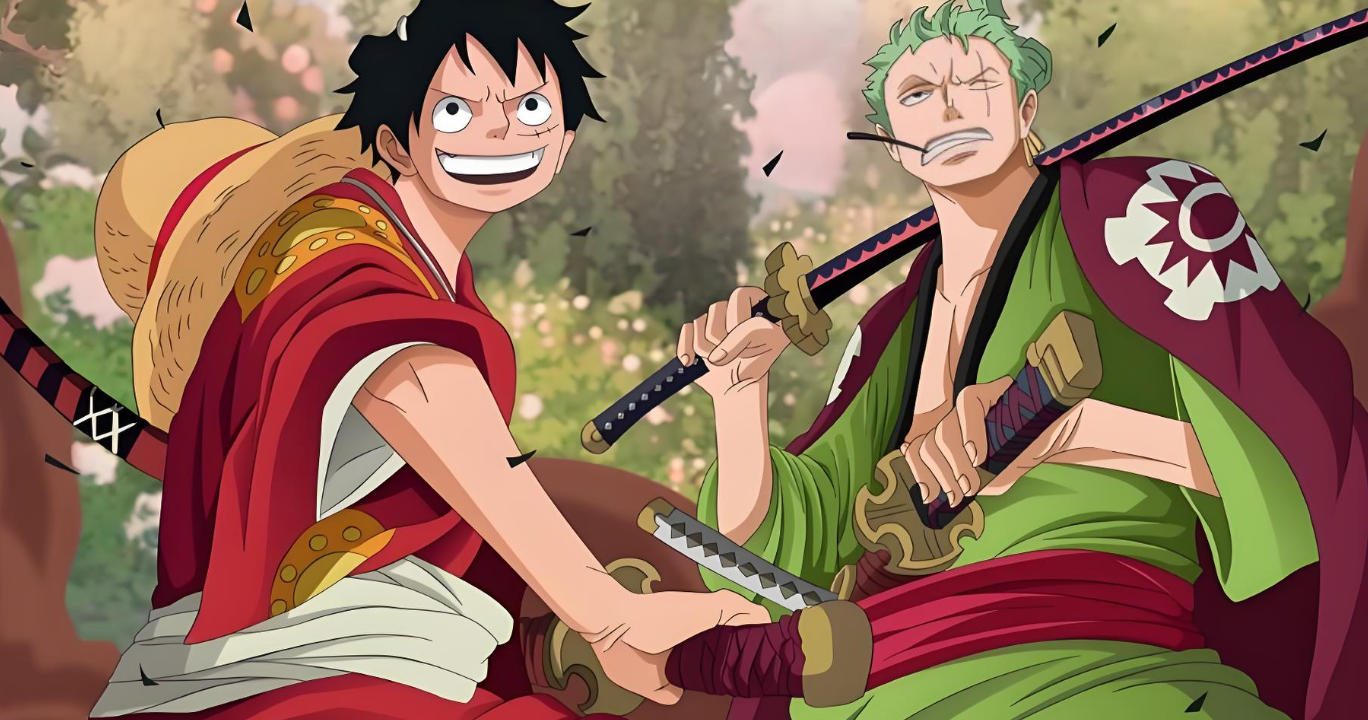
What Is the True Meaning Behind One Piece Swords Like Kitetsu and Enma?
If you’ve been following One Piece long enough, especially through Wano, there’s a good chance you’ve fallen into the same search rabbit hole as every other fan:
'Zoro swords explained One Piece', 'Enma Haki control explanation', 'Kitetsu cursed sword meaning why dangerous', 'Wado Ichimonji importance Kuina connection', 'strongest One Piece swords ranked Mihawk vs Zoro blades'.
And the deeper you go, the more obvious it becomes:
One Piece swords are not just weapons. They are systems that test, shape, and punish the user’s growth in real time.
One Piece Swords Are Not Weapons, They’re 'Willpower Engines'
In most anime, a sword is just an upgrade path.
But in One Piece, swords behave more like interactive difficulty modifiers.
That’s why searches like 'what are Meito swords One Piece explained', 'why swords have ranks in One Piece', and 'do swords choose their user One Piece theory' are everywhere.
Swords are categorized into Meito grades, but the real mechanic is not just rarity—it’s compatibility with the user’s Haki control, mental stability, and fighting intent.
So instead of:
sword = damage increase
It becomes:
sword = skill check + emotional pressure + power amplification system
And Zoro is basically the only character constantly running this system at max difficulty.

Kitetsu: The 'Cursed Sword' That Tests Your Control, Not Your Luck
One of the most searched topics in the entire fandom is:
'Kitetsu cursed sword explained One Piece', 'why Sandai Kitetsu didn’t kill Zoro', 'Zoro cursed sword luck test Loguetown meaning'
Here’s the player breakdown:
Kitetsu swords are not random cursed items. They are instability tests disguised as blades.
What they actually do:
- amplify reckless behavior in weak users
- punish lack of control
- reward users with strong mental discipline
That Loguetown scene where Zoro casually accepts Sandai Kitetsu is basically a hidden “stat check passed” moment.
So when fans search 'Kitetsu curse explanation real meaning', the answer is simple:
The sword doesn’t kill you.
Your lack of control does.
Wado Ichimonji: The 'Core Build Weapon' of Zoro
If Kitetsu is chaos testing, then Wado Ichimonji is pure stability.
That’s why searches like:
'Wado Ichimonji meaning explained One Piece', 'Zoro Kuina sword connection why important', 'why Wado Ichimonji is Zoro’s main sword'
keep trending.
Wado Ichimonji is:
- a Great Grade sword
- tied directly to Kuina’s legacy
- Zoro’s emotional anchor weapon
In gameplay terms, this is Zoro’s:
consistency weapon + precision stat stabilizer + mental focus core
Even when Zoro changes other swords, Wado Ichimonji remains constant because it represents his original 'promise build.'
One Piece Roronoa Zoro Wado Ichimonji Katana Sword – Hand Forged 1095 High Carbon Steel, Clay Tempered

Enma: The Most Broken Training Weapon in Wano Arc
Now we hit the most searched modern keyword cluster:
'Enma explained One Piece Haki drain', 'why Enma is dangerous Zoro Wano arc', 'how Zoro controls Enma power', 'Enma vs Shusui difference explained'
Enma is not a normal sword upgrade.
It is a forced output system.
Mechanically:
- It pulls excessive Haki from the user
- It ignores the user’s intended control limit
- It forces maximum output whether you want it or not
That’s why Zoro struggles so much at first.
In player logic:
Enma = weapon that forcibly increases your DPS ceiling but punishes poor control timing
This is also why replacing Shusui with Enma is such a big deal—it’s not a swap, it’s a difficulty spike.
Handmade Enma Katana Sword – One Piece Roronoa Zoro Replica, 1095 High Carbon Steel Purple Blade

Zoro’s Three Sword Style Is Actually a 'Build Triangle'
A lot of fans search:
'Zoro three sword style explained One Piece', 'best Zoro sword combination Enma Wado Kitetsu', 'why Zoro uses three swords theory meaning'
Because his kit isn’t random—it’s structured like a balanced system:
- Wado Ichimonji → stability + precision + emotional anchor
- Sandai Kitetsu → unpredictability + risk pressure + chaos element
- Enma → forced Haki output + growth acceleration
So Zoro isn’t just “strong because he has swords.”
He’s strong because his swords represent:
control + instability + forced evolution
That’s basically a full RPG build with conflicting stats that somehow synergize.
Why One Piece Swords Feel Like They 'Push Back' Against the User
One of the biggest search trends in fandom theory is:
'do swords have will One Piece explained', 'why Enma drains Haki intentionally', 'Kitetsu sword spirit theory One Piece'
And even though swords aren’t fully sentient like some anime weapons, they behave like systems with resistance.
They:
- test your mental state
- punish sloppy execution
- reward mastery under pressure
So instead of being passive tools, they function more like:
active difficulty modifiers attached to combat identity
That’s why characters don’t just 'get stronger swords'—they either adapt or fail.
Why Zoro’s Sword Progression Feels Like Character Development, Not Gear Upgrade
If you track searches like:
'Zoro swords evolution timeline explained', 'Shusui vs Enma difference why Zoro changed sword', 'strongest Zoro swords ranking One Piece'
you’ll notice something interesting:
Every sword Zoro uses corresponds to a phase of his growth:
- Early swords → survival + raw strength phase
- Wano transition → identity refinement phase
- Enma era → peak control under pressure phase
So his swords are basically:
checkpoints in his character progression system
Not upgrades. Milestones.
Final Player Take: One Piece Swords Are Difficulty Systems, Not Just Weapons
If you strip everything down, Kitetsu, Wado Ichimonji, and Enma are not just blades.
They are:
- control tests
- emotional anchors
- forced growth systems
- identity pressure tools
That’s why searches like 'One Piece swords meaning explained full guide', 'Zoro Enma vs Kitetsu vs Wado Ichimonji analysis', 'strongest cursed sword One Piece theory' keep growing.
Because every sword in One Piece is asking the same thing:
Can you control power without losing yourself to it?
And Zoro’s entire journey is just him answering that question at higher and higher difficulty levels.
-
Posted in
One Piece
