Oni Meaning Explained: Japanese Demon Mythology, Blue Oni & Legends
What Does Oni Mean in Japanese Culture? The Truth Behind Blue Oni, Demon Legends and Mythology
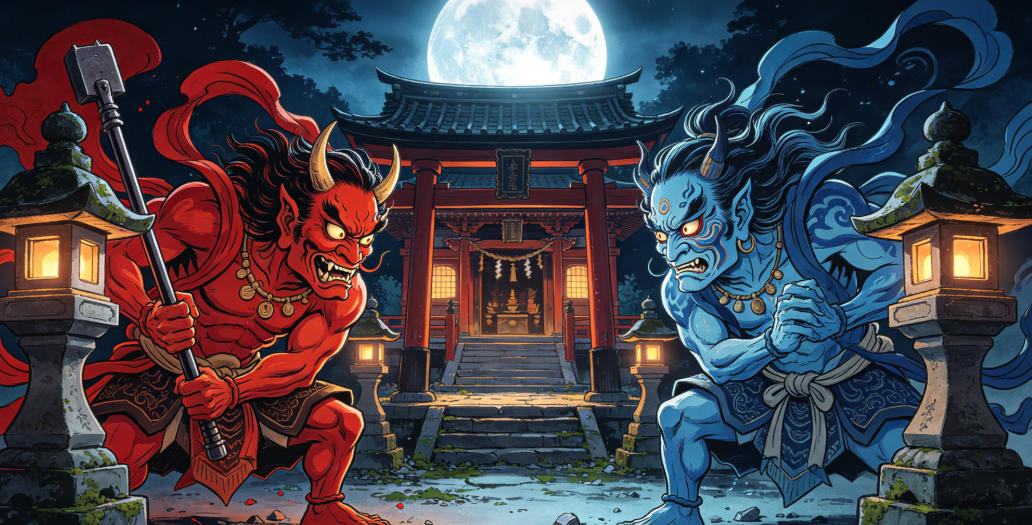
When people hear the word Oni (鬼), many imagine a terrifying Japanese demon with horns, sharp teeth, red or blue skin, wild hair, and a huge iron club. These powerful supernatural creatures have become famous worldwide through Japanese mythology, anime, manga, video games, and traditional folklore.
However, the true meaning of Oni in Japanese culture is much deeper than simply “demon” or “monster.” Throughout Japanese history, Oni have represented fear, punishment, supernatural power, protection, and even compassion. Some Oni are portrayed as evil creatures that harm humans, while others appear as guardians or misunderstood spirits.
So, what does Oni mean in Japanese mythology? Why are blue Oni different from red Oni? And why does this ancient Japanese demon continue to influence modern culture today?
This complete guide explores the Oni demon meaning, Japanese Oni legends, blue Oni symbolism, Oni masks, and the role of Oni in Japanese folklore and popular culture.
What Does Oni Mean in Japanese Culture?
The Japanese word Oni (鬼, おに) is commonly translated as demon, ogre, or evil spirit, but these translations do not fully explain its cultural meaning.
In Japanese folklore, an Oni is a type of Yokai (妖怪) — a supernatural being that exists between the human world and the spiritual world. Unlike Western demons that are usually viewed as purely evil, Japanese Oni often have complex personalities and roles.
Historically, Oni were believed to be invisible spirits that brought disasters, illness, and misfortune. Over time, influenced by Buddhism and Japanese folk beliefs, Oni developed into the familiar image of a large horned creature with incredible strength.
The traditional appearance of an Oni usually includes:
-
Two horns growing from the head
-
Bright red, blue, black, or green skin
-
Sharp fangs and fierce facial expressions
-
Wild hair
-
Tiger-skin clothing
-
A powerful iron club called Kanabo (金棒)
The famous Japanese expression 'Oni ni Kanabo' (鬼に金棒) literally means 'an Oni with an iron club.' It describes someone who becomes even stronger after gaining an advantage.

The Origin of Japanese Oni: From Spirits to Demons
The origin of Oni is connected to ancient Japanese beliefs about spirits, death, and supernatural forces.
The kanji character 鬼 originally represented a spirit or ghost. Over centuries, Japanese mythology combined native spiritual beliefs with influences from Buddhism, creating the image of Oni as powerful beings connected with the afterlife and punishment.
In Buddhist traditions, some Oni became known as servants of hell who punished wrongdoers. They were often portrayed as terrifying guardians of the underworld, carrying weapons and enforcing justice.
However, Japanese folklore does not always describe Oni as completely evil. Some stories show Oni as protectors, mountain spirits, or beings capable of kindness and sacrifice.
This dual nature is one of the reasons why Japanese Oni mythology remains fascinating today.
Blue Oni Meaning: What Does Ao-Oni Represent?
Among all Oni legends, the Blue Oni (Ao-Oni 青鬼) is one of the most interesting and mysterious figures.
Many people search for 'blue Oni meaning' because blue Oni have a different symbolism compared with the aggressive red Oni.
In Japanese folklore, blue Oni are often associated with:
-
Intelligence and strategy
-
Cold emotions
-
Inner conflict
-
Loyalty and sacrifice
-
Hidden strength
The blue color represents a calmer but more complex type of power. Unlike the red Oni, which is often connected with passion and anger, the blue Oni is frequently portrayed as thoughtful, patient, and emotionally controlled.
One of the most famous stories featuring a blue Oni is 'Naita Aka-Oni' (The Red Oni Who Cried).
In this legend, a red Oni wishes to become friends with humans. His blue Oni friend creates a plan to help him gain human acceptance, even though it means being misunderstood and leaving him behind.
The story transforms the image of the blue Oni from a frightening monster into a symbol of friendship, sacrifice, and loyalty.
Red Oni vs Blue Oni: What Is the Difference?
The contrast between Red Oni and Blue Oni is one of the most popular themes in Japanese folklore.
Red Oni (Aka-Oni)
The Red Oni is usually associated with:
-
Physical strength
-
Passion and aggression
-
Powerful emotions
-
Courage and action
Red Oni are often shown as fierce warriors with unstoppable energy.
Blue Oni (Ao-Oni)
The Blue Oni represents:
-
Wisdom
-
Self-control
-
Strategy
-
Sacrifice
-
Emotional depth
While the Red Oni acts through strength, the Blue Oni often represents a quieter and more thoughtful form of power.
This contrast explains why many modern artists, tattoo designers, anime creators, and sword makers use both red and blue Oni imagery to represent different personalities and fighting styles.
Oni Masks Meaning: Why Are Japanese Oni Symbols So Popular?
The image of the Japanese Oni mask (鬼面) is one of the most recognizable symbols in Japanese culture. With sharp teeth, large horns, angry eyes, and powerful expressions, Oni masks are often seen in traditional festivals, tattoos, samurai decorations, theater performances, and modern anime designs.
But the meaning behind an Oni mask is more complicated than simply representing a “Japanese demon.”
In Japanese tradition, Oni masks can symbolize:
-
Protection against evil spirits
-
Strength and courage
-
The defeat of negative emotions
-
Power and determination
-
The balance between good and evil
Many people today search for 'Oni mask meaning' because these designs have become popular worldwide, especially among fans of Japanese mythology, samurai culture, anime, and Japanese tattoo art.
Rather than only representing fear, Oni masks often remind people to confront their own inner demons and overcome challenges.
Famous Japanese Oni Legends and Stories
Japanese folklore contains many famous stories about Oni. These legends have shaped how people understand Japanese demons and supernatural creatures today.
Shuten Doji: The Most Famous Japanese Oni
One of the most legendary Oni in Japanese mythology is Shuten Doji (酒呑童子).
According to folklore, Shuten Doji was an incredibly powerful Oni leader who lived on Mount Oe. He was described as a fearsome creature with extraordinary strength and was known as one of the greatest Oni in Japanese legends.
The hero who defeated him was Minamoto no Yorimitsu (源頼光), a famous warrior from Japanese history and legend. He used a group of warriors and a legendary Japanese sword to defeat Shuten Doji.
This story became one of the most famous examples of a hero defeating a Japanese demon and has influenced countless works of Japanese art, literature, anime, and games.

Oni in Demon Slayer: How Anime Changed the Image of Japanese Demons
Modern anime has introduced Oni mythology to millions of fans worldwide.
The most famous example is Demon Slayer: Kimetsu no Yaiba, where Oni are portrayed as powerful supernatural beings with unique abilities.
In Demon Slayer, Oni are not exactly the same as traditional Japanese folklore Oni, but the series borrows many classic elements:
-
Supernatural strength
-
Human transformation
-
Immortal bodies
-
Demon hierarchy
-
Connections between humans and monsters
The popularity of Demon Slayer Oni characters has increased global interest in Japanese demon mythology, Oni masks, and traditional Japanese weapons.
Many fans now search for:
-
Demon Slayer Oni meaning
-
Japanese demon mythology explained
-
Oni mask Demon Slayer style
-
Japanese sword and Oni symbolism
The connection between Oni and Japanese swords is especially strong because legendary warriors in Japanese folklore often fought supernatural enemies using powerful blades.
Are Oni Always Evil? The Hidden Meaning Behind Japanese Demons
A common misunderstanding is that all Oni are evil monsters.
However, Japanese mythology often presents supernatural beings with complex personalities. Oni can represent both destruction and protection depending on the story.
Some Oni symbolize:
-
Human greed
-
Anger and hatred
-
Punishment for wrongdoing
-
Natural disasters and fear
But others represent:
-
Strength
-
Protection
-
Justice
-
Sacrifice
This dual meaning is one reason why Oni remain popular in Japanese culture. They are not simply villains — they represent the struggles that exist inside every person.
An Oni can represent the darkness people fear, but also the strength needed to overcome that darkness.
Oni and Japanese Samurai Culture
The connection between Oni and samurai culture is another reason these creatures remain popular.
Samurai warriors often used intimidating designs on their armor, helmets, and weapons to display power and frighten enemies. Oni imagery was especially popular because it represented:
-
Fearlessness
-
Warrior spirit
-
Protection from danger
-
Unbreakable strength
Many traditional samurai helmets (Kabuto) featured Oni-inspired decorations, including horns, fierce faces, and demon-like designs.
The famous Oni image also appears frequently in:
-
Japanese armor collections
-
Katana designs
-
Tsuba sword guards
-
Samurai tattoos
-
Traditional artwork
For collectors of Japanese swords and samurai weapons, Oni symbols represent the warrior mindset of courage and determination.
Conclusion: The True Meaning of Oni in Japanese Mythology
So, what does Oni mean in Japanese culture?
The answer is much deeper than “Japanese demon.”
Oni are powerful symbols representing fear, strength, punishment, protection, and transformation. The terrifying horned creatures from Japanese folklore have become important cultural icons that appear in festivals, samurai traditions, anime, and modern art.
Whether it is a red Oni representing passion and power, a blue Oni symbolizing wisdom and sacrifice, or an Oni mask protecting against evil spirits, these legendary beings continue to capture people's imagination around the world.
Understanding Oni means understanding a unique part of Japanese mythology — where monsters are not only enemies, but also reflections of human emotions, struggles, and inner strength.
