Red Hannya Mask Meaning: Japanese Demon Mask History & Symbolism
What Does a Red Hannya Mask Mean? The History, Symbolism and Japanese Demon Mask Origins
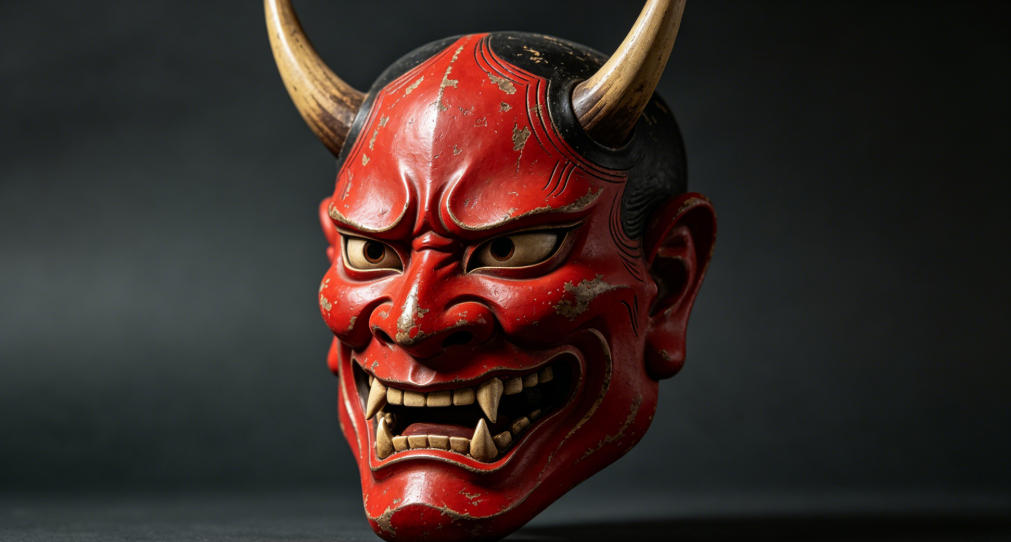
The Red Hannya Mask is one of the most recognizable symbols in Japanese culture. With its sharp horns, metallic eyes, terrifying fangs, and angry expression, the Japanese Hannya mask has become famous around the world through traditional theater, tattoos, anime, samurai culture, and Japanese art.
Many people associate the Hannya mask with a Japanese demon mask, but its true meaning is much deeper. Unlike a simple monster or evil spirit, the Hannya represents the transformation of human emotions — especially jealousy, obsession, heartbreak, and uncontrolled passion.
So, what does a red Hannya mask mean in Japanese culture? Why does this famous Japanese demon mask look both terrifying and sorrowful? And what is the difference between a Hannya mask and an Oni mask?
This complete guide explores the Red Hannya Mask meaning, Japanese folklore, Noh theater history, tattoo symbolism, and the hidden emotions behind this legendary mask.
What Is a Hannya Mask in Japanese Culture?
The Hannya mask is a traditional Japanese mask used in Noh theater, one of Japan’s oldest performing arts. It represents a woman who has transformed into a demon because of overwhelming negative emotions such as jealousy, anger, and resentment.
Unlike the Oni mask, which represents a supernatural ogre or demon-like creature, the Hannya mask tells the story of a human being who becomes a monster because of emotional suffering.
The most recognizable features of a Hannya mask include:
-
Two sharp curved horns
-
Golden metallic eyes
-
Long pointed fangs
-
A wide open mouth
-
A painful and angry expression
-
A mixture of rage and sadness
The unique design creates a powerful contrast: the mask looks frightening, but it also expresses deep sorrow and suffering.
This emotional complexity is what makes the Japanese Hannya mask meaning so fascinating.

What Does a Red Hannya Mask Mean?
The Red Hannya Mask meaning is connected with intense emotions, passion, anger, and the final stage of transformation into a demon.
In Japanese traditional art, different Hannya mask colors represent different levels of emotional change.
A red Hannya mask often symbolizes:
-
Extreme jealousy
-
Powerful anger
-
Emotional suffering
-
Desire and obsession
-
A loss of control caused by love or betrayal
The red color represents a stronger and more aggressive emotional state compared with lighter Hannya masks.
Many collectors and tattoo enthusiasts search for 'red Hannya mask meaning' because this design represents the struggle between human emotions and inner darkness.
It does not simply represent evil. Instead, it shows what can happen when powerful emotions overwhelm the human heart.
Red Hannya Mask History: Origins in Japanese Noh Theater
The history of the Hannya mask is closely connected with Japanese Noh theater, which developed during the 14th century.
In Noh performances, masks are not just decorations. They are used to transform actors into different characters, including spirits, gods, demons, and supernatural beings.
The Hannya mask became one of the most famous Noh masks because it could express two opposite emotions at the same time:
-
Anger and hatred
-
Pain and sadness
When viewed directly, the mask appears terrifying because of its sharp horns, glaring eyes, and exposed teeth.
However, when the actor slightly lowers the mask, the expression changes. The face appears sorrowful, almost as if the demon is crying.
This unique visual effect reflects an important idea in Japanese storytelling: even monsters may contain human emotions and suffering.
Why Is Hannya Considered a Japanese Demon Mask?
Many people call the Hannya a Japanese demon mask, but the meaning is different from Western ideas of demons.
In Japanese folklore, a Hannya is not simply an evil creature born as a monster. Instead, it represents a person whose emotions have transformed them.
The story behind Hannya often involves:
-
Unreturned love
-
Betrayal
-
Jealousy
-
Revenge
-
Emotional pain
The transformation shows the destructive power of obsession.
This is why the Hannya mask is often described as both frightening and tragic. It is not only a symbol of evil but also a warning about uncontrolled emotions.
Hannya Mask vs Oni Mask: What Is the Difference?
One of the most common questions about Japanese masks is:
'Is a Hannya mask the same as an Oni mask?'
The answer is no.
Although both appear as frightening Japanese demon figures, they represent different ideas.
Hannya Mask
The Hannya represents:
-
A woman transformed into a demon
-
Jealousy and heartbreak
-
Emotional suffering
-
Human weakness
-
Tragic transformation
Oni Mask
The Oni represents:
-
A supernatural creature from Japanese mythology
-
Strength and power
-
Protection and punishment
-
A legendary demon or ogre
The Oni usually has a larger body, horns, wild hair, and an iron club called Kanabo.
The Hannya is more focused on psychology and emotion, while the Oni represents supernatural strength and fear.
Hannya Mask Tattoo Meaning: Why Is the Red Hannya Mask Popular in Japanese Art?
The Red Hannya Mask has become one of the most popular symbols in Japanese tattoo culture, traditional artwork, and modern fantasy design. Its terrifying appearance — sharp horns, glowing eyes, and fierce fangs — makes it instantly recognizable as a powerful Japanese demon mask.
However, the meaning behind a Hannya mask tattoo is much deeper than simply representing a demon.
In Japanese culture, the Hannya symbolizes the transformation of human emotions into something powerful and uncontrollable. It represents jealousy, heartbreak, anger, passion, and the struggle between human feelings and inner darkness.
Today, many people search for 'red Hannya mask tattoo meaning' because this design represents personal experiences such as overcoming pain, controlling emotions, and transforming weakness into strength.
Unlike ordinary monster symbols, the Hannya is not only about fear. It is a reminder that even the darkest emotions are part of the human experience.
What Does a Red Hannya Mask Symbolize?
The red Hannya mask meaning is closely connected with powerful emotions and spiritual transformation.
In traditional Japanese theater and art, the red color represents a more intense stage of emotional suffering. A red Hannya often symbolizes:
-
Extreme jealousy
-
Passion and desire
-
Anger caused by betrayal
-
Emotional pain
-
Revenge and resentment
-
Inner struggles
The red Hannya is usually considered stronger and more aggressive than lighter-colored Hannya masks.
However, it does not simply represent evil. Instead, it shows what happens when emotions become overwhelming and a person loses control of their feelings.
This symbolic meaning is why the Japanese red Hannya mask is frequently used in tattoos, paintings, sword decorations, and warrior-inspired artwork.

Red Hannya Mask Tattoo Meaning in Japanese Culture
The Hannya mask tattoo is one of the most famous Japanese tattoo designs worldwide.
Traditional Japanese tattoo art, known as Irezumi (入れ墨), often uses powerful symbols that tell personal stories. The Hannya mask is popular because it combines beauty, fear, and emotional depth.
A red Hannya tattoo may represent:
Overcoming Emotional Pain
Many people choose the Hannya design because it represents surviving difficult experiences, heartbreak, or personal struggles.
The mask reminds the wearer that painful emotions can be transformed into strength.
Protection Against Evil
Although the Hannya looks frightening, it can also be viewed as a protective symbol.
In Japanese tradition, powerful and scary figures are sometimes used to scare away negative forces. The fierce appearance of the Hannya can symbolize protection from bad luck and harmful spirits.
Balance Between Light and Darkness
The Hannya represents the idea that humans contain both positive and negative emotions.
The mask is not only a symbol of anger but also sadness, love, and vulnerability.
This emotional complexity makes the Hannya one of the most meaningful Japanese tattoo symbols.
Hannya Mask Colors and Their Different Meanings
Although the red Hannya mask is the most famous, traditional Hannya masks appear in different colors, each showing a different emotional state.
White Hannya Mask
The white Hannya is often associated with a more refined or noble character.
It represents a woman who still maintains some connection with her former human identity.
Red Hannya Mask
The red Hannya represents stronger emotions:
-
Rage
-
Jealousy
-
Passion
-
Emotional suffering
It is the most popular version in modern art and tattoo culture.
Black Hannya Mask
The black Hannya represents the darkest stage of transformation.
It symbolizes deep hatred, revenge, and complete surrender to negative emotions.
The different colors show the emotional journey from human suffering to supernatural transformation.
Hannya Mask Meaning in Anime and Popular Culture
The popularity of Japanese anime, manga, and video games has introduced the Hannya mask meaning to a worldwide audience.
Modern creators often use Hannya imagery to represent:
-
Powerful warriors
-
Dark emotions
-
Hidden identities
-
Revenge stories
-
Characters fighting inner conflicts
Anime fans often search for:
-
Hannya mask Demon Slayer meaning
-
Japanese demon mask anime symbolism
-
Hannya Oni mask difference
-
Japanese folklore creatures explained
Although anime interpretations may change the original meaning, they continue to introduce audiences to traditional Japanese mythology and art.
The Hannya’s combination of beauty and terror makes it especially suitable for fantasy characters, villains, warriors, and supernatural designs.
Is Hannya the Same as an Oni?
A common question is:
'Is a Hannya mask an Oni mask?'
The answer is no.
Although both are famous Japanese demon masks, they have different origins and meanings.
Hannya Mask
The Hannya represents:
-
A woman transformed into a demon
-
Jealousy and emotional suffering
-
Inner conflict
-
Human emotions becoming destructive
Oni Mask
The Oni represents:
-
A supernatural Japanese demon
-
Strength and physical power
-
Punishment and protection
-
Mythological creatures from folklore
The biggest difference is that Hannya comes from human emotion, while Oni represents a supernatural being.
Conclusion: The True Meaning of the Red Hannya Mask
So, what does a red Hannya mask mean?
The answer is more complex than “a Japanese demon.”
The Red Hannya Mask represents jealousy, passion, anger, suffering, transformation, and emotional strength. Its frightening appearance hides a deeper message about human nature.
Whether seen in Japanese Noh theater, tattoo art, samurai culture, anime, or traditional crafts, the Hannya remains one of Japan’s most powerful cultural symbols.
It reminds us that behind every demon-like appearance, there may be a story of pain, struggle, and the search for inner balance.
