Sai Weapon Guide History Design Techniques of Okinawan Trident
How to Master the Sai Weapon Techniques History and Okinawan Trident Design
The sai weapon is one of the most iconic and distinctive traditional martial arts weapons, known for its unique trident structure and deep roots in Okinawan Kobudo. This classic short staff developed into a versatile defensive and offensive tool that has fascinated martial artists, historians, and collectors for centuries. In this comprehensive 2026 guide, we explain what a sai is, its historical background, detailed design features, common combat techniques, and why sai training remains popular in modern martial arts and cultural media.
Origins and Historical Background of the Sai
The sai originated in the Okinawan islands where strict historical weapon bans prevented common people from legally owning swords or other sharp weapons. Rather than functioning solely as a weapon of war, the sai evolved from tools used for everyday life and self‑defense before becoming an essential part of traditional Okinawan weapon systems.
Historians believe the basic concept of the sai may have been influenced by trident‑like tools and weapons from China, Southeast Asia, India, and the East Indies, but it uniquely flourished within the cultural and martial context of Okinawa where it became a hallmark of Kobudo weapon training.
Originally used by Okinawan police and guards, the sai’s transition into formal martial arts came with the development of structured kobudo forms and combat instruction, strengthening its role as both a training implement and a practical weapon.

Design Structure and Key Features
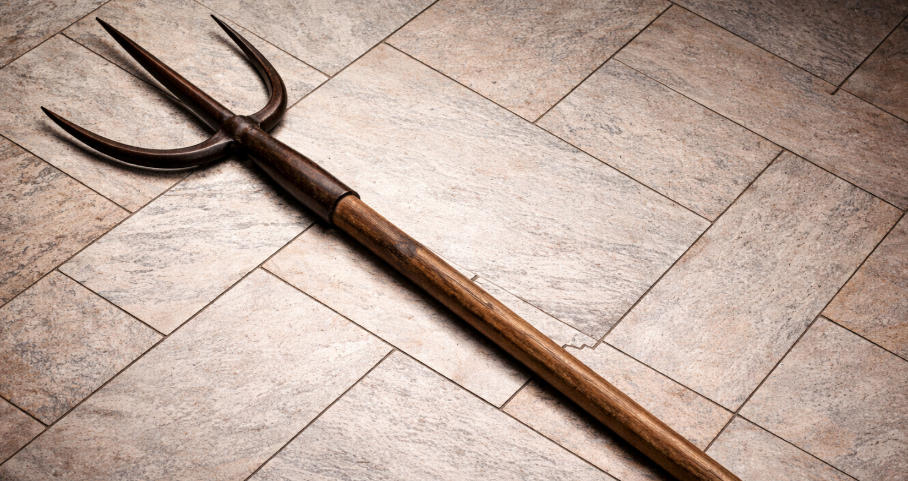
The sai is recognized by its trident‑style structure, a design that balances offensive capability with defensive versatility. Its main components include:
Central Shaft (Monouchi)
A straight main prong used for thrusting, pushing, and striking in close combat.
Side Prongs (Yoku)
Two shorter curved arms that extend from the base of the central shaft to trap, block, or deflect an opponent’s weapon.
Handle (Tsuka)
The grip area, often wrapped in cord or leather for stability and control.
Blunt Tips and Pommel (Tsuka‑gashira)
The blunt tips and weighted handle end can be used for striking or auxiliary defense.
This trident design allows the sai to function as a multi‑purpose weapon that can block, trap, control, and counterattack with quick, coordinated movements.
Sai Training and Combat Techniques Explained
In Okinawan Kobudo, training with sai emphasizes both technical skill and physical conditioning. These techniques form the foundation of modern sai practice.
Dual‑Wielding and Grip Work
Sai are typically used in pairs. Practitioners learn to switch grips effortlessly between:
-
Forward grip for thrusts and offensive strikes
-
Reverse grip for defensive blocks and control moves
-
Synchronized dual control for coordinated offense and defense
Mastering these grip transitions builds coordination and improves reaction speed in real combat scenarios.
Trapping and Counter Techniques
The side prongs of the sai are essential for grappling and weapon control. Skilled users can:
-
Trap and immobilize an opponent’s blade or limb
-
Disarm or disrupt balance before delivering a counterattack
-
Leverage joint manipulation to neutralize threats quickly
These trapping and counter techniques form the core skills every advanced sai practitioner must master.

Sai in Okinawan Martial Arts and Modern Culture
In Okinawan tradition, the sai symbolizes ingenuity and resourcefulness during times when conventional weapons were restricted. Beyond its practical combat applications, the sai became an emblem of defense and martial skill, celebrated in dojos, competitive martial arts, and global cultural media.
Today, sai training is integrated into martial arts schools worldwide, not only as a combat tool but also as a conditioning device that strengthens wrists, improves coordination, and enhances tactical awareness.
Sai replicas and training versions are highly sought after by collectors and practitioners who seek authentic martial arts tools or decorative pieces that honor traditional craftsmanship and weapon heritage.
Physical and Skill Benefits of Sai Practice
Training with the sai offers a range of physical and mental benefits:
-
Improved wrist and forearm strength through controlled trapping and gripping exercises
-
Enhanced reaction time and coordination from dynamic transitions
-
Tactical judgment and spatial awareness from defensive and offensive combinations
-
Refined focus and discipline as part of structured martial arts training
These benefits make sai practice valuable not only for weapon mastery but also for overall martial arts development.
Conclusion: Legacy of the Okinawan Sai
The sai remains a timeless icon of martial arts history, blending ancient utility with combat effectiveness and artistic elegance. Its unique design and versatile techniques have ensured its place not just in Okinawan Kobudo, but in the global martial arts community. Whether studied for historical interest, weapon proficiency, or physical training, the sai continues to inspire practitioners and collectors around the world.
-
Posted in
other
