Sai Weapon Guide:History, Design, & Techniques of the Okinawan Trident
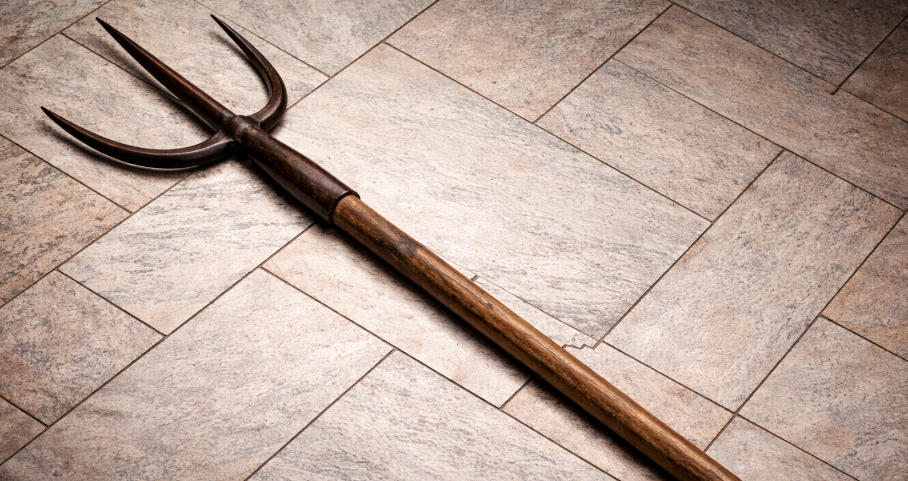
What Is a Sai Weapon and How Is It Used in Okinawan Martial Arts?
The Sai weapon is a traditional martial arts tool that has fascinated practitioners, historians, and weapon enthusiasts for centuries. Originating in Okinawa, Japan, the Okinawan trident is not only a defensive weapon but also a symbol of martial arts mastery and discipline. Used extensively in Okinawan martial arts such as Kobudo and Karate, the Sai offers a unique blend of versatility, precision, and cultural heritage that continues to captivate collectors and martial arts practitioners worldwide.
Origins and History of the Sai
The history of the Sai weapon is closely tied to the development of Okinawan martial arts. Traditionally, it was believed that the Sai evolved from farming tools, designed to trap and disarm opponents during conflicts. Over time, martial artists refined the weapon into a precise fighting tool, incorporating it into Kobudo training and self-defense techniques. The Okinawan trident became especially popular during the 17th and 18th centuries, when martial arts flourished under strict weapon restrictions, prompting the development of non-bladed weapons for defense.

Design and Anatomy of the Sai
A standard Sai consists of three prongs: a central pointed blade flanked by two shorter side prongs. The design allows for both offensive strikes and defensive maneuvers. Key components include:
- Central Blade (Monouchi): The main striking element for thrusts and blocks.
- Side Prongs (Yoku): Used for trapping or breaking an opponent’s weapon.
- Handle (Tsuka): Ergonomically designed for grip, speed, and control.
- Pommel (Tsukagashira): Can deliver striking blows or maintain balance during advanced techniques.
This trident-style weapon provides unmatched versatility, allowing martial artists to combine blocking, striking, and trapping techniques seamlessly.
Techniques and Martial Arts Applications
Mastering the Sai weapon requires strength, coordination, and precise technique. Common uses in Okinawan martial arts include:
- Blocking and Parrying: The Sai can intercept or deflect strikes from swords, sticks, or other weapons.
- Thrusting and Striking: The pointed central blade allows for rapid thrusts and jabs in combat.
- Trapping and Disarming: The side prongs are ideal for controlling an opponent’s weapon or limb.
- Dual Sai Training: Advanced practitioners often wield two Sai simultaneously, performing complex offensive and defensive patterns.
Training with Sai not only improves combat readiness but also develops hand-eye coordination, timing, and overall agility, making it a staple in traditional martial arts schools.
Cultural Significance and Modern Practice
The Sai weapon is more than a fighting tool; it holds significant cultural value in Okinawan martial arts. Often showcased in Kobudo demonstrations and martial arts competitions, the Sai symbolizes discipline, precision, and the rich history of Okinawan self-defense weapons. In modern times, the Sai has also gained popularity among collectors and martial arts enthusiasts, with replicas available for training and display purposes.

Collecting and Training with Sai
Collectors and martial arts practitioners alike value Sai weapons for their craftsmanship, historical significance, and functionality. When training with or collecting Sai, it is important to consider:
- Material Quality: Traditional Sai are often made of high-grade steel for durability and balance.
- Ergonomics: Proper grip and weight distribution are crucial for effective training.
- Legal Restrictions: While mostly legal, some regions regulate carrying martial arts weapons, so checking local laws is advised.
Using practice Sai for training ensures safety while maintaining the traditional techniques and discipline of Okinawan martial arts.
Sai Weapons in Self-Defense and Martial Arts Performance
Beyond historical and traditional practice, the Sai weapon is often incorporated into modern martial arts demonstrations and self-defense training. Practitioners use Sai techniques to improve hand speed, coordination, and precision. While primarily a martial arts tool, understanding proper Sai handling can also enhance situational awareness and defensive strategy, making it a valuable component of Okinawan self-defense training.
Buying, Collecting, and Preserving Sai
For collectors and enthusiasts, acquiring a Sai weapon requires attention to both quality and legality. High-grade steel Sai with well-crafted handles are prized for training and display. When purchasing, it’s important to ensure compliance with local regulations regarding martial arts weapons. Proper storage and maintenance, including regular cleaning and checking for wear, preserve the Sai’s functionality and historical value, ensuring it remains a treasured piece of Okinawan martial arts heritage.
Conclusion
The Sai weapon remains one of the most iconic tools in Okinawan martial arts, combining historical significance, versatility, and artistry. Whether used for self-defense, martial arts training, or collection, mastering the Sai offers insight into centuries of martial tradition and Okinawan culture. Understanding the history, design, and techniques of the Okinawan trident helps martial artists, collectors, and enthusiasts appreciate the weapon’s enduring legacy.
