Samurai Clothing History: Battle Armor, Ceremonial Attire & Daily Wear
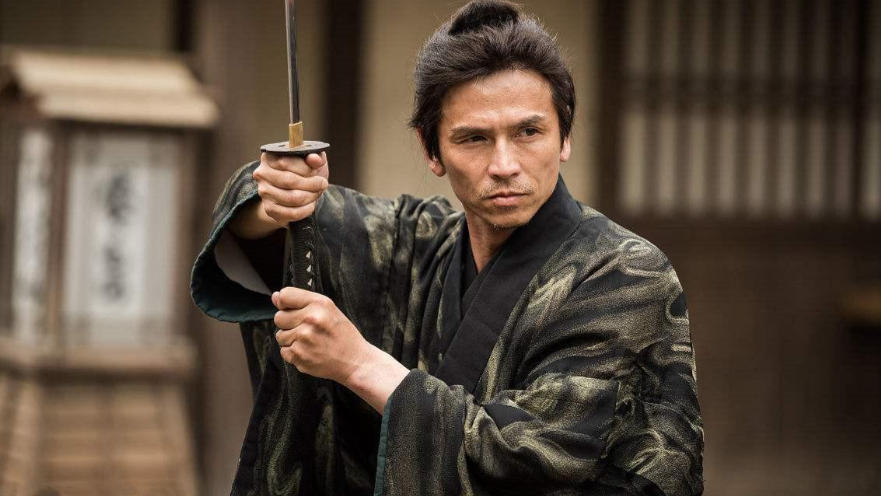
What Did Samurai Wear for Battle, Ceremonies, and Daily Life?
The samurai, Japan’s legendary warriors, are renowned not only for their combat prowess but also for their distinctive clothing that symbolized status, discipline, and honor. From the battlefield to ceremonial occasions, samurai clothing reflected both function and cultural aesthetics, offering a fascinating insight into Japan’s rich history.
The Origins of Samurai Clothing
Samurai attire evolved over centuries, influenced by social rank, regional styles, and military needs. Initially, during the Heian period (794–1185), samurai adopted traditional Japanese robes called kosode, a precursor to the modern kimono. These garments were practical for movement and layering, essential for archery and horseback combat.
By the Kamakura period (1185–1333), battle-ready clothing became more specialized. Lightweight yet durable fabrics allowed warriors to wield swords and wear armor comfortably. Clothing also conveyed rank, with noble samurai donning elaborate patterns and colors to signify their clan and social standing.

Samurai Battle Clothing
Battle attire was a combination of protective gear and mobility-focused clothing. Samurai wore kimono-like garments underneath armor, often made of silk or linen. Over this, they would add the yoroi—a traditional suit of armor made from iron, leather, and lacquered plates.
Key elements of samurai battle wear included:
- Haidate – protective thigh guards that allowed flexibility while riding or running.
- Suneate – shin guards reinforced with iron splints for defense in close combat.
- Kote – armored sleeves to protect the arms while maintaining grip on weapons.
- Kabuto – the iconic helmet, often adorned with clan crests and ornamental designs.
The clothing underneath armor was not just functional; it often included family crests (mon) and symbolic colors, reflecting loyalty, heritage, and rank. Battle-ready samurai clothing had to balance protection, agility, and ceremonial aesthetics, which made these garments a marvel of medieval Japanese design.
Ceremonial Samurai Attire
Outside the battlefield, samurai ceremonial attire focused on elegance and symbolism. The kamishimo, a formal outfit featuring wide-shouldered vests and hakama pants, was worn for official events, court appearances, or meetings with the daimyo (feudal lords).
High-ranking samurai often wore silk robes with intricate embroidery and clan symbols. Colors were carefully chosen, as samurai clothing in ceremonies conveyed wealth, honor, and social status. Accessories like sashes (obi), ceremonial swords, and lacquered sandals completed the ensemble, blending aesthetics with tradition.
The Symbolism Behind Samurai Clothing
Every element of samurai clothing carried meaning. Armor designs could intimidate enemies, while ceremonial robes reinforced social hierarchy. Even fabric patterns often had hidden symbols: cherry blossoms for fleeting beauty, dragons for strength, and waves for resilience.
Samurai clothing also emphasized discipline and respect. For instance, the proper folding of a kimono or the meticulous arrangement of armor reflected the wearer’s attention to detail, a core tenet of the bushido code.

Modern Influence and Collecting Samurai Clothing
Today, samurai clothing continues to inspire fashion, cosplay, and historical reenactments. Collectors seek original garments, ceremonial robes, and authentic armor to preserve this unique aspect of Japanese heritage. Museums around the world showcase these items, highlighting the blend of artistry, craftsmanship, and martial utility.
For enthusiasts, learning about samurai battle wear and ceremonial attire provides insight into Japan’s cultural history, social hierarchy, and the enduring legacy of these iconic warriors.
Samurai Clothing in Daily Life
Beyond battle and ceremonies, samurai clothing played a role in daily life and training. Even during routine activities, samurai favored practical yet elegant garments that allowed freedom of movement for archery, sword practice, and horseback riding. Lighter kimono layers and hakama were common, often paired with tabi socks and waraji sandals, creating a balance of comfort and readiness. These everyday outfits also reflected the samurai’s dedication to discipline and appearance, maintaining a consistent image of respectability in society.
Evolution of Samurai Fashion Over Time
Over centuries, samurai clothing evolved alongside shifts in warfare, culture, and politics. During the Edo period (1603–1868), peace allowed samurai to emphasize fashion and aesthetics in their attire. Armor became more ceremonial, with ornate patterns and lacquered finishes, while formal robes incorporated luxurious fabrics like brocade and silk. Modern adaptations of these garments influence contemporary Japanese fashion, cosplay, and historical reenactments, ensuring the samurai style continues to inspire global audiences.
