Samurai History Guide: Katana, Bushido & Japanese Warriors
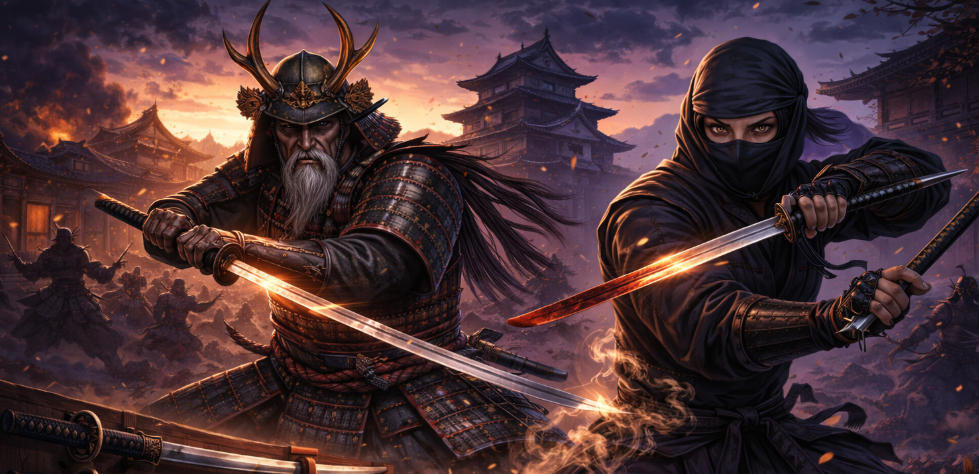
How Did Samurai and the Katana Shape Japanese History?
The history of the samurai is one of the most fascinating chapters in Japanese culture. Known as elite warriors of feudal Japan, the samurai shaped the nation’s military traditions, political systems, and martial philosophy for centuries. From the rise of the katana sword to the development of the Bushido code, samurai culture continues to influence movies, anime, martial arts, gaming, and modern sword collecting around the world.
Today, interest in samurai history, Japanese swords, and authentic katana culture remains stronger than ever. Searches for terms like 'real samurai katana,' 'Bushido meaning,' 'samurai sword history,' 'Edo period samurai,' and 'Japanese warrior culture' continue growing among historians, collectors, martial artists, and fantasy fans alike.
The samurai legacy extends far beyond warfare. It represents discipline, loyalty, honor, craftsmanship, and the enduring spirit of Japanese martial tradition.
Who Were the Samurai?
The samurai were members of Japan’s military nobility who served powerful lords known as daimyo. Emerging during the late Heian period, the samurai gradually evolved from regional warriors into the ruling military class of Japan.
The word 'samurai' comes from a Japanese term meaning 'to serve,' reflecting their role as loyal retainers to noble families and military leaders. Over time, samurai became deeply connected with combat skill, political power, and strict codes of personal conduct.
Unlike ordinary soldiers, samurai trained extensively in:
- Swordsmanship
- Archery
- Mounted combat
- Strategy and tactics
- Martial arts
- Philosophy and discipline
Their influence became especially powerful during the Kamakura, Muromachi, and Edo periods, when military governments dominated Japanese society.

The Rise of the Katana
No symbol of the samurai is more iconic than the katana sword. The katana became the defining weapon of the Japanese warrior class and remains one of the most famous swords in world history.
Early Japanese swords were heavily influenced by Chinese and Korean blade-making traditions. However, Japanese swordsmiths gradually developed unique forging methods that produced curved blades optimized for speed, sharpness, and precision cutting.
The katana’s curved design offered several advantages:
- Faster drawing attacks
- Smooth cutting motion
- Better balance and control
- Increased effectiveness in close combat
By the Muromachi period, the katana had largely replaced earlier straight swords and became the primary sidearm of the samurai.
Traditional katana forging involved folding steel multiple times to remove impurities and improve structural integrity. This process created the legendary combination of sharpness, flexibility, and durability associated with authentic Japanese swords.
Even today, collectors and martial artists admire the katana for both its combat functionality and artistic craftsmanship.
Bushido: The Samurai Code
The philosophy of Bushido played a major role in shaping samurai identity. Often translated as 'The Way of the Warrior,' Bushido emphasized moral discipline and honorable conduct.
Core principles of Bushido included:
- Loyalty
- Honor
- Courage
- Respect
- Self-discipline
- Duty
- Integrity
Although Bushido evolved over centuries and varied between regions, it became closely associated with the ideal image of the samurai warrior.
Samurai were expected to place duty above personal desires and maintain composure even in the face of death. This philosophy influenced not only military behavior but also Japanese literature, politics, and social values.
The idea of the honorable warrior continues to inspire modern depictions of samurai in movies, anime, manga, and video games.
Samurai During the Edo Period
The Edo period marked a major transformation in samurai history. After centuries of warfare, Japan entered a long era of relative peace under the rule of the Tokugawa shogunate.
Without constant battles, many samurai shifted away from active combat roles and became:
- Government officials
- Administrators
- Scholars
- Teachers
- Bureaucrats
Despite the peaceful era, samurai still carried swords as symbols of social status and authority. The wearing of the daisho — a paired katana and wakizashi — became an important marker of samurai identity.
During this period, swordsmanship schools flourished, and martial arts became increasingly refined. Samurai culture also became heavily romanticized through theater, literature, and art.
The Edo era helped preserve many traditions associated with modern samurai imagery, including formal armor designs, sword etiquette, and Bushido philosophy.
Samurai Armor and Weapons
While the katana is the most famous samurai weapon, historical samurai used many different arms depending on the battlefield situation.
Common samurai weapons included:
- Katana
- Wakizashi
- Tanto dagger
- Yari spear
- Naginata polearm
- Yumi longbow
Samurai armor also evolved significantly over time. Early armor focused on mounted archery, while later designs adapted to large-scale infantry combat and eventually firearms.
Traditional samurai armor balanced protection with mobility, using lacquered plates connected by silk cords. Elaborate helmets and masks were often designed to intimidate enemies while reflecting the warrior’s status and personality.
The Decline of the Samurai
The samurai class began declining during the nineteenth century as Japan modernized and adopted Western military technology.
The Meiji Restoration dramatically transformed Japanese society, ending the feudal system and reducing samurai political power. New national armies equipped with firearms gradually replaced traditional warrior classes.
Several major changes contributed to the fall of the samurai:
- Abolition of feudal domains
- Modern conscription armies
- Firearms replacing swords in warfare
- Economic reforms
- Restrictions on carrying swords publicly
By the late nineteenth century, the samurai class officially disappeared as a social caste. However, their cultural influence remained deeply embedded within Japanese identity.

Samurai Influence on Modern Pop Culture
Modern entertainment has played a huge role in preserving global fascination with samurai culture. Samurai themes appear constantly in:
- Anime
- Manga
- Video games
- Hollywood films
- Japanese cinema
- Fantasy novels
Characters inspired by samurai ideals often represent discipline, loyalty, and mastery of combat. Searches for terms like 'best samurai anime,' 'real katana sword,' 'samurai games,' and 'Bushido philosophy' continue increasing worldwide.
Popular games and films have introduced younger audiences to historical Japanese weapons and warrior traditions, blending real history with fantasy storytelling.
Modern Katana Collecting
Today, authentic katana collecting has become a major hobby among martial artists, historians, and sword enthusiasts. Collectors seek both antique Japanese swords and modern handcrafted replicas inspired by historical samurai weapons.
Factors that influence katana value include:
- Blade craftsmanship
- Steel quality
- Historical authenticity
- Hamon patterns
- Mounting quality
- Swordsmith reputation
Many collectors appreciate katanas not only as weapons but also as works of art reflecting centuries of Japanese craftsmanship and cultural tradition.
Why Samurai History Still Fascinates the World
The enduring popularity of samurai culture comes from its powerful blend of history, philosophy, martial arts, and aesthetics. The samurai represented far more than battlefield warriors — they embodied discipline, skill, loyalty, and personal honor.
The image of the lone swordsman following a strict moral code continues resonating across cultures and generations. Whether through historical research, martial arts practice, gaming culture, or sword collecting, people remain drawn to the timeless mystique of the samurai.
The katana itself has become a universal symbol of precision, craftsmanship, and warrior spirit.
Hand Forged 1045 Carbon Steel Samurai Sword Straight Blade Katana Blue Handle White Rayskin Full Tang

Conclusion
The history of the samurai, the evolution of the katana, and the philosophy of Bushido remain central parts of Japanese cultural heritage. From feudal battlefields to modern pop culture, samurai traditions continue influencing martial arts, storytelling, sword collecting, and global fascination with Japanese history.
Their legacy lives on through historical study, traditional swordsmanship, handcrafted Japanese blades, and the countless stories inspired by the warrior spirit of the samurai.
For many enthusiasts around the world, the samurai represent the perfect combination of combat skill, personal discipline, and timeless honor.
