Short Swords Guide: Design, Materials & Combat Uses Explained
- Posted by liqinliqin
What Is a Short Sword and How Was It Used in Real Combat Across Different Civilizations?
Introduction: Why Short Swords Matter in Weapon History
When users search short swords guide, short sword types explained, or what is a short sword used for, they are usually trying to understand a weapon that sits between a dagger and a long sword in both size and function.
A short sword is a compact melee weapon designed for close combat, fast movement, and tactical flexibility. Across history—from Roman legionaries to medieval knights and East Asian warriors—short swords played a crucial role in battlefield survival, indoor fighting, and secondary weapon systems.
Unlike large battlefield swords, short swords emphasize speed, control, and adaptability, making them one of the most versatile cold weapons in history.
What Is a Short Sword? Definition and Core Features
A short sword is typically defined as a blade ranging from about 30 cm to 70 cm, depending on culture and historical period. Modern references also describe them as weapons that are shorter than long swords but longer than daggers.
Key characteristics of short swords include:
- Designed for close-range combat and rapid strikes
- Lightweight structure for fast handling and quick transitions
- Suitable for one-handed use, sometimes paired with shields or secondary weapons
- Effective in confined environments such as indoor combat or narrow battlefields
- Balanced for both slashing and thrusting techniques
In many historical systems, the term “short sword” is not strictly defined, but rather a functional category used to describe compact blades optimized for close fighting scenarios.

Historical Development of Short Swords Across Cultures
Short swords evolved independently across different civilizations, shaped by warfare style, metallurgy, and tactical needs.
Roman Short Swords (Gladius Type Weapons)
One of the most famous examples is the Roman gladius, a short stabbing sword used by legionaries.
It was designed for:
- Tight formation combat
- Shield-based fighting systems
- Fast thrusting attacks in close range
The gladius demonstrates how short swords were optimized for disciplined battlefield formations rather than dueling.
European Medieval Short Swords
In medieval Europe, short swords appeared in various forms such as arming swords, cut-and-thrust swords, and sidearms.
These weapons were often used as:
- Backup weapons when long swords were impractical
- Tools for armored close combat
- Urban or castle defense weapons
Many European short swords focused on thrusting effectiveness against armor gaps, reflecting changes in medieval battlefield technology.
Asian Short Swords and Sidearms
In East Asia, short swords developed into highly refined weapon systems.
Examples include:
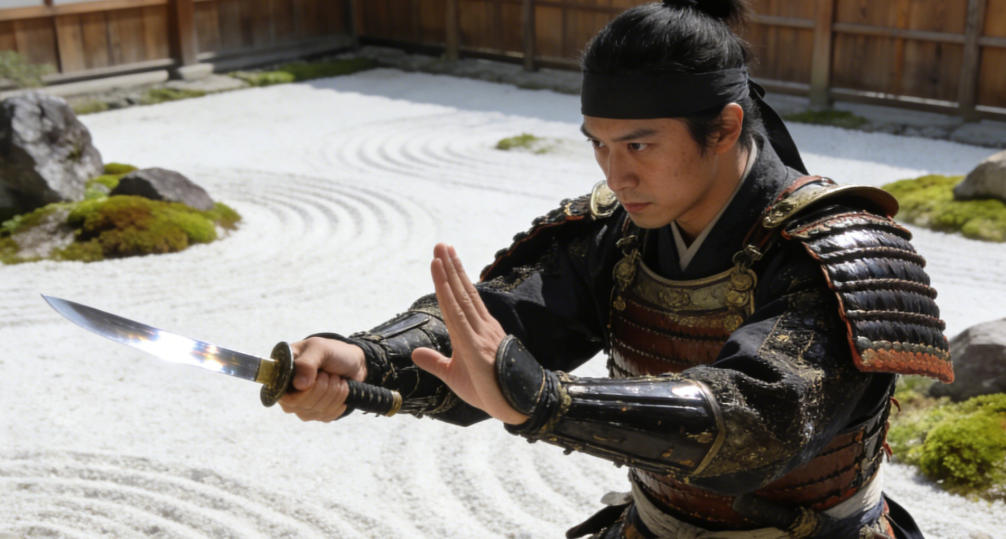
- Japanese wakizashi and tantō, often used as secondary weapons in the samurai daishō system
- Chinese short blades used in infantry combat and martial arts traditions
These weapons were especially important in indoor combat, assassination scenarios, and personal defense situations, where longer weapons were less effective.
Short Sword Design Types and Functional Classification
Short swords can be categorized based on how they are used in combat. Their design directly reflects battlefield function.
Offensive Short Swords
These weapons are optimized for aggressive combat.
Features include:
- Forward-balanced blade design
- Strong thrusting capability
- Fast slashing motion for rapid engagement
They are commonly used in tactical training and historical reenactments focused on offensive close combat.
Defensive or Balanced Short Swords
Balanced short swords are designed for adaptability.
They provide:
- Equal focus on attack and defense
- Better control for blocking and counterattacks
- Compatibility with dual-wield or shield systems
These are the most versatile type in historical weapon systems.
Utility and Backup Short Swords
Many short swords historically served as secondary weapons.
They were used when:
- Primary weapons were lost or broken
- Combat moved into tight indoor environments
- Quick reaction defense was required
This category highlights the short sword’s role as a survival and emergency weapon.
Short Sword Materials and Blade Construction
The performance of a short sword depends heavily on its material composition and forging process. Throughout history, metallurgy determined sharpness, durability, and combat effectiveness.
High Carbon Steel Short Swords
High carbon steel is one of the most traditional materials used in sword forging.
Advantages include:
- Excellent sharpness and cutting ability
- Strong edge retention
- High performance in close combat scenarios
However, it requires regular maintenance to prevent corrosion.

Alloy Steel Short Swords
Alloy steel incorporates multiple elements to improve performance balance.
Benefits include:
- Improved toughness and durability
- Better resistance to impact damage
- Longer service life compared to traditional steel
This makes alloy steel ideal for functional training weapons.
Stainless Steel Short Swords
Stainless steel is widely used in modern decorative and display swords.
Its features include:
- High corrosion resistance
- Low maintenance requirements
- Attractive polished appearance
However, it may not always match carbon steel in edge performance.
Combat Function: How Short Swords Were Used in Battle
Short swords were not primary battlefield weapons but served critical tactical roles.
They were commonly used for:
- Close-range infantry combat after formations broke
- Indoor or confined space fighting
- Backup defense when longer weapons were unusable
- Rapid reaction situations in chaotic battles
In many historical systems, short swords were considered last-resort survival weapons or highly efficient secondary arms.
Modern Uses of Short Swords Today
Today, short swords remain relevant in several fields:
- Historical martial arts training systems
- Live-action role-playing and reenactment combat
- Weapon collecting and historical study
- Film, anime, and game-inspired replicas
Their compact size and iconic design make them popular among collectors and martial arts enthusiasts alike.
Conclusion: Why Short Swords Remain Important in Weapon History
The short sword represents a perfect balance between portability, speed, and practicality. Whether in Roman legions, medieval Europe, or Asian martial traditions, short swords consistently served as essential close-combat weapons.
From gladius battlefield tactics to samurai wakizashi systems, and from steel craftsmanship evolution to modern replicas, short swords continue to reflect the development of human warfare, engineering, and combat philosophy.
Even today, they remain a symbol of precision, adaptability, and close-range combat efficiency.
