The Katana and Bo-Hi Explained: History, Craftsmanship, and Function
What Makes the Katana with Bo-Hi So Iconic in Japanese History and Craftsmanship?
The katana is one of the most iconic Japanese swords, celebrated for its elegance, sharpness, and unparalleled craftsmanship. Central to its design is the bo-hi, a groove running along the blade that enhances both functionality and aesthetics. Together, the katana and bo-hi represent centuries of Japanese sword-making mastery, blending martial efficiency with artistic expression.
The History of the Katana
The katana emerged during Japan’s feudal era, evolving from earlier swords such as the tachi. Designed for speed and precision, the katana became the weapon of choice for samurai, allowing for swift draw-and-cut techniques in close combat. Its distinctive curved blade facilitated powerful slicing motions, while the bo-hi contributed to a lighter, more agile sword.
Over time, the katana became more than just a weapon—it was a symbol of honor, discipline, and social status. Samurai treated their swords with reverence, often passing them down through generations as treasured heirlooms. Anime, films, and pop culture have further immortalized the katana, inspiring collectors and enthusiasts worldwide.
Understanding the Bo-Hi
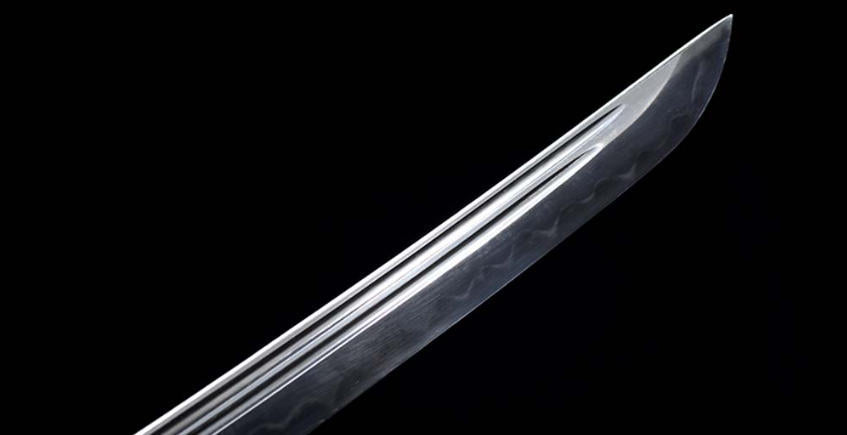
The bo-hi, or fuller, is a groove carved along the blade of a katana. Its primary purpose is functional:
- Weight Reduction: The bo-hi lightens the sword without compromising structural integrity.
- Enhanced Balance: By redistributing weight, it allows for smoother, faster strikes.
- Acoustic Effect: When swung, the bo-hi produces a distinctive sound, signaling precision and skill.
Beyond its practical uses, the bo-hi also serves an aesthetic purpose, adding elegance to the katana’s silhouette. Master swordsmiths meticulously craft this feature, ensuring both form and function harmonize in every blade.

Craftsmanship Behind the Katana
Creating a katana is an intricate process that can take months of careful work. Traditional Japanese swordsmiths:
- Fold high-carbon steel repeatedly to strengthen the blade.
- Shape and polish the blade to perfection.
- Integrate the bo-hi groove for optimal performance and beauty.
- Mount the blade with a tsuka (handle) wrapped in ray skin and cord for a secure grip.
Each katana is a unique masterpiece, reflecting the smith’s skill and attention to detail. The combination of sharpness, durability, and elegance makes it a highly prized weapon in both historical collections and modern replicas.
Function and Combat Use
In practice, the katana with a bo-hi allows for:
- Faster Draws: Essential for the samurai technique of iaijutsu.
- Efficient Slicing: The reduced weight and enhanced balance enable more precise strikes.
- Endurance in Battle: Lighter blades reduce fatigue during prolonged combat.
These features made the katana with bo-hi an indispensable tool for samurai, combining practicality with artistry in a way few weapons can match.
Collecting and Appreciating Katanas
Collectors value katanas not only for their combat effectiveness but also for their cultural and historical significance. Authentic blades, especially those with hand-forged steel and intricate bo-hi grooves, are highly sought after. Enthusiasts often focus on:
- Historical samurai swords with verified provenance.
- Modern handcrafted katanas replicating traditional techniques.
- Display and ceremonial swords inspired by anime or pop culture.
Proper care—including cleaning, oiling, and safe storage—ensures the blade’s longevity and preserves its historical value.

The Legacy of the Katana and Bo-Hi
The katana and bo-hi represent the pinnacle of Japanese sword-making, merging function, beauty, and historical significance. Their influence extends from traditional samurai warfare to modern anime, video games, and martial arts. For collectors, enthusiasts, and fans of Japanese history, the katana with a bo-hi remains a symbol of precision, discipline, and timeless craftsmanship.
The Cultural Significance of the Katana
Beyond its practical use in battle, the katana holds deep cultural significance in Japan. It symbolizes samurai honor, discipline, and loyalty, embodying centuries of martial tradition. The blade is often seen in ceremonies, martial arts demonstrations, and even as a work of art, reflecting the meticulous craftsmanship and spiritual importance of each sword. Collectors and enthusiasts value not only the sharpness and durability of the katana but also its historical legacy, making it a revered piece in samurai heritage.
Ghost of Tsushima Katana Tachi Sword – Handmade Full Tang High Manganese Steel Bo-Hi Blade Replica

Modern Popularity and Anime Influence
In contemporary culture, katanas with bo-hi grooves have been popularized by anime, films, and video games, inspiring fans and collectors worldwide. Characters wielding these swords often embody traits like precision, strength, and honor, connecting audiences to the rich history of Japanese swords. Enthusiasts often purchase replica katanas to study martial arts techniques or as display pieces, bridging historical samurai craftsmanship with modern pop culture. This enduring popularity has cemented the katana as one of the most iconic weapons globally.
