What Is a Double-Edged Sword? History, Types & Meaning Explained
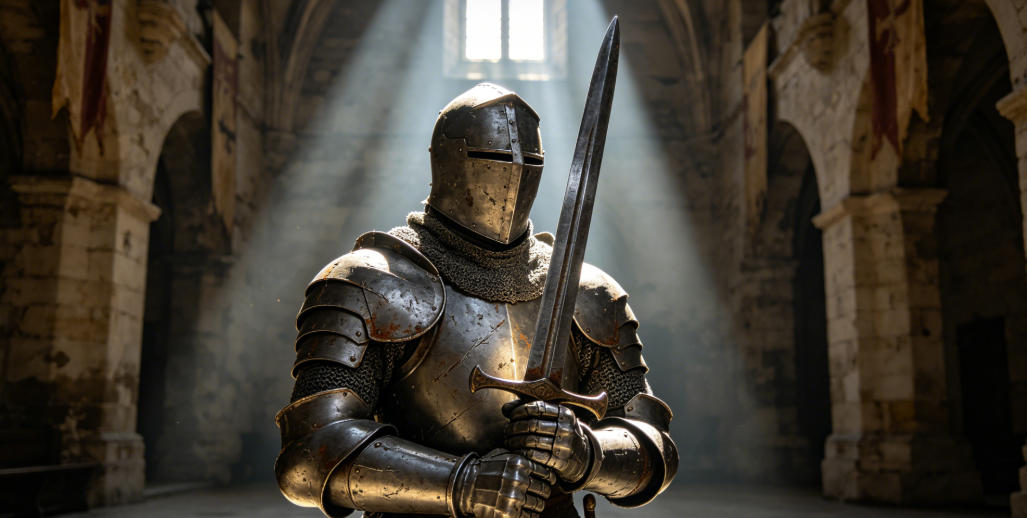
What Is a Double-Edged Sword and Why Is It Different From a Katana?
What Is a Double-Edged Sword?
When people search for what is a double-edged sword, they are usually looking for the meaning, history, and different types of this iconic weapon. A double-edged sword is a sword with two sharpened edges on both sides of the blade, allowing it to cut from either direction and perform powerful thrusting attacks. Unlike a single-edged sword such as the traditional katana, a double-edged sword features a symmetrical blade design that has appeared throughout history in Europe, China, Japan, and other ancient civilizations.
The term double-edged sword meaning has two interpretations. Literally, it refers to a sword with two cutting edges. Figuratively, “a double-edged sword” describes something that has both advantages and disadvantages, meaning it can create positive results while also bringing potential risks. This expression is widely used in modern English, business, technology, and everyday conversations.
History and Development of Double-Edged Swords
The history of the double-edged sword dates back thousands of years. Ancient warriors developed this blade style because it provided greater combat flexibility compared with single-edged weapons. By sharpening both sides of the blade, swordsmen could quickly change attack directions, perform defensive movements, and combine cutting techniques with powerful thrusts.
Different civilizations created their own versions of double-edged swords based on their fighting styles and battlefield needs. Famous examples include the Roman gladius, European longsword, Chinese jian sword, and Japanese ken sword. Although these weapons looked different, they shared the same core design principle: a blade with two sharpened edges designed for versatility and control.

Main Features and Advantages of a Double-Edged Sword
A well-designed double-edged sword usually has a straight blade, pointed tip, balanced weight distribution, and sharpened edges on both sides. This structure gives the weapon several advantages.
First, the sword can cut effectively with either edge, allowing smoother transitions between attacks. Second, the pointed tip provides excellent thrusting ability, making many double-edged swords effective against armored opponents. Third, the symmetrical blade design often improves balance and handling, which is why many historical warriors valued these weapons.
However, whether a double-edged sword is better than a single-edged sword depends on its purpose. Sword performance is influenced by blade geometry, steel quality, heat treatment, weight, balance, and the skill of the user.
Types of Famous Double-Edged Swords Around the World
Throughout history, many cultures created their own versions of the double-edged sword. The European longsword is one of the most famous medieval examples, featuring a long straight blade, crossguard, and pointed tip. It was widely used by knights and trained warriors during the Middle Ages.
The Roman gladius was another famous double-edged sword. Unlike the longer medieval longsword, the gladius was a shorter weapon designed for close combat and Roman military formations. Its double-edged blade allowed soldiers to perform both cutting and thrusting attacks efficiently.
In Asia, the Chinese jian sword is one of the best-known double-edged swords. Often called the “gentleman’s weapon” in Chinese martial culture, the jian features a straight double-edged blade and represents elegance, precision, and swordsmanship. Japan also had the ken sword, an ancient straight double-edged sword that differs from the later curved and single-edged katana.
Double-Edged Sword vs Katana: What Is the Difference?
One of the most common questions from sword enthusiasts is double-edged sword vs katana — which is the difference? The answer is mainly based on blade design.
A traditional katana is a single-edged sword with a curved blade, while a double-edged sword has sharpened edges on both sides. The katana was designed around Japanese swordsmanship techniques that emphasized powerful cutting movements, especially draw cuts. Double-edged swords, on the other hand, generally provide greater flexibility for both cutting and thrusting.
So, is a katana double edged? No. A traditional katana is not a double-edged sword. If you are looking for a Japanese double-edged sword, the historical ken sword is a more accurate example.

Materials and Modern Double-Edged Sword Replicas
Today, double-edged swords are popular among historical collectors, martial arts enthusiasts, fantasy fans, and sword display collectors. Modern sword replicas are often made from high-carbon steel materials such as 1095 carbon steel, 1060 carbon steel, T10 steel, and Damascus steel.
When choosing a double-edged sword replica, collectors should consider more than appearance. Important factors include blade material, heat treatment, full tang construction, balance, craftsmanship, and overall durability. A well-made sword should combine historical design accuracy with reliable construction.
For collectors searching for a double-edged sword for sale, medieval longsword replicas, Chinese jian swords, Roman gladius replicas, fantasy swords, and custom double-edged blades are among the most popular choices.
Double-Edged Sword Meaning in Culture and Modern Media
Beyond historical weapons, the double-edged sword has become a powerful cultural symbol. In movies, anime, video games, and fantasy stories, double-edged swords often represent strength, courage, power, and legendary warriors.
The phrase 'a double-edged sword' remains popular because it represents balance between benefits and disadvantages. Just like a real sword with two sharp edges, many things in life can create both opportunities and challenges.
From ancient battlefields to modern collections, the double-edged sword continues to attract attention because of its unique combination of history, craftsmanship, symbolism, and timeless design.
Frequently Asked Questions About Double-Edged Swords
What is a double-edged sword?
A double-edged sword is a sword with two sharpened edges on both sides of the blade, designed for cutting and thrusting.
What is a double-sided sword called?
The correct term is usually double-edged sword, although people may also search for double-sided sword or two-edged sword.
Is a katana a double-edged sword?
No. A traditional katana is a curved, single-edged Japanese sword.
What are examples of double-edged swords?
Popular examples include the European longsword, Roman gladius, Chinese jian, and Japanese ken.
Are double-edged swords better than katanas?
Neither design is universally better. Each sword type was created for different fighting styles, historical environments, and purposes.
Understanding the history, design, and purpose of double-edged swords helps collectors and enthusiasts appreciate why these weapons remain popular thousands of years after their creation.
Conclusion: Why Does the Double-Edged Sword Remain Popular Today?
From ancient battlefields to modern sword collections, the double-edged sword has remained one of the most iconic weapon designs in history. Its unique blade structure, combining two sharpened edges with strong cutting and thrusting abilities, made it valuable across many cultures, from the European longsword and Roman gladius to the Chinese jian and Japanese ken.
Today, the double-edged sword continues to attract historians, collectors, martial arts enthusiasts, and fantasy fans because it represents more than just a weapon. It reflects craftsmanship, cultural heritage, and the evolution of sword-making technology. Whether you are researching what is a double-edged sword, comparing a double-edged sword vs katana, or looking for a double-edged sword replica, understanding its history and design helps you appreciate why this legendary blade has survived for thousands of years.
A double-edged sword is not only a symbol of strength and skill but also a reminder that every tool, technology, and decision can have both advantages and challenges—just like the meaning behind the phrase 'a double-edged sword.'
