Yamato Katana : The History and Lore Behind Vergil’s Legendary Sword
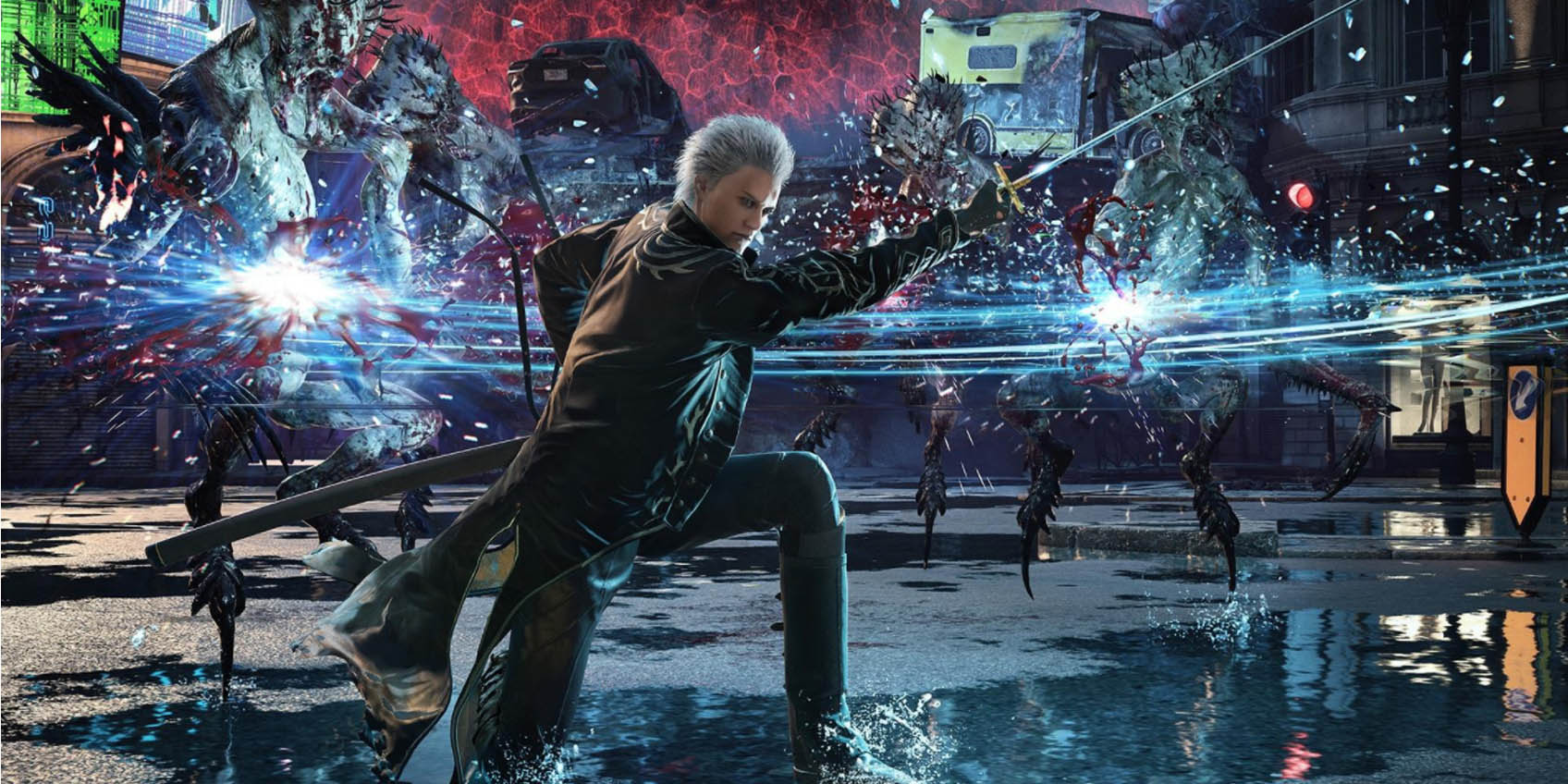
What Makes Vergil’s Yamato Katana the Most Legendary Sword in Devil May Cry?
In the world of action gaming, few weapons are as celebrated or as mysterious as the Yamato katana from the Devil May Cry series. Revered for its elegant design, supernatural powers, and deep connection to the character Vergil, the Yamato has become one of the most iconic swords in video game history.
This guide explores the origins, evolution, and historical influence of the Yamato katana across the Devil May Cry franchise, delving into its lore, symbolic significance, and the reasons why it continues to captivate fans of Devil May Cry lore and collectible weapon culture worldwide.
The Origins of the Yamato Katana in Devil May Cry
The Yamato katana first emerged as Vergil’s signature weapon—a blade that embodies both his fighting style and philosophical goals. Unlike traditional swords in other games, the Yamato is imbued with dimension‑cutting abilities, allowing its wielder to slice through space, reality, and spiritual boundaries with unmatched precision.
Inspiration From Myth and Fiction
While rooted in the fictional universe of Devil May Cry, the concept of the Yamato draws inspiration from real‑world samurai traditions and mythic weaponry. Historically, katanas were considered more than mere tools of war—they were symbols of honor, discipline, and spiritual presence. The Yamato katana blends these real sword ideals with supernatural narrative elements, creating a weapon that appeals to both gamers and sword enthusiasts.
Devil May Cry’s Narrative Integration
Across multiple entries in the Devil May Cry series, the Yamato’s backstory is slowly revealed through cutscenes, character arcs, and boss encounters. Its power becomes a focal point in the struggle between Vergil and his adversaries—particularly his twin brother Dante—making the sword a central piece of both character development and overarching storylines.

The Evolution of the Yamato in Game Mechanics and Design
Iconic Design Elements
The design of the Yamato katana is instantly recognizable, featuring:
-
Sleek, curved blade with a refined tip
-
Dark, polished finish that contrasts with gleaming edges
-
Minimalist guard and elegantly wrapped handle
These elements combine to create a blade that looks both functional and otherworldly, appealing to fans of anime sword design and video game weapon aesthetics.
Gameplay Impact
In various Devil May Cry titles, the Yamato’s gameplay mechanics reflect its lore:
-
Dimension‑cutting moves that allow teleportation and rapid repositioning
-
High precision strikes that reward timing and skill
-
Synergy with Vergil’s supernatural abilities, enhancing speed and damage output
This evolution from narrative weapon to core gameplay mechanic has helped cement the Yamato’s place among the most beloved weapons in action games.

Symbolic Meaning and Cultural Influence
The Sword as a Reflection of Vergil’s Character
Unlike other weapons that symbolize brute strength, the Yamato represents control, precision, and self‑mastery. Vergil’s use of the sword mirrors his personality—calm, calculated, and relentless in pursuit of power. As such, the blade becomes a key symbol of his character arc, often contrasted with his brother Dante’s more chaotic style.
Impact on Fan Culture and Media
The Yamato katana has inspired countless fan discussions, artwork, cosplay representations, and collector pieces. Its presence in fan media highlights its cultural resonance beyond the game itself. Fans appreciate the weapon not only for its in‑game power but also for its role in shaping the mythology of Devil May Cry.
Yamato in the Context of Other Legendary Game Swords
Within the larger landscape of action games and sword‑focused narratives, the Yamato katana stands alongside other legendary blades, such as:
-
The Master Sword from The Legend of Zelda
-
The Buster Sword from Final Fantasy VII
-
The Keyblade from Kingdom Hearts
What sets the Yamato apart is its integration of supernatural lore, character influence, and gameplay significance, making it both a narrative force and a fan favorite in weapon‑based game design.
Why the Yamato Katana Endures in Gaming History
Several key factors contribute to the Yamato’s lasting appeal:
Deep Narrative Roots
The sword’s story is interwoven with character motives, family dynamics, and the recurring themes of power and legacy.
Unique Gameplay Mechanics
Abilities like dimension cutting and enhanced combat responsiveness make the Yamato not just visually striking, but also fun and meaningful to use in gameplay.
Aesthetic and Symbolic Design
Its sleek design appeals to both gamers and collectors, bridging the gap between fictional weapon artistry and traditional sword appreciation.
Devil May Cry 4 Yamato Katana Sword – Hand Forged 1095 High Carbon Steel Clay Tempered Anime Replica

Devil May Cry 5 Yamato Katana Sword Replica – Hand Forged 1095 High Carbon Steel, Clay Tempered Choji Hamon

The Legacy of the Yamato Sword in Devil May Cry
From its early appearances to its continued evolution across Devil May Cry titles, the Yamato katana remains a defining weapon within the franchise. It exemplifies how a well‑crafted in‑game weapon can transcend its role as an item and become a symbol of identity, narrative depth, and fan passion.
For fans of Devil May Cry lore, weapon design, and collectible swords, the Yamato katana offers a rich tapestry of history, meaning, and aesthetic elegance—the perfect blend of mythic weaponry and gameplay innovation.
-
Posted in
Devil May Cry
