Demon Slayer Nichirin Swords Guide: Lore, Colors & Cosplay Explained
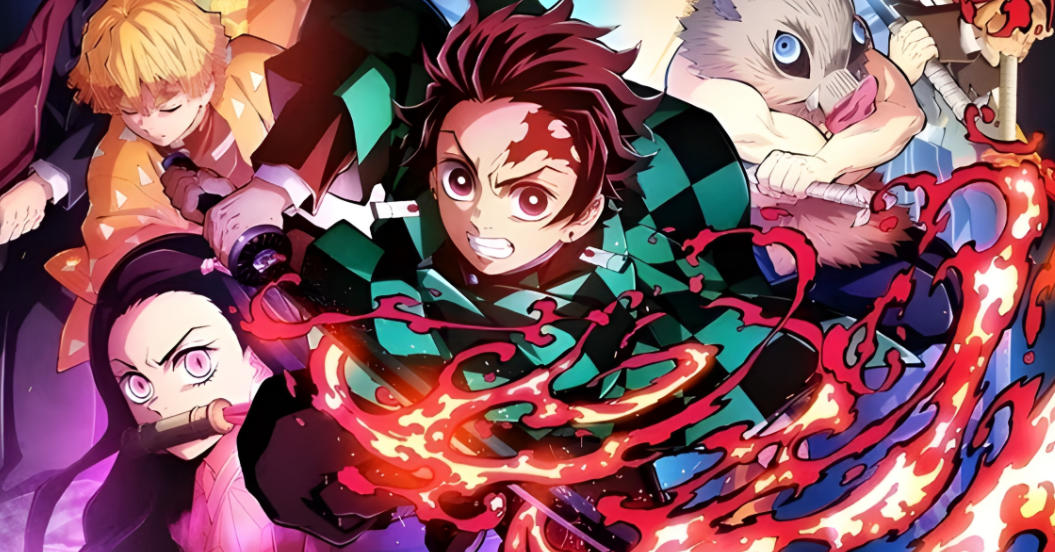
What Do Nichirin Swords Mean in Demon Slayer and Why Do They Change Color?
If you’ve been grinding through Demon Slayer: Kimetsu no Yaiba like most fans, you’ve probably gone down the same search spiral at some point:
'Nichirin swords explained Demon Slayer', 'why do swords change color in Demon Slayer', 'Tanjiro black sword meaning Sun Breathing', 'Hashira sword colors meaning', 'best Demon Slayer sword for cosplay realistic replica'.
And the deeper you go, the more you realize something simple:
Nichirin swords aren’t just weapons. They’re basically character builds made physical.
What Nichirin Swords Actually Are (Player-Friendly Explanation)
In-game logic, Nichirin blades are special katanas forged from sunlight-absorbing ore, designed specifically to kill demons permanently.
That’s why searches like 'what are Nichirin swords made of', 'Demon Slayer sword sunlight ore explained', and 'why Nichirin blades kill demons instantly' are so common.
Think of it like this:
Normal swords = physical damage
Nichirin swords = sunlight attribute damage + character resonance system
They are literally tuned to the user’s fighting style, which is why no two swords behave the same.

Why Nichirin Swords Change Color (The First Thing Everyone Googles)
This is where most players stop and go:
'wait… my sword is blue now?'
So naturally, searches explode:
why do Nichirin swords change color, Demon Slayer sword color meaning chart, Hashira blade colors explained, Tanjiro black sword bad luck theory
Here’s the in-universe system:
When a Demon Slayer first grips the sword, it reacts to:
- Breathing style affinity
- Physical talent
- Spiritual compatibility
So the blade “rolls” its final color based on the user’s combat identity.
Common “build mappings” fans search:
- Water Breathing → blue flow-based blade
- Flame Breathing → red/orange explosive blade
- Wind Breathing → green aggressive blade
- Thunder Breathing → yellow speed burst blade
- Insect Breathing → purple poison-styled blade
It’s basically a visual DPS indicator system.
Tanjiro’s Black Nichirin Sword: The Most Misunderstood Weapon
If there’s one weapon that dominates search traffic, it’s:
'why is Tanjiro’s sword black', 'black Nichirin sword meaning Demon Slayer', 'Sun Breathing connection black blade explained'
And here’s the player-style breakdown:
Black swords are rare. Not because they are weak—but because they are unpredictable.
Most Demon Slayer lore hints that black blades are tied to Sun Breathing compatibility, but users rarely reach full potential, so the color becomes associated with mystery and “unknown build paths.”
That’s why Tanjiro’s sword feels like:
a hidden class unlock that nobody fully understands at first
And later, when Sun Breathing starts appearing, the pieces finally click.
Hashira Nichirin Swords: Visual Builds of Peak Characters
Now we hit one of the most searched topics:
'Hashira swords explained Demon Slayer', 'strongest Nichirin blade designs ranked', 'what do Hashira swords look like and mean'
Each Hashira’s sword is basically a reflection of their combat identity:
- Flame Hashira = explosive offense, high burst damage blade style
- Water Hashira = adaptive defense + precision counter weapon
- Wind Hashira = chaotic pressure-based aggressive blade
- Stone Hashira = heavy, grounded impact-based combat style
- Insect Hashira = poison mechanics + precision stabbing system
- Love Hashira = flexible whip-like range control weapon
It’s not just aesthetics. It’s literally 'weapon = personality translated into combat system.'
That’s why fans often search Hashira sword meaning personality connection Demon Slayer, because every blade feels like a build screen made real.
Why Nichirin Swords Feel 'Alive' in Combat
A lot of players search:
'are Nichirin swords alive Demon Slayer theory', 'why do swords react to breathing styles', 'Nichirin sword spirit explanation'
Even though they aren’t officially sentient, the way they behave creates that illusion:
- Instant color transformation when first drawn
- Perfect synchronization with breathing technique
- Visual feedback of combat growth
- Strong emotional bond between user and blade
It feels less like equipping a weapon and more like unlocking a combat identity.
That’s why swordsmiths in Demon Slayer are treated almost like 'meta engineers'—they’re tuning the weapon system itself, not just forging metal.

Demon Slayer Ages + Sword Progression (Why Experience Matters)
Another underrated search cluster:
'Demon Slayer characters ages and swords explained', 'Hashira age ranking and weapons', 'Nichirin sword evolution progression'
Here’s how it works in player logic:
- New Demon Slayers = unstable breathing + less consistent blade resonance
- Mid-tier fighters = stable color + defined combat style
- Hashira level = fully optimized weapon identity system
So the sword isn’t just a weapon—it’s a progress tracker of mastery.
Older or more experienced fighters don’t just hit harder—they have more 'stable builds.'
Cosplay & Collector Angle: Why Nichirin Swords Are So Popular
If you’ve searched:
'Demon Slayer sword cosplay guide', 'Nichirin blade replica best quality', 'buy realistic Demon Slayer katana cosplay sword'
you already know the obsession is real.
Collectors usually look for:
- Accurate blade color matching from anime references
- Character-specific guard designs (flame, water ripple, whip structure)
- Proper weight balance for posing and display
- Clean handle wrapping and anime-accurate proportions
Each sword isn’t just merch—it’s basically a character artifact.
Owning one feels like equipping a build you’ve watched grow in the story.
Why Nichirin Swords Are Still One of the Most Searched Anime Weapons
Even years after release, searches keep trending:
- Demon Slayer Nichirin sword explained full guide
- why do swords change color Demon Slayer lore
- Hashira weapon ranking strongest blades
- Tanjiro black sword meaning Sun Breathing explained
- best anime katana cosplay Demon Slayer replica
Because Nichirin swords hit a rare combination:
visual identity + combat system + character psychology + progression design
Most anime weapons only do one or two of those. Nichirin blades do all four.
Final Player Take: Nichirin Swords Are Build Identity Systems
If you strip everything down, Nichirin swords are not just weapons.
They are:
- Combat style indicators
- Personality reflections
- Progression systems
- Emotional identity markers
That’s why Demon Slayer Nichirin swords guide lore colors cosplay explained keeps trending.
Because every sword in the series isn’t just forged.
It’s 'rolled' from the user’s entire fighting identity—and once it appears, it defines how that character fights for the rest of their journey.
Demon Slayer Tanjiro Kamado Nichirin Sword – 3rd Generation Black Blade 1095 High Carbon Steel Katana

-
Posted in
Demon Slayer
