Damascus Steel Explained: History, Swords & Modern Knives Guide
- von liqinliqin
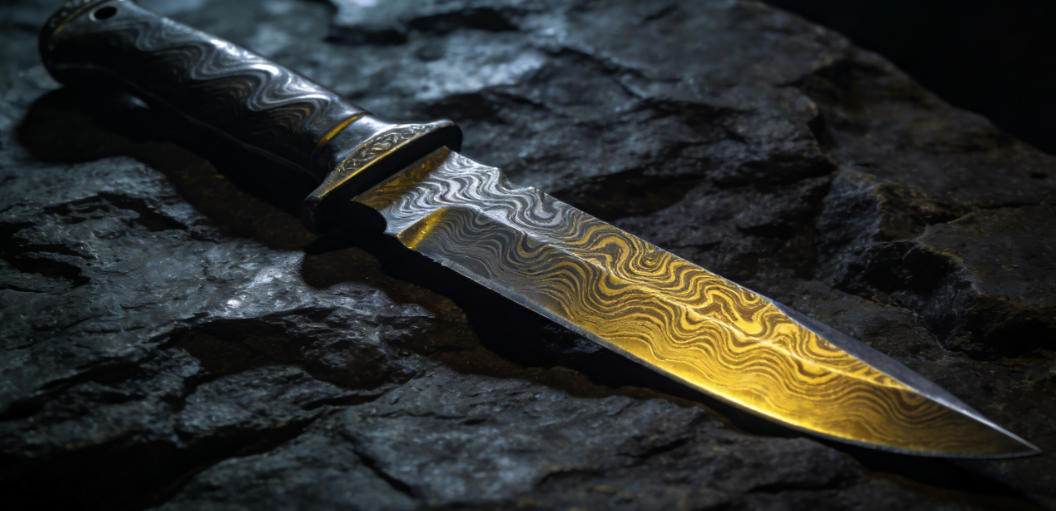
What Is Damascus Steel and Why Are Damascus Swords and Knives So Famous?
What Is Damascus Steel? Meaning, Definition, and Key Characteristics
Damascus steel is one of the most famous materials in the history of metallurgy, widely known for its distinctive wavy, water-like patterns, exceptional sharpness, and long-lasting durability. It is often described as pattern-welded steel or watered steel, and today it is widely used in both traditional-inspired swords and modern cutting tools.
In modern search trends, users frequently look for terms such as 'what is Damascus steel,' 'Damascus steel meaning,' 'Damascus steel knives explained,' and 'is Damascus steel real or fake.' These queries reflect the ongoing fascination with this legendary material.
The most recognizable feature of Damascus steel is its layered visual pattern, created by forging multiple steels together. Beyond aesthetics, it symbolizes advanced craftsmanship and centuries of blade-making evolution.

The History of Damascus Steel: Ancient Origins and Legendary Swords
The history of Damascus steel swords dates back over 1,500 years, with origins linked to ancient India and the Middle East. Early versions were believed to be made from Wootz steel, a high-carbon crucible steel first developed in South Asia.
This steel was later transported through trade routes such as the Silk Road, eventually reaching forging centers like Damascus, a major hub for weapon production. There, skilled blacksmiths refined the material into the legendary Damascus swords admired across Europe and Asia.
Historical warriors valued Damascus steel blades for several reasons:
- Extremely sharp cutting edge
- High flexibility and resistance to breaking
- Long-lasting edge retention
- Unique wave-like surface patterns
Because of these qualities, medieval Damascus swords became symbols of power, wealth, and elite craftsmanship.
Why Damascus Steel Was Considered So Powerful
One of the biggest reasons Damascus steel weapons became legendary is their rare combination of hardness and flexibility. Most ancient weapons were either too brittle or too soft, but Damascus blades were believed to balance both properties.
Historical accounts often describe Damascus swords as being able to:
- Cut through silk effortlessly
- Maintain sharpness after repeated use
- Resist bending during combat
This reputation led to myths surrounding its 'supernatural strength,' making Damascus steel history one of the most searched topics in sword collecting communities.
However, the original manufacturing process was eventually lost, contributing to the mystery of 'lost Damascus steel techniques.'
Modern Damascus Steel: Pattern-Welded Forging Process Explained
Today’s modern Damascus steel is typically produced using pattern welding techniques, not the ancient Wootz method. Although different in origin, it still produces visually stunning and high-performance blades.
The modern forging process includes:
- Layering different steels (often high-carbon and stainless alloys)
- Heating and forge welding under extreme temperatures
- Folding and hammering multiple times
- Etching with acid to reveal the signature pattern
This process creates the iconic Damascus wave pattern steel, which is highly valued in both function and design.
Popular modern search terms include:
- 'how Damascus steel is made'
- 'pattern welded Damascus process'
- 'real Damascus steel vs fake Damascus'

Damascus Steel Knives: Functionality Meets Art
Modern Damascus steel knives are widely used in kitchens, outdoor survival, and collectible blade markets. They are valued not only for performance but also for artistic craftsmanship.
Common uses include:
- Damascus kitchen knives for professional chefs
- Damascus hunting knives for outdoor survival
- Custom Damascus pocket knives for collectors
- Damascus steel chef knife sets for premium cooking tools
High-quality Damascus knives often offer:
- Excellent edge retention
- Strong cutting performance
- Attractive, unique blade patterns
- High collector value
Because every blade pattern is different, no two Damascus knives are exactly the same, increasing their appeal among collectors.
Damascus Steel vs Stainless Steel: Key Differences
Many buyers compare Damascus steel vs stainless steel knives before purchasing. The main differences include:
Appearance
- Damascus steel: layered wave-like patterns
- Stainless steel: smooth, uniform surface
Manufacturing
- Damascus steel: forged and layered
- Stainless steel: industrially refined and cast
Performance
- High-quality Damascus offers excellent sharpness and edge retention
- Stainless steel is generally more corrosion-resistant and low-maintenance
Maintenance
- Damascus steel may require extra care depending on alloy composition
- Stainless steel is easier to maintain in humid environments
Are Damascus Steel Knives Worth It?
The popularity of Damascus steel knives for sale continues to grow due to their balance of beauty and functionality. While not all modern Damascus replicates ancient metallurgy, high-quality versions remain highly effective cutting tools.
They are especially valued for:
- Premium kitchen performance
- Collectible craftsmanship
- Outdoor and tactical use
- Gift and display purposes
Search demand for 'best Damascus steel knives,' 'are Damascus knives worth it,' and 'handmade Damascus knife review' shows strong global interest.
Conclusion: The Lasting Legacy of Damascus Steel
From ancient Damascus steel swords to modern Damascus steel kitchen knives, this material has maintained its reputation as one of the most iconic blade-making traditions in history.
Its appeal comes from a unique combination of:
- Historical mystery
- Visual beauty
- Functional performance
- Craftsmanship heritage
Whether exploring Damascus steel history, comparing modern knives, or searching for the best Damascus steel blade, this legendary material continues to dominate both collector markets and practical knife industries worldwide.
