Fantasy Sword Guide: Collectibles, Design & Fantasy Swords Explained
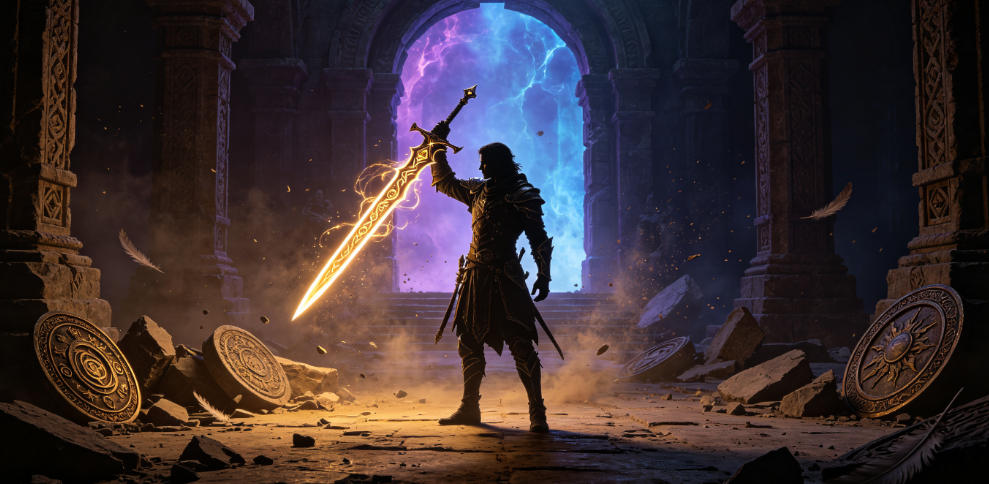
In the fantasy weapon collecting world, the fantasy sword has always been one of the most popular core categories. Whether originating from games, films, anime, or original fantasy settings, these weapons stand out with powerful visual impact and strong world-building expression, making them a top choice for collectors and cosplay enthusiasts. Meanwhile, the broader fantasy swords category systematizes different styles of fantasy weapons into a complete immersive collection ecosystem.
I. What Is a Fantasy Sword? Core Definition of Fantasy Weapons
A fantasy sword is not a simple replica of historical weapons, but a conceptual weapon that blends fantasy storytelling, artistic design, and character world-building. Its core value is not ‘real combat functionality’, but visual narrative expression—transforming fictional power systems into tangible visual form.
In essence, a fantasy sword acts as a storytelling medium. It is not just a prop, but an external extension of a character’s identity, power source, and the logic of their world. In video games, films, and animation, these weapons often carry symbolic meaning.
A typical fantasy sword usually includes the following features:
- Integration of magic, runes, or supernatural elements
- Exaggerated but structurally logical design
- Originating from RPG games, movies, anime, or fantasy IPs
- Strong focus on display value and visual impact
In a deeper cultural context, fantasy swords often function as visualizations of character fate and world-building logic. A crack on a blade may represent the cost of power, glowing runes may symbolize a sealed force, and evolving forms may indicate character progression.
Compared to traditional weapons defined by functionality, a fantasy sword is closer to a fragment of a world. Each sword is an independent narrative node connecting characters, storylines, and fantasy world-building.
Because of this, fantasy swords have formed a strong presence in collecting culture, especially in cosplay and gaming collectibles.

II. Why Are Fantasy Swords Booming in the Global Collectibles Market?
In recent years, with the expansion of gaming, film, and anime IPs, fantasy swords have seen rapid global demand growth. They have evolved from props into structured collectibles driven by aesthetics and emotional connection.
1. Game Culture Influence
In modern RPG and action-adventure games, weapon design is a key part of storytelling. Many iconic fantasy sword designs become symbolic elements of entire game worlds.
Players often want real versions of in-game weapons, driving demand for game-inspired fantasy swords, from display models to metal replicas.
2. Cosplay Culture
At anime and gaming conventions, the fantasy sword is a core cosplay prop. It often defines the visual identity of a character and enhances stage presence.
In cosplay, weapons are not just accessories but extensions of character identity and combat style.
3. Collectible Value
For collectors, fantasy swords are not just props but display art pieces.
Key value factors include:
- Metal craftsmanship or multi-material construction
- Game or film IP licensing
- Display stands and packaging design
- Limited edition releases
These elements make fantasy swords highly desirable in the collectible market.
III. Fantasy Sword Design Styles
1. Dark Fantasy Style
Heavy, gothic-inspired designs with dark tones and runes.
2. Magic Energy Style
Glowing energy effects and magical symbols.
3. Medieval Fantasy Style
Classic sword structures mixed with fantasy elements.
4. Sci-Fantasy Style
Technology-based futuristic fantasy weapon designs.

IV. Fantasy Swords in Gaming Culture
In games, a fantasy sword is more than equipment—it is part of the narrative system.
It often represents:
- Character progression
- Story milestones
- World power structure
Many games are remembered through their iconic fantasy swords.
V. Collectible Value Factors
The value of fantasy swords depends on:
- IP popularity
- Design complexity
- Material quality
- Limited production runs
VI. Who Are Fantasy Swords For?
- Game and RPG fans
- Cosplay enthusiasts
- Fantasy creators
- Visual artists
- Collectors
VII. Cultural Meaning
A fantasy sword represents more than combat—it reflects storytelling, character identity, and fantasy world-building.
Each fantasy sword is a physical expression of a fictional world.
VIII. Conclusion
Across gaming, film, and collecting markets, the fantasy sword has become a key symbol of fantasy culture.
It connects virtual worlds with physical collectibles, making fantasy swords one of the fastest-growing categories in the modern collectible market.
