Hattori Hanzo: Was He a Samurai General and Real Ninja Leader?
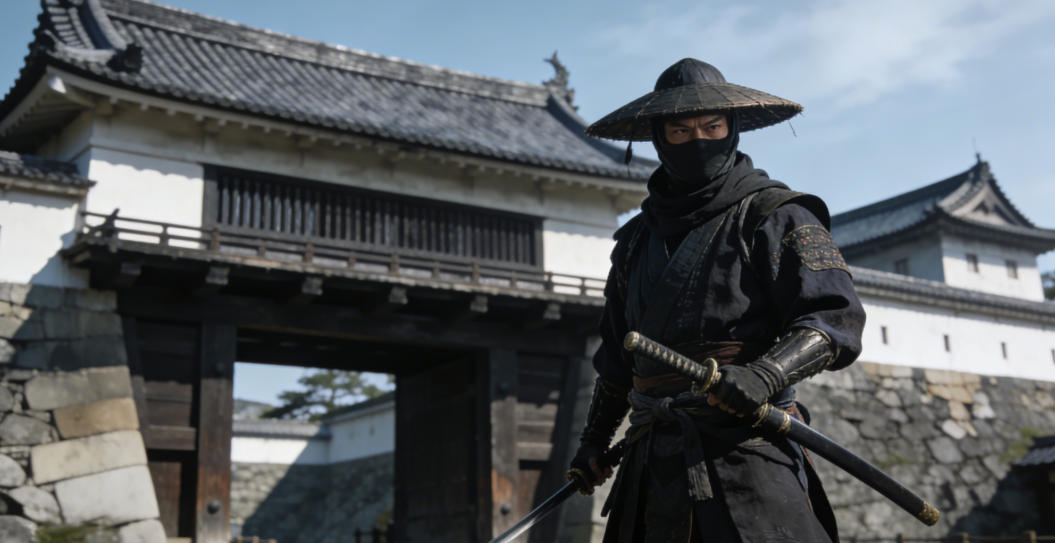
Was Hattori Hanzo Really a Samurai General and Ninja Leader in the Sengoku Period?
Who Was Hattori Hanzo? Full Meaning, Identity, and Historical Background
Hattori Hanzo (often searched as Hanzo Hattori) was one of the most influential figures of Japan’s Sengoku period (Warring States era). He is widely recognized as a powerful samurai general, a strategic ninja leader, and one of the most loyal retainers of Tokugawa Ieyasu, the founder of the Tokugawa shogunate.
High-volume search terms such as 'who was Hattori Hanzo,' 'Hattori Hanzo real history,' 'was Hattori Hanzo a ninja or samurai,' and 'Demon Hanzo Japan history' reflect global fascination with his dual identity.
Born in Mikawa Province in the 16th century, Hanzo grew up during one of the most violent and politically unstable eras in Japanese history. His name later became synonymous with loyalty, intelligence, and battlefield dominance.
Early Life of Hanzo Hattori and Samurai-Ninja Dual Training
Hanzo Hattori was born into a lower-ranking but respected samurai family serving the Matsudaira clan, which later became the Tokugawa clan. From childhood, he was trained in classical samurai warfare, including:
- Kenjutsu (sword fighting)
- Sojutsu (spear combat)
- Kyujutsu (archery skills)
- Mounted cavalry tactics
- Military discipline and honor code (Bushido)
However, what made him exceptional was his exposure to Iga ninja techniques, including:
- Stealth infiltration
- Intelligence gathering
- Psychological warfare
- Night operations
- Escape and evasion tactics
This rare combination of samurai discipline + ninja tactics created the foundation for his legendary status as a hybrid warrior strategist.

Rise of Hattori Hanzo in the Sengoku Era
The Sengoku period Japan history was defined by constant warfare between rival daimyos (feudal lords). In this chaotic environment, Hattori Hanzo Sengoku legacy began to rise rapidly.
He earned trust from Tokugawa Ieyasu due to his:
- Tactical brilliance in battlefield command
- Ability to predict enemy movements
- Expertise in covert intelligence operations
- Absolute loyalty during political betrayal
Because of his fearsome reputation in battle, enemies called him 'Oni no Hanzo' (Demon Hanzo). This nickname remains one of the most searched phrases today under 'why was Hattori Hanzo called demon.'
Hattori Hanzo as a Ninja Commander and Intelligence Master
Although widely known as a samurai, Hattori Hanzo ninja leadership role was equally important. He is often associated with commanding Iga ninja clans, which were famous for espionage and covert warfare.
His intelligence network activities included:
- Spy infiltration into enemy territories
- Information gathering for Tokugawa forces
- Night raids and sabotage missions
- Escorting high-value political figures
- Counterintelligence against rival clans
Popular search queries include:
- 'Hattori Hanzo ninja techniques'
- 'real ninja leaders in Japan history'
- 'did Hattori Hanzo lead ninjas'
Unlike modern fictional portrayals, historical analysis suggests Hanzo was not a “supernatural ninja,” but a highly trained military intelligence commander using real espionage tactics.
The Legendary 'Iga Escape' That Changed Japanese History
One of the most famous events in Hattori Hanzo history is the dramatic escape of Tokugawa Ieyasu after the Honno-ji Incident.
After Oda Nobunaga was betrayed and killed, Tokugawa Ieyasu became vulnerable in enemy territory. Hanzo organized a dangerous escape route through Iga and Koga ninja regions, coordinating local allies and covert guides.
This mission involved:
- Avoiding enemy patrols
- Using hidden forest routes
- Coordinating ninja scouts
- Protecting Tokugawa leadership at all costs
This event is frequently searched as:
- 'Hattori Hanzo Iga escape route'
- 'how Tokugawa Ieyasu escaped death'
- 'greatest ninja mission in Japanese history'
Without this operation, Tokugawa Ieyasu may not have survived, meaning Japan’s later unification could have been completely different.
Military Achievements and Role in Japan’s Unification
As a trusted Tokugawa samurai general, Hattori Hanzo military contributions extended far beyond espionage.
He played key roles in:
- Strategic battlefield planning
- Coordination of regional defenses
- Suppression of rival clans
- Protection of Tokugawa leadership
- Integration of ninja intelligence into military strategy
He was not just a fighter, but a military architect of early Tokugawa power consolidation.
Search demand often includes:
- 'Tokugawa generals list Hattori Hanzo'
- 'Sengoku war heroes Japan'
- 'Hattori Hanzo battles history'

Edo Period Role and Security Leadership in Early Japan
After Tokugawa Ieyasu unified Japan and established the Edo Shogunate, Hanzo continued to serve in a critical security role.
His responsibilities included:
- Guarding Edo Castle security systems
- Managing internal intelligence networks
- Supervising former Iga ninja units
- Protecting the Tokugawa political structure
One of the most famous historical landmarks associated with him is Hanzomon Gate in Tokyo, named after his legacy as a protector of the capital.
Death of Hattori Hanzo and Historical Interpretation
Hattori Hanzo died around the late 16th century, though exact records vary depending on historical sources.
After his death, his identity evolved into:
- A symbol of absolute loyalty
- A legendary ninja commander
- A mythologized samurai strategist
- A cultural icon in Japanese storytelling
Modern searches often include:
- 'Hattori Hanzo death cause'
- 'Hattori Hanzo real story vs legend'
- 'was Hattori Hanzo real or fictional'
His life sits between historical fact and cultural legend, making him one of Japan’s most enduring figures.
Hattori Hanzo in Modern Culture (Anime, Films, and Games)
The legacy of Hattori Hanzo samurai and ninja legend continues strongly in modern entertainment.
He appears in:
- Japanese historical dramas
- Anime inspired by Sengoku era
- Video games featuring samurai warriors
- Western films referencing ninja mythology
This cultural spread has made him a global keyword in searches such as:
- 'Hattori Hanzo anime character'
- 'Hattori Hanzo in movies'
- 'real ninja inspiration characters'
Conclusion: Why Hattori Hanzo Remains a Timeless Samurai-Ninja Legend
Hattori Hanzo remains one of the most powerful figures in Japanese history because he perfectly represents a rare dual identity:
- The discipline, honor, and loyalty of a samurai general
- The intelligence, stealth, and strategy of a ninja commander
His loyalty to Tokugawa Ieyasu, his legendary escape missions, and his intelligence network operations shaped the course of Japanese history.
Today, he continues to dominate global interest in Sengoku period history, ninja culture, and samurai legends, making Hattori Hanzo a timeless symbol of strategy, loyalty, and tactical genius.
