Ichigo True Bankai Explained: Why Zangetsu Returns in BLEACH TYBW
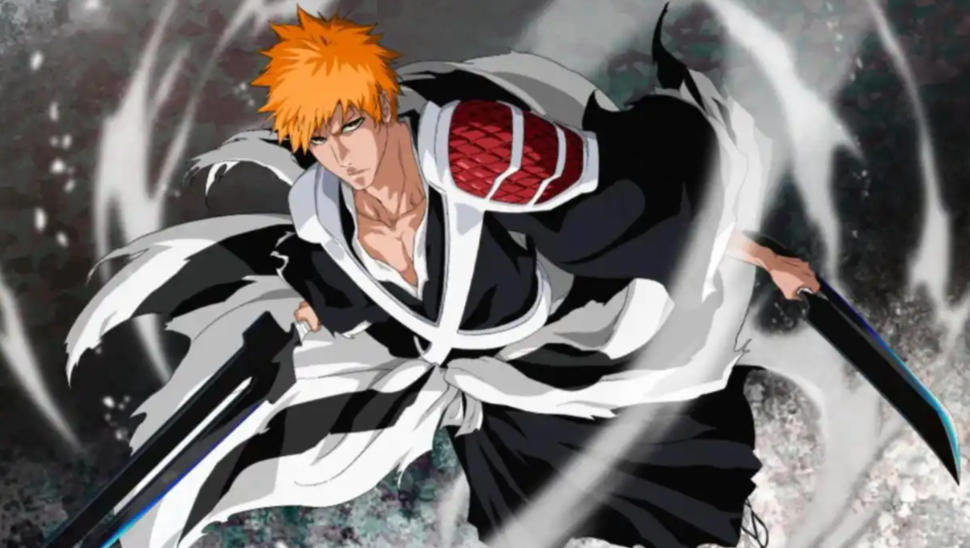
Why Does Ichigo’s True Bankai Turn Back Into Zangetsu in BLEACH TYBW?
If you’re watching BLEACH TYBW like most fans did on release—or rewatching that final stretch trying to fully understand what just happened—you probably hit the same confusion wall:
Ichigo’s Bankai breaks… Yhwach reacts like it’s dangerous… and then suddenly it looks like Zangetsu returns to his original form.
That’s exactly why searches like Ichigo true Bankai explained, why did Zangetsu return BLEACH TYBW, Ichigo final sword form meaning, and BLEACH ending sword confusion explained exploded everywhere.
Because on the surface, it looks like a downgrade.
But in reality, it’s one of the most layered weapon reveals in anime.
Ichigo Kurosaki True Bankai Is Not a 'Power Form' in the Traditional Sense
Let’s frame this like a player looking at a build system.
Most anime characters level up like this:
- Base form → stronger form → final form
Ichigo doesn’t follow that system.
His true Bankai BLEACH TYBW form is built from three stacked identity systems:
- Soul Reaper power (Zanpakutō / Zangetsu core)
- Hollow power (instinct + mask + aggression)
- Quincy heritage (Yhwach-related lineage influence)
So when people search:
- Ichigo hybrid powers explained TYBW
- why Ichigo has two Zangetsu blades
- BLEACH true Bankai meaning breakdown
They’re really trying to understand a system that was never designed to be linear.
Ichigo is basically a 'multi-class character' whose final weapon is the result of merging incompatible skill trees.

Why Ichigo’s Bankai Breaks in TYBW (Yhwach’s Almighty Mechanic Explained)
This is the moment most viewers replay.
Search spikes happen around:
- why did Ichigo’s Bankai break instantly
- Yhwach Almighty vs Ichigo sword explanation
- BLEACH TYBW future manipulation ability explained
Here’s the key mechanic:
Yhwach’s ability doesn’t just predict the future—it selects and destroys undesirable futures.
So when he sees Ichigo’s Bankai as a future threat, he acts preemptively and destroys it.
But here’s the important gameplay-style interpretation:
The Bankai wasn’t 'weak.'
It was removed from the timeline before it fully stabilized.
That’s why it feels sudden, unfair, and confusing at the same time.
The 'Zangetsu Return' Moment: Why It Looks Like a Reset
This is where most fans go:
'Wait… didn’t Ichigo just lose his final form?'
That leads to searches like:
- why Ichigo sword looks like Shikai again
- Zangetsu return meaning BLEACH ending
- Ichigo final sword same as beginning explanation
But what you’re actually seeing is not a reset—it’s a compression event.
Think of it like this:
Ichigo’s true Bankai has two layers:
- Outer composite structure (fusion of all powers)
- Inner foundational Zanpakutō core (Zangetsu identity)
When Yhwach destroys the outer layer, the inner blade becomes visible again.
So what looks like 'original Zangetsu' is actually:
the most stable version of Ichigo’s sword that can exist without fragmentation
Sheath Theory Explained (Why the Sword 'Was Always Two Layers')
One of the most popular BLEACH TYBW fan theories explained is the sheath theory.
It appears in searches like:
- Ichigo sword sheath theory explained TYBW
- Zangetsu true form hidden meaning
- why Ichigo Bankai looks incomplete
Here’s the idea in player terms:
Ichigo’s final sword is structured like a layered weapon:
- The outer blade is a constructed form made from fused energies
- The inner blade is the original Soul Reaper foundation
The “breaking” is not destruction—it’s separation.
And when separation happens, the core weapon looks familiar because:
it was always the base layer underneath everything else
Why Ichigo’s Final Sword Feels 'Too Simple' for a Final Form
A lot of fans searched:
- Ichigo final Bankai disappointing explanation
- BLEACH TYBW ending why sword is simple
- Ichigo final form no transformation meaning
Because expectations were:
- giant visual transformation
- new horned hollow evolution
- flashy final-stage design
But TYBW deliberately avoids that.
Why?
Because Ichigo is no longer in a 'power escalation phase.'
He’s in a stabilization phase.
So instead of becoming more complex, his final weapon becomes:
- cleaner
- more controlled
- less fragmented
It’s like a build optimization patch instead of a new skill tree.

Ichigo vs Yhwach Final Fight: Why He Still Wins Without a Stable Bankai
This is where BLEACH TYBW final battle explained, Ichigo last strike Yhwach meaning, and how Ichigo beat Yhwach without Bankai searches come in.
Even after his Bankai is destroyed:
- Ichigo still has Hollow instinct reaction speed
- His Soul Reaper core remains combat-ready
- His Quincy lineage provides structural resistance to Yhwach’s manipulation
So the fight becomes less about 'who has the bigger form' and more about:
who can still operate under incomplete conditions
And Ichigo adapts faster.
That’s why the final hit lands.
Zangetsu Was Never Just One Sword (Identity Breakdown Explained)
One of the most misunderstood ideas behind Ichigo Zangetsu true identity BLEACH explanation is thinking Zangetsu is a single entity.
It never was.
Zangetsu is:
- A name Ichigo gave to his power manifestation
- A conceptual “container” for multiple identities
- A reflection of internal conflict becoming external form
That’s why searches like:
- why Ichigo still calls sword Zangetsu
- BLEACH sword identity meaning explained
- Ichigo dual spirit Zangetsu theory
keep trending.
Because the sword is not a weapon in isolation—it’s a representation of internal unity.
Why This Scene Still Dominates BLEACH Discussions
Even years later, TYBW episodes still drive massive search interest:
- Ichigo true Bankai explanation full breakdown
- Zangetsu return meaning ending explained
- BLEACH TYBW sword symbolism analysis
- Ichigo final form vs Yhwach Almighty interaction
- why Ichigo Bankai looked broken but wasn’t
Because this moment doesn’t behave like typical anime power scaling.
It behaves like:
- identity resolution
- layered symbolism
- narrative compression of three power systems
It’s not about strength.
It’s about coherence.
Final Player Perspective: What Ichigo’s True Bankai Really Means
From a player mindset, Ichigo’s final weapon is not impressive because it’s bigger or flashier.
It’s impressive because it is the final optimized version of a broken system becoming stable.
At the start of BLEACH:
- Ichigo’s powers are strong but unstable
- His identity is fragmented across systems
At the end of TYBW:
- Everything is unified
- Nothing is competing anymore
- The sword reflects a single coherent existence
So when fans search why Zangetsu returned in BLEACH TYBW explained, the real answer is:
It didn’t return.
It was finally understood in its purest form.
Bleach Ichigo Kurosaki New Tensa Zangetsu Tanto Mini Katana – 1060 Carbon Steel Bankai Sword

-
Veröffentlicht in
Bleach
