Japanese Tachi Sword Explained:History, Curved Blade & Samurai Origins
- von liqinliqin
What Is a Japanese Tachi Sword and How Did It Become the Origin of the Samurai Katana?
What Is the Japanese Tachi Sword and Why Does It Matter in Samurai History?
The Japanese tachi sword is one of the earliest and most important samurai weapons, often searched under keywords such as 'tachi sword history explained', 'samurai curved sword origin', 'Japanese katana predecessor tachi', 'ancient samurai cavalry weapon', and 'Japanese sword metallurgy secrets'.
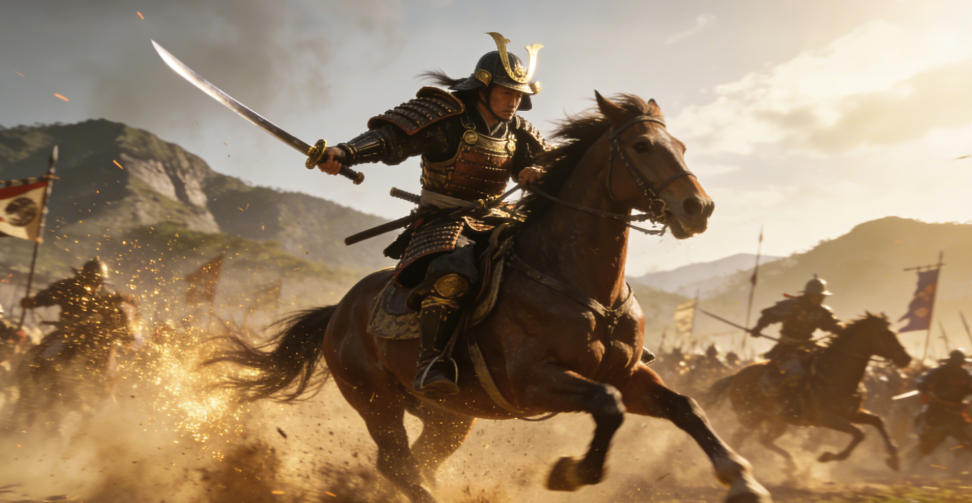
Before the katana became the defining weapon of the samurai class, the tachi (太刀) was the dominant battlefield blade. It was designed specifically for mounted warfare, making it longer, more curved, and optimized for cutting enemies while riding at full speed.
The tachi is not just a historical weapon—it is the foundation of Japanese curved sword evolution and a key symbol of early samurai culture.
Origins of the Tachi: The Birth of the Samurai Curved Blade
The tachi emerged during the Heian period (794–1185) and reached its peak use in the Kamakura period (1185–1333), a time when samurai cavalry dominated Japanese warfare.
Why the Tachi Was Created
The design of the tachi was driven by battlefield needs:
- Samurai fought primarily on horseback
- Combat involved fast sweeping attacks
- Armor required stronger slicing power
- Weapons needed longer reach and control
As a result, the tachi was developed as a long, curved cavalry sword designed for maximum cutting efficiency while mounted.
Popular search queries include:
- origin of samurai swords Japan
- why Japanese swords are curved
- tachi sword meaning and history

Tachi vs Katana: Understanding the Key Differences
One of the most searched topics in Japanese sword history is tachi vs katana comparison.
1. Wearing Style
- Tachi: worn suspended from the belt with edge facing down
- Katana: worn tucked into the belt with edge facing up
2. Battlefield Role
- Tachi: optimized for horseback combat and wide slashing attacks
- Katana: optimized for quick draw duels and infantry battles
3. Blade Geometry
- Tachi: deeper curvature, especially near the base
- Katana: more uniform curve along the blade
4. Historical Era
- Tachi: dominant in early samurai warfare
- Katana: became standard after the Muromachi period
This transition reflects Japan’s shift from cavalry warfare to infantry-based combat systems, making the katana more practical for close-range fighting.
Why Is the Tachi Curved? The Science Behind the Blade Shape
The iconic curvature of the tachi is one of the most recognizable features in Japanese weapon design, and it is the result of both combat logic and metallurgical science.
1. Cavalry Cutting Mechanics
When a mounted samurai rides past an enemy, a curved blade naturally:
- Increases slicing efficiency
- Reduces resistance during impact
- Enhances follow-through cutting power
2. Differential Cooling During Forging
During heat treatment:
- The edge cools faster than the spine
- This uneven contraction creates a natural upward curve
This process also forms the famous hamon (temper line), a visual signature of Japanese swords.
3. Structural Optimization
The curvature improves:
- Cutting angle precision
- Energy transfer during strikes
- Overall balance of the weapon
Search-friendly keywords include:
- why are samurai swords curved
- Japanese katana bend explanation
- tachi blade shape science
Japanese Sword Metallurgy: How Tachi Blades Were Forged
The craftsmanship behind the Japanese tachi sword is one of the most advanced metallurgical achievements of medieval Japan.
1. Tamahagane Steel Production
Tachi blades were made from tamahagane, a traditional steel produced from iron sand in a clay furnace.
This material contains varying carbon levels, allowing smiths to:
- Combine hard and soft steel layers
- Control blade flexibility
- Achieve superior durability
2. Folding Process (Tatara Forging Technique)
The steel is repeatedly folded to:
- Remove impurities
- Evenly distribute carbon
- Create internal grain patterns known as hada
Some high-quality blades were folded dozens of times, producing thousands of microscopic layers.
3. Differential Hardening (Yaki-Ire)
A layer of clay is applied before quenching:
- Thin clay on edge → rapid cooling → extreme hardness
- Thick clay on spine → slower cooling → flexibility
This technique creates:
- Razor-sharp cutting edge
- Shock-resistant spine
- Distinct hamon pattern
4. Hand Polishing and Finishing
The final stage reveals:
- Blade geometry
- Steel grain patterns
- Temper line artistry
Polishing alone could take weeks, turning the weapon into a functional piece of art.

Battlefield Role: Why the Tachi Was Perfect for Samurai Cavalry
The tachi was designed specifically for mounted warriors, making it a dominant weapon in early feudal Japan.
Key Tactical Advantages:
- Long blade for extended reach
- Curved edge for powerful slashing
- Balanced weight for horse control
- Efficient strike while moving at speed
Samurai could deliver devastating attacks while passing enemies in motion, making the tachi ideal for hit-and-run cavalry warfare.
Cultural Meaning of the Tachi in Samurai Society
Beyond its battlefield role, the tachi held deep symbolic importance.
1. Status and Nobility
Only high-ranking samurai were allowed to wear elaborately decorated tachi, especially in ceremonial settings.
2. Warrior Identity
The sword symbolized:
- Loyalty to the lord
- Personal honor
- Martial discipline
3. Artistic Expression
Many tachi featured:
- Gold and lacquer fittings
- Intricate engravings
- Family crests (mon)
This made each blade a personal and cultural artifact, not just a weapon.
Evolution: How the Tachi Became the Katana
As Japan’s warfare evolved, so did its swords.
Key Changes:
- Shift from cavalry dominance to infantry combat
- Need for faster drawing techniques
- Close-range duel combat becoming more common
This led to the rise of the katana, which eventually replaced the tachi as the standard samurai sword.
However, the tachi remained influential as the direct ancestor of all modern Japanese swords.
Why the Tachi Still Fascinates Collectors and Historians Today
The Japanese tachi continues to attract global interest because of:
- Its role as the origin of samurai sword design
- Advanced medieval Japanese metallurgy
- Elegant and highly functional curved blade structure
- Strong connection to early samurai warfare
- Influence on later katana development
Popular search keywords include:
- antique Japanese tachi sword value
- samurai sword types explained
- historical Japanese weapons collection
Collectors and historians view the tachi as one of the most important evolutionary steps in sword history.
Conclusion: The Tachi as the Foundation of Samurai Sword Culture
The Japanese tachi sword is far more than an ancient weapon—it is the beginning of the samurai sword legacy.
It represents:
- The origins of curved Japanese blades
- Advanced early metallurgy techniques
- The rise of samurai cavalry warfare
- The cultural identity of feudal Japan
Without the tachi, there would be no katana as we know it today. It stands as the root of Japanese sword evolution and a timeless symbol of samurai craftsmanship and battlefield innovation.
