Medieval Longsword Guide: History, Design & Combat Techniques
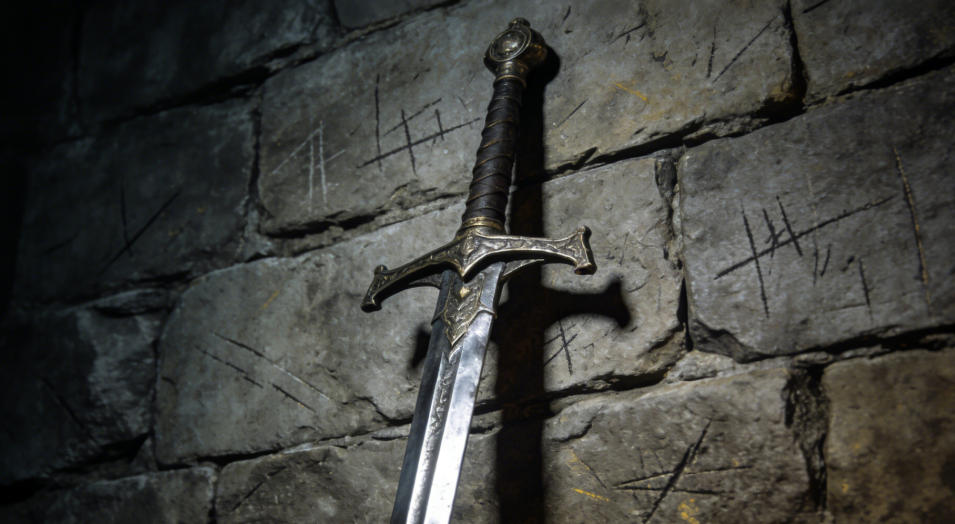
How Was the Medieval Longsword Used in Battle and What Are Its History, Design, and Combat Techniques?
What Is a Medieval Longsword? The Iconic Two-Handed Knight Weapon
The medieval longsword, also widely searched as two-handed knight sword, European longsword weapon, and bastard sword medieval combat blade, is one of the most recognizable weapons of the Middle Ages.
Used primarily between the 14th and 16th centuries, the longsword was a versatile battlefield weapon designed for both cutting and thrusting techniques. It is characterized by a long double-edged blade, a cruciform hilt, and a grip that allows either one or two-handed use.
In modern search trends, it is commonly associated with:
- medieval longsword history explained
- longsword combat techniques HEMA
- knight sword fighting style medieval Europe
- how longswords were used in armor combat
- medieval European sword types guide
The longsword became a defining weapon of knights, mercenaries, and trained duelists across Europe.
History of the Medieval Longsword in European Warfare
The longsword evolved from earlier medieval arming swords as armor became more advanced. As plate armor and reinforced chainmail spread across Europe, traditional single-handed swords became less effective in combat.
Historical development highlights:
- Emerged in the late 13th century
- Peaked in use during 1350–1550
- Common in Germany, Italy, France, and England
- Used in both battlefield warfare and judicial duels
According to historical fencing manuals and archaeological studies, the longsword became a key part of late medieval knight combat systems, especially during the Hundred Years’ War era.
Unlike earlier swords, it was designed for adaptability in armored and unarmored fighting situations.

Medieval Longsword Design: Blade, Grip, and Structure
The longsword is known for its balanced engineering and functional simplicity, making it one of the most efficient medieval weapons ever created.
Blade Design and Structure
The blade is:
- Straight and double-edged
- Typically 90–120 cm in length
- Tapered toward a sharp thrusting point
This structure allowed it to perform both:
- Powerful cutting attacks
- Precise stabbing strikes into armor gaps
Many blades also included a fuller (groove) to reduce weight while maintaining strength, improving overall balance in combat situations.
Crossguard, Pommel, and Two-Hand Grip
The longsword hilt includes several essential components:
- Crossguard: protects hands and blocks enemy strikes
- Pommel: balances the blade and can be used offensively
- Extended grip: allows two-handed control
This design gave fighters superior leverage, making the longsword effective in both speed and power-based combat styles.
How the Medieval Longsword Was Used in Combat
The longsword was not just a cutting weapon—it was a complete fighting system. Medieval fencing traditions (later known as HEMA – Historical European Martial Arts) describe a wide range of techniques.
Cutting and Slashing Techniques
In unarmored combat, the longsword was used for:
- Fast diagonal cuts
- Horizontal slashes to limbs and neck
- Circular motion attacks for momentum
These strikes relied heavily on timing and body mechanics rather than brute strength.
Thrusting Against Armor
As armor improved, thrusting became essential. Fighters targeted weak points such as:
- Neck gaps
- Underarm joints
- Helmet openings
- Groin and elbow areas
The sharp point of the longsword made it highly effective for precision attacks.
Half-Swording Technique
One of the most famous medieval techniques is half-swording, where the fighter grips the blade with one hand for better control.
This technique allowed:
- Greater precision in armored combat
- Stronger thrusting power
- Improved control in close-range grappling
It was especially useful when fighting heavily armored knights.
Pommel and Crossguard Fighting
In extremely close combat, the longsword could function like a blunt weapon:
- Pommel strikes to the head or helmet
- Crossguard hooks and impacts
- Grappling and weapon trapping techniques
This made the longsword a true multi-purpose battlefield weapon.

Longsword Fighting Styles and HEMA Traditions
The longsword was supported by structured martial systems, especially in Germany and Italy.
German School of Fencing
The German tradition, linked to masters like Johannes Liechtenauer, focused on:
- Tactical timing (Vor, Nach, Indes)
- Strong defensive guards
- Fast counterattacks
Italian School of Fencing
The Italian tradition emphasized:
- Fluid movement
- Strategic footwork
- Controlled strikes and defense
These systems are still studied today in HEMA longsword training schools worldwide.
Longsword vs Armor: Battlefield Adaptation
Against heavily armored opponents, cutting alone was ineffective. Fighters adapted by:
- Using thrust-based attacks
- Targeting armor weak points
- Grappling in close combat
- Switching between cutting and leverage techniques
This adaptability is why the longsword remained dominant even during the rise of full plate armor.
Cultural Role of the Medieval Longsword
Beyond combat, the longsword held symbolic importance in medieval society.
It represented:
- Knightly honor and chivalry
- Social status and military rank
- Justice in judicial duels
- Skill and martial training
It was often featured in ceremonies, knightly oaths, and aristocratic traditions.
Hand Forged Scourge of Mankind European Sword – 1095 Folded Steel Medieval Knight Sword with Iron Fittings

Conclusion: Why the Medieval Longsword Still Fascinates Today
The medieval longsword remains one of the most studied and admired weapons in history because it represents the perfect balance of power, technique, and adaptability.
As one of the most searched topics in historical weapons—medieval longsword techniques, knight sword combat history, European longsword fighting styles—it continues to inspire:
- Historical martial artists (HEMA practitioners)
- Medieval historians
- Game designers and fantasy writers
- Sword collectors and enthusiasts
The longsword is more than a weapon—it is a symbol of medieval combat intelligence and knightly evolution.
