Ninja vs Samurai: Differences, Training, Weapons and History
- von liqinliqin
What Is the Real Difference Between a Ninja and a Samurai?
What Is the Difference Between Ninja and Samurai?
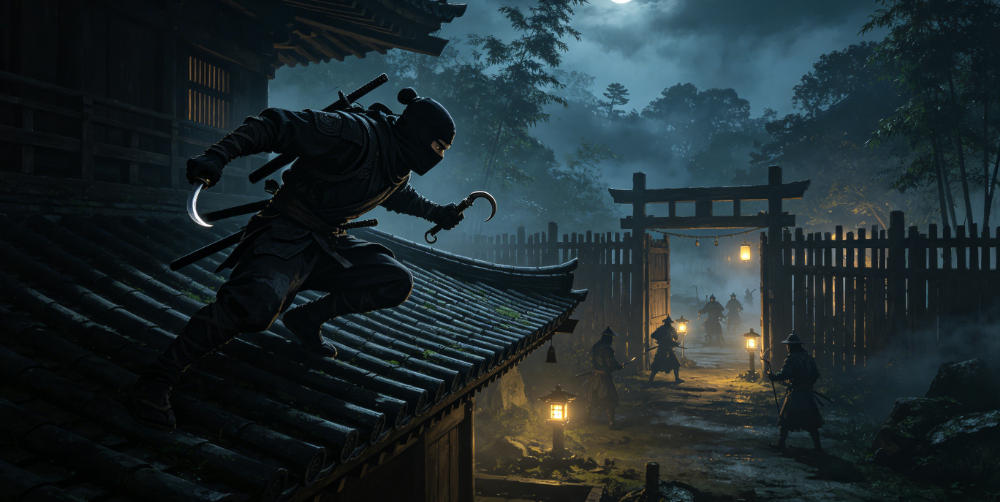
The debate of Ninja vs Samurai has fascinated people around the world for decades. Movies, anime, manga, and video games often portray these two legendary Japanese warriors as completely opposite figures: the samurai as an honorable sword master wearing armor and carrying a Katana, and the ninja as a mysterious shadow warrior skilled in stealth and secret techniques.
However, the real history of Samurai vs Ninja is much more complex. These two groups were not simply enemies competing to prove who was stronger. They represented different roles within Japanese warfare, with different training methods, combat strategies, and responsibilities.
The Samurai was a member of Japan’s warrior class, serving feudal lords and fighting in organized battles. The Ninja, also known as Shinobi, specialized in intelligence gathering, infiltration, reconnaissance, and unconventional warfare. While samurai focused on open combat and military discipline, shinobi relied on strategy, information, adaptability, and secrecy.
Understanding the difference between ninja and samurai requires looking beyond popular legends and exploring the history, weapons, and combat styles that shaped these famous Japanese warriors.
Samurai: The Elite Warriors of Feudal Japan
The Samurai was one of the most important social classes in Japanese history. Emerging as powerful military retainers during the medieval period, samurai served daimyo (feudal lords) and protected their territories through warfare and administration.
A samurai was not simply a swordsman. Samurai warriors were trained in multiple forms of combat, including swordsmanship, archery, horseback riding, spear fighting, and battlefield tactics.
The image most people associate with samurai is the warrior wearing traditional Japanese armor and carrying a curved Katana sword. Although the katana became the most famous symbol of samurai culture, samurai also used many other weapons, including the Wakizashi, Yari spear, Naginata, and bows.
Samurai training emphasized discipline, loyalty, strategy, and personal conduct. These ideals later became connected with the concept of Bushido, often translated as the 'way of the warrior.‘ Although Bushido developed over different historical periods, it represents many values associated with samurai culture, including courage, responsibility, honor, and loyalty.
During Japan’s Sengoku period, when rival clans constantly fought for power, samurai became highly skilled battlefield commanders and warriors. Their role was not only to fight but also to lead armies, manage territories, and serve their lords.

Ninja: The Hidden Warriors of Japan
Unlike samurai, who were recognized members of the warrior class, Ninja, or Shinobi, were specialists in covert operations.
The popular image of a ninja dressed completely in black, disappearing in smoke, and performing supernatural techniques mainly comes from modern entertainment. Historical shinobi were much more practical. Their greatest weapons were intelligence, patience, observation, and preparation.
Ninja were often hired by powerful leaders to perform missions such as:
- Gathering information about enemy forces
- Infiltrating castles
- Conducting reconnaissance
- Delivering secret messages
- Creating distractions
- Performing sabotage operations
The art commonly associated with ninja is called Ninjutsu, which focused on survival skills, stealth movement, environmental awareness, and unconventional tactics.
A successful ninja mission did not always involve defeating enemies in combat. Often, the most successful shinobi was the one who completed the mission without ever being discovered.
This is one of the biggest differences when comparing Ninja vs Samurai. The samurai sought victory through visible strength and battlefield skill, while the ninja sought victory through strategy, information, and surprise.
Ninja Training vs Samurai Training: How Were They Different?
The biggest difference between Ninja Training and Samurai Training was their purpose.
Samurai training prepared warriors for direct confrontation. Ninja training prepared specialists for hidden operations.
Samurai Training and Combat Discipline
Samurai training focused heavily on martial skills. Young warriors practiced sword techniques, archery, horseback riding, and battlefield strategies.
Swordsmanship, known as Kenjutsu, was one of the most important skills for samurai. Through years of practice, warriors learned timing, distance control, cutting techniques, and tactical decision-making.
A samurai also needed to understand military strategy. During large battles, samurai commanders organized troops, controlled formations, and made decisions that affected entire armies.
Their training developed warriors who could fight individually while also contributing to large-scale warfare.
Ninja Training and Shinobi Skills
Ninja training focused on flexibility and adaptability.
Instead of preparing only for direct combat, shinobi learned skills useful for survival and intelligence missions, including:
- Silent movement
- Disguise techniques
- Navigation
- Climbing
- Observation
- Escape methods
- Survival skills
A ninja needed to understand environments deeply. A castle, forest, mountain path, or village could all become part of their strategy.
The greatest advantage of a ninja was not physical strength but the ability to create opportunities through knowledge and preparation.
Samurai vs Ninja Combat Style: Open Battle vs Hidden Warfare
When comparing Samurai vs Ninja combat styles, the main difference is the approach to conflict.
Samurai combat was based on direct engagement. A samurai warrior entered battle openly, using armor, weapons, and training to defeat opponents through skill and strength.
Ninja combat focused on avoiding unnecessary confrontation. Shinobi preferred gaining an advantage before fighting began.
A ninja might use:
- Surprise attacks
- Distraction techniques
- Environmental advantages
- Psychological tactics
- Quick escapes
A samurai might rely on:
- Swordsmanship
- Armor protection
- Battlefield formations
- Weapon mastery
- Military experience
Neither style was universally superior. They were created for different situations.
A question like 'who would win ninja or samurai?' depends on the environment, preparation, weapons, and objectives. A battlefield and a covert mission require completely different skills.
Ninja Weapons vs Samurai Weapons
Weapons are another major difference between these two Japanese warrior traditions.
Samurai Weapons
The most famous samurai weapon is the Katana, a curved single-edged sword known for its craftsmanship and cultural importance.
However, samurai used many weapons depending on the era and battlefield situation.
Common samurai weapons included:
- Katana
- Wakizashi
- Tanto dagger
- Yari spear
- Naginata
- Japanese bow
The katana became especially important as a symbol of samurai identity. Many famous Japanese sword traditions focused on creating blades that combined sharpness, strength, and artistic beauty.
Ninja Weapons
Popular culture often exaggerates ninja weapons, but several tools became strongly associated with shinobi.
Commonly recognized ninja weapons include:
Shuriken: Small throwing weapons often used for distraction or tactical purposes.
Kunai: A multipurpose tool associated with ninja imagery, although historically it was not simply a throwing weapon.
Tanto: A short Japanese dagger useful in close-range situations.
Ninjato: The straight-bladed ninja sword commonly seen in modern media. However, historians debate whether a standardized historical ninjato actually existed.
The difference between ninja and samurai weapons reflects their different missions. Samurai weapons were primarily designed for battlefield combat, while ninja tools emphasized mobility, concealment, and practicality.

Samurai Armor vs Ninja Equipment
Another important difference between these warriors was protection.
Traditional Samurai Armor was designed for battlefield survival. Armor sets such as Tosei Gusoku and earlier Japanese armor styles protected important areas of the body while allowing movement.
A complete samurai armor set could include:
- Kabuto helmet
- Do chest armor
- Sode shoulder guards
- Kote arm protection
- Haidate leg protection
Armor also displayed identity. Samurai helmets and armor decorations often showed clan symbols, status, and personal style.
Ninja equipment followed a different philosophy. Since stealth was essential, shinobi generally avoided heavy armor that would limit movement.
Their equipment focused on:
- Lightweight tools
- Concealment
- Mobility
- Practical survival
The contrast between samurai armor and ninja equipment perfectly represents their different approaches to warfare.
Were Ninjas and Samurai Enemies?
Many modern stories show ninjas and samurai as natural enemies, but historical reality was more complicated.
In many cases, shinobi operated within the same political systems controlled by samurai leaders. Daimyo often used intelligence specialists to gather information about rivals and strengthen their military strategies.
A samurai commander could need both:
- Warriors for open battles
- Shinobi for intelligence missions
Rather than being opposite groups, they were different parts of Japan’s military system.
The relationship between Shinobi vs Samurai was therefore not always about conflict. Both contributed to the success of powerful clans during Japan’s feudal era.
Ninja vs Samurai in Anime, Movies, and Games
The popularity of Ninja vs Samurai battles comes largely from modern entertainment.
Anime, movies, and video games have transformed these historical figures into global icons.
The ninja is often portrayed as:
- Mysterious
- Fast
- Invisible
- Highly skilled
- Connected with secret techniques
The samurai is often portrayed as:
- Honorable
- Disciplined
- Powerful
- Skilled with the katana
- Guided by warrior principles
Although these images are sometimes exaggerated, they have introduced millions of people to Japanese history, martial arts, and traditional weapons.
Characters inspired by samurai and ninja appear throughout popular culture, making these two warrior traditions some of the most recognizable symbols of Japan.
Ninja vs Samurai: Who Was the Better Warrior?
The question of whether a ninja or samurai was stronger does not have a simple answer.
A samurai was trained to fight openly, command troops, and survive battlefield conflicts. Their strength came from discipline, weapons mastery, armor, and military experience.
A ninja was trained to gather information, move unseen, and complete missions through strategy and deception. Their strength came from preparation, adaptability, and intelligence.
If placed in a large battlefield, a trained samurai would have advantages because that was the environment they were designed for.
If placed in a covert mission requiring infiltration and information gathering, a shinobi would have advantages because those were their specialties.
The true difference between ninja and samurai is not about who was stronger. It is about how each warrior adapted to different challenges.
The Legacy of Ninja and Samurai
Today, both ninja and samurai remain powerful symbols of Japanese culture.
The samurai represents discipline, swordsmanship, and warrior tradition. The ninja represents intelligence, adaptability, and strategic thinking.
From the legendary Katana sword to the mysterious techniques of Ninjutsu, these warriors continue to inspire historians, collectors, martial artists, and fans around the world.
The story of Ninja vs Samurai is ultimately not a story of two enemies. It is a story of two different approaches to warfare: one based on visible strength and honor, the other based on information and strategy.
Together, they reveal the complexity and richness of Japan’s warrior history.
