Sword Cane Guide: History, Types & How to Choose the Best Cane Sword
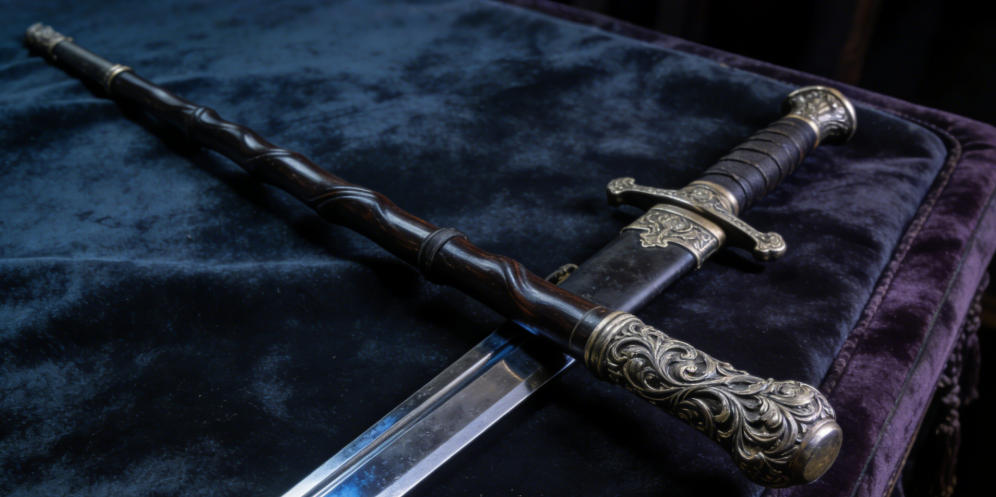
What Is a Sword Cane and How Do You Choose the Best Walking Stick Sword?
What Is a Sword Cane? Meaning, Definition, and Modern Popularity
A sword cane, also known as a cane sword, walking stick sword, or concealed blade cane, is a hybrid design that combines a functional walking cane with a hidden blade inside. At first glance, it looks like an ordinary walking stick, but it discreetly conceals a sword or dagger within its shaft.
In recent years, searches such as what is a sword cane, cane sword for sale, walking stick with hidden sword, and best concealed cane sword for self defense have become increasingly popular. This reflects growing interest in both historical weapons and modern self-defense tools.
The appeal of the sword cane lies in its unique balance between elegance, practicality, and concealment. It serves as both a mobility aid and a discreet defensive tool, making it one of the most intriguing concealed weapons in history.
The History of the Sword Cane: From Aristocratic Fashion to Concealed Weapon
The history of the sword cane dates back to Europe between the 17th and 19th centuries, when walking canes became essential accessories for gentlemen. At that time, canes symbolized status, wealth, and refinement, especially among the upper class.
As urban environments became more dangerous, the idea of integrating a hidden blade into a walking stick emerged. This led to the development of the cane sword, a discreet self-defense tool that allowed gentlemen to protect themselves without openly carrying a weapon.
Sword canes were especially popular in cities like London and Paris, where concealed weapons were sometimes preferred over visible swords. They became associated with Victorian gentleman culture, espionage figures, and even military officers seeking discreet protection.

Anatomy of a Sword Cane: How It Is Designed and Built
A typical sword cane consists of two main components: the outer walking stick and the concealed blade inside.
The outer shaft is usually crafted from materials such as hardwood, metal alloys, or reinforced composites. High-quality walking stick swords often use ebony, rosewood, or aluminum for durability and aesthetic appeal. The design ensures it functions as a stable cane for walking support while maintaining the illusion of a normal accessory.
Inside the cane is the hidden blade. Depending on design and purpose, the blade can vary in style and length. Some feature dagger-style blades for compact concealment, while others resemble slim rapier-style swords designed for thrusting. Modern versions may use stainless steel or high-carbon steel for strength and corrosion resistance.
At the top of the cane is the handle, which often doubles as the hilt. Some designs include decorative engravings, metal finishes, or ergonomic grips to enhance both appearance and usability.
Types of Sword Canes: From Self-Defense Tools to Collector Items
Sword canes come in several categories depending on their purpose and craftsmanship.
The self-defense sword cane is designed for practical use. These models focus on quick accessibility, durable construction, and reliable locking mechanisms. They are often lightweight yet strong, making them suitable for personal protection in certain legal environments.
Collector sword canes prioritize craftsmanship and design. These often feature detailed carvings, antique-style finishes, or Damascus steel blades. Many collectors search for antique cane swords, Victorian-style walking stick swords, and handmade concealed blade canes for display purposes.
Modern tactical cane swords combine contemporary materials with traditional design. These versions often use reinforced steel, aluminum alloys, or carbon fiber for improved durability. They are popular among enthusiasts searching for modern concealed walking stick weapons and tactical self-defense canes.
How Sword Canes Are Used Today
Although originally designed for self-defense, sword canes today are used in a variety of contexts.
Collectors often display them as part of historical weapon collections or decorative pieces. They are also popular in cosplay, film props, and historical reenactments where authenticity and visual impact are important.
In martial arts demonstrations and training scenarios, cane swords may be used to showcase concealed weapon techniques and historical combat styles. Some enthusiasts also appreciate them as fashion accessories inspired by Victorian and steampunk aesthetics.
Are Sword Canes Legal? Important Considerations Before Buying
One of the most frequently asked questions is whether sword canes are legal. The answer depends heavily on local laws and regulations.
In many regions, cane swords are classified as concealed weapons because the blade is hidden inside a walking stick. This means ownership may be allowed, but public carry could be restricted or prohibited.
Laws vary significantly depending on country and jurisdiction. Some places allow walking stick swords for private collection, while others restrict or ban concealed blade devices entirely. Anyone interested in purchasing a sword cane should always check local weapon laws before buying or carrying one.

How to Choose the Perfect Sword Cane
Choosing the right sword cane depends on purpose, quality, and design preferences.
The first factor is intended use. If the cane is for self-defense, durability and reliability are essential. If it is for collecting, craftsmanship and aesthetic value become more important. For cosplay or display, lightweight and visually striking designs may be preferred.
Material is another important consideration. High-carbon steel blades offer strength and sharpness, while stainless steel provides better corrosion resistance. Damascus steel is often chosen for premium collector models due to its distinctive patterned appearance.
The cane structure itself must also be strong enough to support body weight if used as a walking aid. A well-designed cane sword should balance both concealment and structural integrity.
Finally, the hidden mechanism is critical. A high-quality sword cane should have a secure locking system, smooth blade release, and stable internal alignment to ensure safety and usability.
Sword Cane vs Regular Walking Cane: Key Differences
A regular walking cane is designed purely for mobility support, focusing on comfort, stability, and ergonomic use.
A sword cane, on the other hand, combines functionality with concealment. It serves both as a walking aid and a hidden defensive tool. This dual-purpose design makes it more complex in structure and more specialized in purpose.
While walking canes are commonly used for health and support reasons, cane swords are often associated with historical weapons, collector items, and decorative craftsmanship.
Conclusion: Why the Sword Cane Remains Fascinating Today
The sword cane continues to attract interest from collectors, history enthusiasts, and self-defense researchers because of its unique combination of elegance and functionality.
From its origins in Victorian Europe to its modern role as a collectible concealed weapon, the cane sword represents a fascinating blend of fashion, utility, and history.
Whether explored as a historical artifact, a tactical design, or a collector’s piece, the sword cane remains one of the most iconic examples of concealed weapon engineering, maintaining strong search interest worldwide in topics like walking stick sword, cane sword guide, and best sword cane collection pieces.
