Why Did the Samurai Disappear? History of Japan’s Warriors
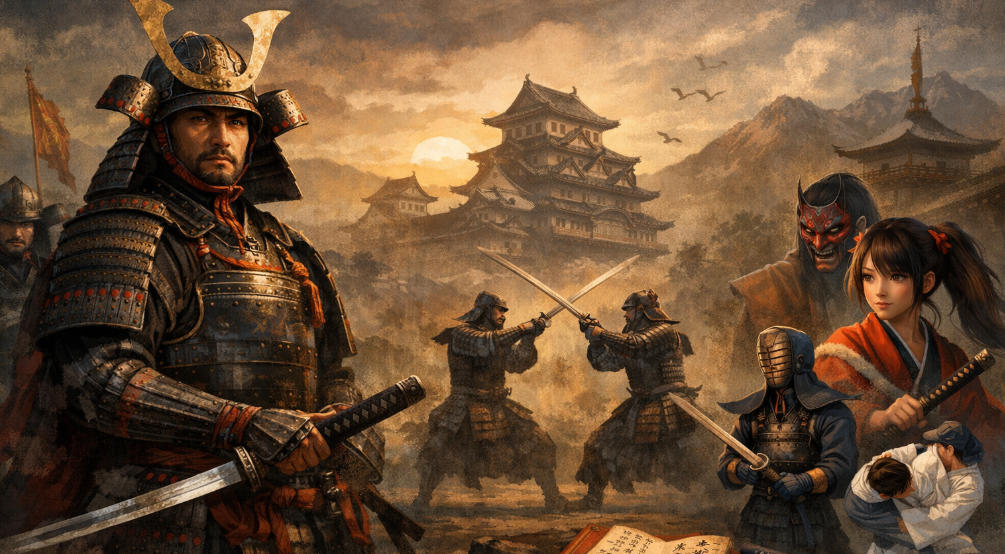
Why Did the Samurai Disappear and Does Their Legacy Still Exist Today?
The samurai are among the most iconic warrior classes in world history. Known for their loyalty, discipline, martial skill, and devotion to the Bushido code, samurai shaped Japan’s military, political, and cultural identity for centuries. Yet despite their legendary status, the samurai class eventually disappeared during Japan’s modernization.
So why did the samurai vanish? And why does their influence still remain so powerful in modern Japan and global culture?
Today, searches for terms such as samurai history, why did samurai disappear, Bushido meaning, Japanese warrior culture, and do samurai still exist continue to generate massive global interest. From anime and films to martial arts and katana collecting, the legacy of the samurai remains deeply influential.
This article explores:
- The origins and rise of the samurai class
- The decline of feudal Japan’s warrior system
- The impact of the Meiji Restoration
- The lasting influence of Bushido philosophy
- Why samurai culture still survives today
Who Were the Samurai?
The samurai were Japan’s elite warrior class during the feudal era. Emerging during the late Heian period, they originally served noble families and regional lords as armed retainers responsible for protection, military service, and land control. Over time, they evolved into the dominant military and political force in Japan.
The word 'samurai' comes from the Japanese verb meaning 'to serve.' However, samurai eventually became far more than servants. They became military nobility, administrators, strategists, and symbols of Japanese warrior culture.
Throughout the Kamakura, Muromachi, Sengoku, and Edo periods, samurai controlled much of Japan’s political structure and military power.
They were famous for:
- Mastery of swordsmanship and martial arts
- Loyalty to their daimyo lords
- Strict social discipline
- Ethical principles rooted in Bushido
- The use of iconic weapons like the katana
Today, keywords like samurai warriors, history of samurai, Japanese knights, and samurai sword culture remain highly searched worldwide.

The Rise of Samurai Power in Japan
The rise of the samurai was closely tied to the weakening of Japan’s imperial court.
During the late Heian period, regional clans gained military power as central authority declined. Armed warrior families became increasingly important for maintaining order and defending territory.
This shift eventually led to the rise of powerful military governments known as shogunates.
One of the most important turning points was the Genpei War, fought between the Taira and Minamoto clans. After victory, Minamoto no Yoritomo established the Kamakura Shogunate, creating Japan’s first samurai-led government.
From this point forward, the samurai became:
- Japan’s military elite
- Political rulers
- Land administrators
- Guardians of feudal order
The samurai system would dominate Japan for nearly 700 years.
The Bushido Code and Samurai Philosophy
Central to samurai culture was the Bushido code, often translated as 'The Way of the Warrior.'
Bushido emphasized:
- Honor
- Loyalty
- Courage
- Self-discipline
- Respect
- Duty
- Moral integrity
For samurai, warfare was not simply about combat skill. A true warrior was expected to cultivate both martial ability and spiritual discipline.
Bushido deeply influenced:
- Samurai conduct
- Japanese ethics
- Martial arts philosophy
- Social hierarchy
- Concepts of personal honor
Even today, searches for Bushido meaning, samurai code, and way of the warrior philosophy remain extremely popular online.
Why Did the Samurai Disappear?
Although the samurai once dominated Japan, multiple historical changes gradually weakened their role.
1. Long Periods of Peace
During the Edo period under the Tokugawa Shogunate, Japan entered more than 250 years of relative peace.
Without constant warfare, samurai were no longer needed primarily as battlefield warriors. Many transitioned into bureaucrats, officials, scholars, and administrators.
As a result:
- Combat skills became less essential
- Military culture became ceremonial
- Economic pressure weakened many samurai families
2. Economic Problems
Many samurai relied on fixed stipends from their lords. As Japan’s economy evolved, inflation and financial instability reduced the value of these payments.
Merchant classes gained wealth while many samurai struggled financially.
This shift weakened the traditional feudal system that supported the samurai class.
3. The Meiji Restoration
The greatest turning point came during the Meiji Restoration in the late 19th century.
Japan rapidly modernized in response to foreign pressure and internal political change. The government sought to create a centralized modern nation-state.
Major reforms included:
- Abolishing feudal domains
- Ending samurai privileges
- Creating a national conscription army
- Banning public sword carrying
- Eliminating hereditary warrior status
By the 1870s, the samurai class officially ceased to exist as a legal social order.

Did the Samurai Truly Disappear?
Although the samurai disappeared institutionally, their cultural and spiritual influence never fully vanished.
In many ways, the samurai transformed rather than disappeared.
Modern Japan still reflects samurai influence through:
- Martial arts
- Corporate ethics
- Education systems
- Traditional arts
- Literature and cinema
- Cultural concepts of discipline and respect
This is why searches like do samurai still exist, modern samurai, and samurai descendants in Japan remain highly searched topics today.
Samurai Influence on Modern Martial Arts
Many modern Japanese martial arts evolved directly from samurai combat systems.
Kendo
Derived from traditional swordsmanship, Kendo preserves samurai sword techniques and mental discipline.
Iaido
Iaido focuses on the fast-draw techniques once practiced by samurai warriors.
Aikido
Aikido emphasizes control, balance, and redirecting force rather than brute aggression.
Judo and Karate
While adapted for modern practice, these arts still preserve values connected to Bushido and samurai discipline.
Globally, interest in Japanese martial arts, katana training, and samurai sword techniques continues to grow.
Samurai in Popular Culture
The image of the samurai has become one of the world’s most recognizable cultural symbols.
Samurai appear constantly in:
- Anime
- Movies
- Video games
- Manga
- Historical dramas
- Fantasy fiction
Modern audiences are fascinated by samurai because they represent:
- Honor and discipline
- Master swordsmen
- Warrior philosophy
- Loyalty and sacrifice
- Conflict between duty and emotion
Classic samurai films and modern gaming franchises have transformed samurai into global cultural icons.
Today, terms such as best samurai movies, samurai anime, samurai games, and legendary samurai warriors generate huge search traffic worldwide.
The Global Fascination With Samurai Culture
One reason samurai culture remains so influential is because it combines multiple powerful themes:
- Martial skill
- Spiritual philosophy
- Historical drama
- Traditional craftsmanship
- Heroic symbolism
The samurai sword, especially the katana, has become a worldwide symbol of precision, artistry, and warrior identity.
Collectors, martial artists, historians, and pop culture fans continue to study samurai history and Bushido philosophy as both historical subjects and personal inspiration.
This enduring fascination explains why samurai culture remains deeply relevant centuries after the end of feudal Japan.
Conclusion: The Samurai May Be Gone, but Their Spirit Endures
The samurai class officially disappeared during the Meiji Restoration, but their legacy continues to shape modern culture around the world.
From Bushido ethics to martial arts and global entertainment, samurai influence remains embedded in:
- Japanese identity
- Historical studies
- Popular media
- Sword culture
- Warrior philosophy
The samurai were far more than medieval soldiers. They became enduring symbols of discipline, honor, courage, and cultural tradition.
For this reason, although the samurai no longer exist as a social class, their spirit continues to survive across history, martial arts, cinema, literature, and modern imagination.
