Zweihander Sword Guide: German Greatsword History & Combat
- von liqinliqin
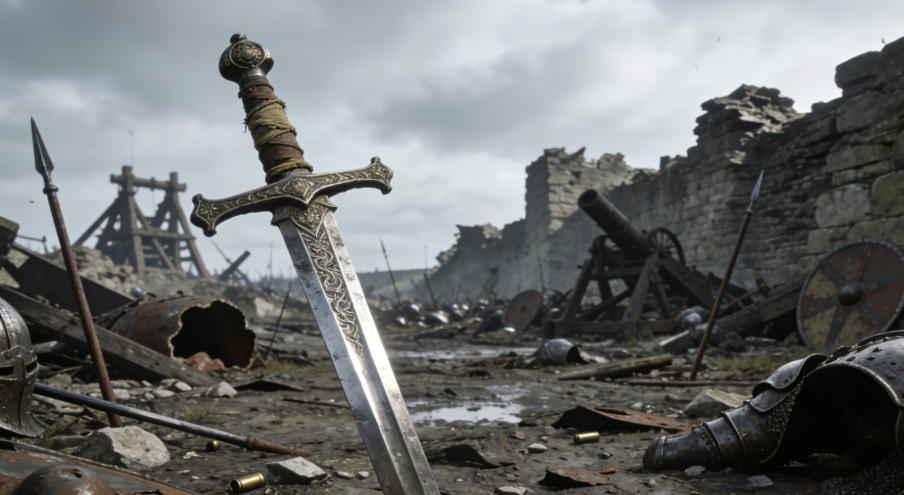
What Made the Zweihander Sword So Powerful in Renaissance Warfare?
The Zweihander sword is one of the most iconic weapons in European military history. Known as the legendary German two-handed sword, the Zweihander became a symbol of strength, elite combat skill, and battlefield dominance during the Renaissance. With its enormous blade, intimidating appearance, and devastating power, the Zweihänder remains one of the most recognizable greatswords ever forged.
For historians, collectors, medieval weapon enthusiasts, and gamers, the Zweihander represents the ultimate image of a massive fantasy-style sword that actually existed in real combat. From historical battlefields to modern RPG games and fantasy films, the German greatsword continues to capture attention around the world.
Its combination of reach, power, and intimidating presence made it a feared weapon among soldiers and mercenaries during the fifteenth and sixteenth centuries. Even today, searches for terms like 'greatsword,' 'German two-handed sword,' 'Renaissance sword,' and 'Zweihander combat techniques' continue growing among weapon enthusiasts and gaming communities.
What Is a Zweihander Sword?
The word Zweihander literally means 'two-hander' in German. The weapon is also known by several names, including:
- Doppelhänder
- Beidhänder
- German greatsword
- Renaissance two-handed sword
Unlike standard medieval swords, the Zweihander was designed specifically for two-handed combat. These enormous swords often measured between 5 and 7 feet in total length, making them significantly larger than ordinary longswords. Despite their size, properly balanced Zweihanders were surprisingly agile in the hands of trained fighters.
The sword became especially associated with the famous Landsknecht mercenaries of Germany, elite soldiers known for their colorful clothing, aggressive tactics, and mastery of massive weapons. Certain elite fighters called Doppelsöldners received extra pay for wielding Zweihanders in dangerous frontline combat.

Origins and History of the Zweihander
The Zweihander sword evolved from earlier European longswords during the late Middle Ages. As warfare changed during the Renaissance, infantry formations became more important, especially dense formations using long pikes and spears.
Traditional swords struggled against tightly packed infantry lines, so larger weapons were developed to counter these formations. The Zweihander emerged as a specialized battlefield weapon capable of disrupting enemy ranks and creating openings during combat.
The weapon reached peak popularity during the fifteenth and sixteenth centuries, particularly during the Italian Wars and conflicts involving the Holy Roman Empire. German mercenaries carrying these giant swords gained legendary reputations across Europe.
As firearms gradually became more common, the practical battlefield role of the Zweihander declined. By the seventeenth century, many surviving examples were used mainly for ceremonial purposes, palace guards, or military displays.
Design and Features of the Zweihander
The design of the German two-handed sword was both functional and intimidating. Every part of the weapon was created to maximize reach, leverage, and cutting power.
Massive Blade Length
Most Zweihanders featured blades ranging from 140 to over 180 centimeters. Some ceremonial versions were even larger. The long reach allowed fighters to attack enemies before they entered striking range.
Two-Handed Grip
The extended handle allowed warriors to generate enormous cutting force while maintaining control during wide swings and thrusts.
Parrying Hooks
One of the signature features of the Zweihander was the set of side hooks near the base of the blade, called parrying hooks. These helped catch or deflect enemy weapons during combat.
Ricasso Section
The unsharpened section above the guard, called the ricasso, allowed fighters to grip the blade safely for improved leverage and close-quarters techniques.
Flamberge Variants
Some Zweihanders featured wavy blades known as Flamberge or Flammenschwert designs. These flame-shaped blades became extremely popular in fantasy games and historical collections due to their striking appearance.
How the Zweihander Was Used in Battle
The Zweihander was not simply a giant sword swung wildly on the battlefield. Skilled users employed sophisticated techniques that required training, discipline, and physical strength.
Breaking Pike Formations
One of the main purposes of the Zweihander was to disrupt enemy pike formations. Soldiers wielding these swords would attempt to knock aside, cut through, or create openings in long spear walls so allied troops could advance.
Wide Sweeping Attacks
The long blade allowed fighters to perform broad horizontal strikes capable of controlling large areas around them.
Defensive Weapon Control
The parrying hooks and long reach made the sword effective for deflecting incoming weapons and controlling engagement distance.
Psychological Warfare
The sheer size of the Zweihander had an enormous psychological effect on enemy troops. Facing heavily armored mercenaries carrying giant swords often lowered enemy morale before combat even began.
Was the Zweihander Actually Effective?
Modern audiences sometimes assume giant swords were impractical fantasy weapons, but historical evidence suggests the Zweihander was highly effective when used correctly.
Contrary to popular myths, most combat-ready Zweihanders were not impossibly heavy. Many functional battlefield versions weighed between 2 and 4 kilograms, making them manageable for trained soldiers.
The weapon excelled in:
- Formation disruption
- Crowd control
- Long-range melee combat
- Intimidation tactics
- Defensive spacing
However, the sword also had limitations. It required extensive training, physical conditioning, and open space to use effectively. In cramped environments or against highly mobile opponents, smaller weapons often held advantages.

Craftsmanship and Forging Techniques
Creating a Zweihander sword required exceptional blacksmithing skill. Renaissance swordsmiths carefully forged each blade using high-quality steel designed to balance flexibility, sharpness, and durability.
The forging process involved repeated heating, hammering, and tempering to strengthen the blade. Decorative guards, leather grips, engravings, and ornate pommels were often added to reflect the owner’s status or military rank.
Because each weapon was handcrafted, no two Zweihanders were exactly identical. Many surviving historical examples are now displayed in museums and private collections around the world.
Zweihander vs Longsword
Although the two weapons are related, there are major differences between a Zweihander and a standard longsword.
| Weapon | Average Length | Weight | Combat Style |
|---|---|---|---|
| Longsword | 3–4 feet | Lightweight to moderate | Fast, versatile combat |
| Zweihander | 5–7 feet | Heavier | Formation control and powerful sweeping attacks |
The Zweihander focused more on battlefield dominance and area control, while longswords offered greater versatility for duels and faster engagements.
Zweihander in Games and Popular Culture
The Zweihander greatsword has become incredibly popular in modern fantasy media. RPG games, anime, and fantasy films frequently feature oversized swords inspired by historical German two-handed weapons.
Gamers especially recognize the weapon from fantasy action games where giant swords symbolize strength-based combat builds and high-damage playstyles. Online communities often discuss topics like:
- Best greatswords in fantasy games
- Historical greatsword combat
- Real-life Zweihander techniques
- Flamberge vs Zweihander
- German greatsword history
Reddit communities and gaming forums frequently compare historical Zweihanders to fantasy-inspired giant swords appearing in modern RPGs and medieval combat games.
Why the Zweihander Still Fascinates People Today
Few historical weapons combine real battlefield use, visual impact, and legendary reputation as successfully as the Zweihander. It represents the peak of Renaissance-era melee weapon design and continues inspiring historians, collectors, martial artists, blacksmiths, and fantasy creators.
The weapon’s enormous size, elegant craftsmanship, and association with elite mercenary warriors give it an almost mythical status among sword enthusiasts. Whether displayed in museums, recreated by blacksmiths, or featured in fantasy media, the German two-handed sword remains one of the most admired weapons in history.
Conclusion
The Zweihander sword stands as one of the most legendary weapons of the Renaissance. Designed for power, reach, and battlefield disruption, it became the signature weapon of elite German mercenaries and a symbol of martial strength throughout Europe.
Its influence continues today through historical studies, weapon collections, fantasy games, and modern sword culture. From the battlefields of the sixteenth century to modern gaming communities, the Zweihander remains the ultimate symbol of the giant two-handed greatsword.
For weapon enthusiasts and historians alike, the Zweihander is more than just a sword — it is a lasting icon of European martial history and Renaissance warfare.
