Bident of Hades Explained: History, Mythology & Ancient Greek Warfare
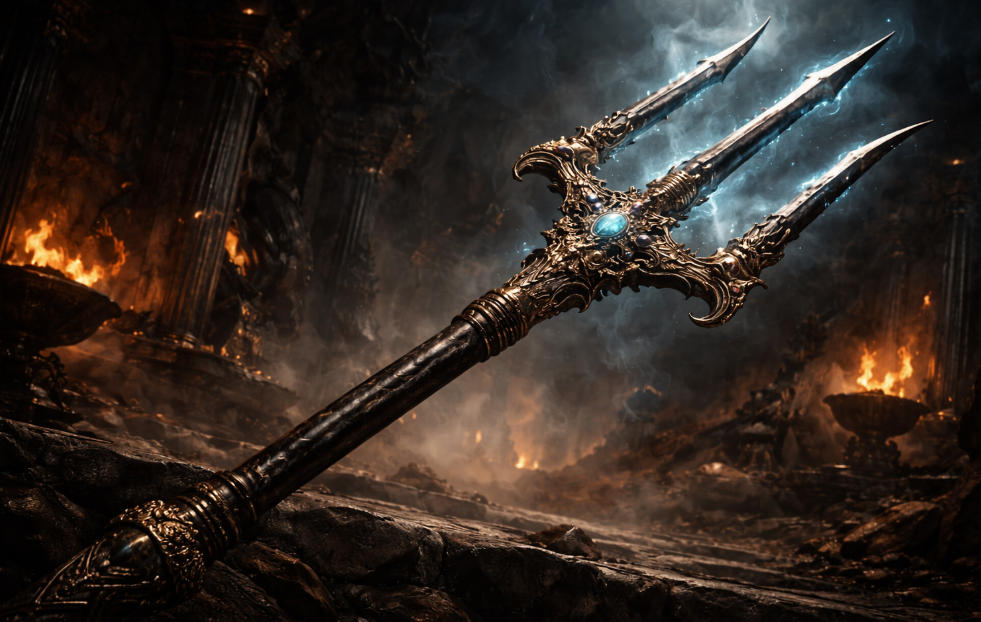
What Is the Bident of Hades and How Was It Used in Ancient Greek Warfare?
The bident, a fascinating and mysterious weapon of the ancient world, is famously associated with Hades, the Greek god of the underworld. Often overshadowed by the trident wielded by Poseidon, the two-pronged bident holds a unique place in Greek mythology, classical art, and the study of ancient Greek weapons. Today, it continues to captivate historians, collectors, and enthusiasts of mythology-inspired weapons, symbolizing divine authority, the power of the afterlife, and ritualistic practices in ancient warfare.
What Is a Bident?
A bident is a type of polearm with two pointed prongs, smaller but no less significant than a trident. Unlike the trident, which is tied to the seas and Poseidon, the bident is uniquely linked to Hades and his dominion over the underworld. Mythologically, the bident represents control over life and death, often depicted in ancient pottery, sculptures, and classical artwork showing Hades as a solemn yet powerful deity.
Beyond mythology, the bident reflects ancient combat and ceremonial tools, showing the duality of functionality and symbolism. Scholars of ancient Greek polearms argue that the bident might have influenced certain practical two-pronged tools used in hunting and combat, highlighting its dual purpose in both legend and real-world applications.

Bident in Greek Mythology
In Greek myths, Hades’ bident is a symbol of ultimate authority over the dead. Although literary references are limited, its presence in classical art—from red-figure vases to intricate mosaics—reinforces its status as a divine instrument. The bident is more than a weapon; it is a marker of Hades’ role as the ruler of the underworld, often depicted alongside Cerberus, the three-headed guardian of the dead.
Unlike the trident, associated with the oceans and navigation, the bident embodies the power of the afterlife, highlighting the Greek focus on divine symbolism in everyday objects. Collectors of Greek mythology weapons often study these representations to understand the cultural and spiritual significance of such items.
Historical and Practical Use of the Bident
While much of its fame comes from mythology, the bident or two-pronged polearms were used in various practical contexts in antiquity:
- Combat Applications: Scholars suggest that the two-pronged design could trap enemy weapons, hook shields, or immobilize opponents, similar to the use of ancient polearms in phalanx formations.
- Ceremonial Use: Beyond combat, the bident may have been used in rituals honoring the gods, particularly Hades, reinforcing its symbolic authority in Greek culture.
- Fishing and Hunting Origins: Some evidence points to early versions of the bident being adapted from farming or fishing tools, later stylized into ceremonial and mythical representations.
Modern Greek weapon replicas, including bidens, are often crafted to reflect both historical design and mythological symbolism, making them highly prized among collectors and educators alike.
Bident vs. Trident: Understanding the Differences
Though similar in appearance, the bident and trident serve distinct roles in ancient Greek mythology:
- Number of Prongs: The bident has two prongs; the trident has three.
- Associated Deities: The bident belongs to Hades, the ruler of the underworld, while the trident belongs to Poseidon, god of the seas.
- Symbolic Meaning: The bident signifies death, power, and underworld dominion; the trident symbolizes sea mastery, navigation, and natural forces.
These differences are crucial for historians, collectors of ancient Greek weapons, and enthusiasts of mythology-inspired replicas, helping distinguish between mythological and historical contexts.

Modern Interest in Bidents
Interest in the bident of Hades has surged due to popular culture, fantasy games, and mythology-inspired movies. Collectors, cosplayers, and educators seek high-quality Greek weapon replicas, including bidens, for both display and educational purposes. Modern replicas often feature:
- Authentic designs inspired by ancient art and archaeological findings
- Durable materials like stainless steel or high-carbon alloys
- Display-friendly craftsmanship, perfect for museums, home collections, or cosplay events
Fans often pair the bident with other mythological weapons, such as tridents, spears, and ceremonial swords, creating a full Greek mythology weapon collection that merges history, legend, and aesthetic appeal.
Cultural Legacy of the Bident
Though overshadowed by more famous weapons like the trident, the bident holds a unique place in ancient mythology and Greek history. It represents:
- Divine authority over the underworld
- Symbolism in ritualistic practices
- Influence on ancient polearm design
From a collector’s perspective, owning a bident replica allows enthusiasts to connect with Greek mythology, explore historical warfare techniques, and enjoy the artistic craftsmanship inspired by ancient legends.
Whether for educational purposes, cosplay, or display in a mythology collection, the bident of Hades continues to fascinate fans and historians alike, standing as a timeless emblem of Greek culture, mythology, and ancient warfare.
