Sword Symbolism Explained: Power, Justice, and Legendary Blades
What Do Swords Symbolize in History, Mythology, and Legendary Blades?
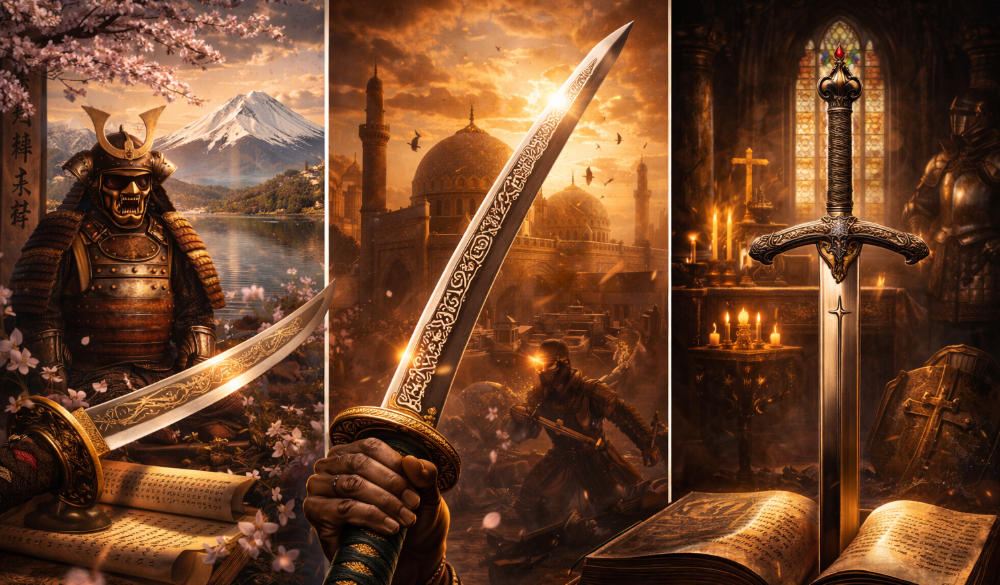
Throughout history, swords have held a unique place not only as weapons of war but also as profound symbols of power, justice, and personal honor. From legendary katanas of Japan to European longswords and ceremonial blades, every sword carries deeper meaning beyond its steel edge. Understanding the symbolism of swords provides insight into cultural values, historical warfare, and the human fascination with mythical and collectible swords.
The Sword as a Symbol of Power
Swords have long represented authority and strength. In medieval Europe, knights carried longswords as a sign of noble power and military skill, while in Japan, the katana was more than a weapon—it embodied a samurai's honor, discipline, and societal status. Across cultures, swords convey dominance, courage, and the ability to uphold or challenge authority.
- Historical context: Kings and warriors displayed their swords in ceremonial events to demonstrate their rule and influence.
- Cultural significance: Owning a sword often reflected social rank, leadership, and personal prestige. From ceremonial swords to practical battle-ready swords, these blades were a measure of power and respect.
Even in literature, swords are often portrayed as extensions of authority, such as the legendary Excalibur, symbolizing divine right and the strength of its wielder. Collectors of legendary swords often seek replicas that reflect this blend of power, history, and artistic design.

Swords and Justice
The sword as a symbol of justice has been central in many societies. Famous depictions, like the sword of Damocles or the scales held alongside a sword in legal iconography, illustrate how blades represent moral authority and fairness.
- Medieval courts and knights: Knights swore oaths over swords, signifying their commitment to uphold law and righteousness.
- Ceremonial swords: Even today, ceremonial swords are used in military parades, judicial events, and religious rituals, emphasizing fairness and ethical responsibility.
By understanding this connection, it becomes clear that swords were not just instruments of war—they were tools of justice and symbols of ethical power throughout history.
The Sword as the Soul of Its Wielder
Beyond external power and justice, swords often reflect the inner character of their wielder. In mythology and literature, swords are extensions of a hero’s spirit and identity.
- Excalibur, the legendary sword of King Arthur, represents purity, destiny, and divine authority.
- In Japanese tradition, the katana embodies the samurai’s discipline, moral code, and dedication to Bushido, serving as a mirror of the warrior’s inner soul.
- Mythical swords in European and Asian folklore often carry magical properties or divine favor, linking the blade to courage, honor, and personal destiny.
This symbolism makes swords not just weapons but emblems of heroism, morality, and personal virtue, inspiring generations of warriors, storytellers, and collectors.
Mythological and Cultural Significance
Across the globe, swords have been infused with mystical and cultural meaning:
- Greek mythology: Heroes wielded swords granted by gods, emphasizing divine favor and heroic destiny.
- Norse legends: Swords often bore runes or magical inscriptions, representing fate, protection, and supernatural power.
- Asian traditions: Swords like the katana were treated as sacred objects, passed down through generations to convey family honor and warrior lineage.
- Medieval Europe: Legendary swords such as Excalibur, Joyeuse, or the swords of crusader knights became symbols of power, justice, and divine right.
Modern enthusiasts of mythical and historical swords are drawn to these blades for their rich storytelling, cultural depth, and intricate craftsmanship. Collecting or displaying such swords provides a tangible connection to history, legend, and heroism.
Collecting Symbolic Swords Today
For modern sword enthusiasts, understanding sword symbolism enhances the value of their collections:
- Historical replicas: Collectors seek medieval longswords, katanas, Viking swords, and ceremonial weapons for their historical and legendary significance.
- Cosplay and LARP: Symbolic swords are popular in fantasy events, allowing enthusiasts to embody the values of courage, honor, and justice associated with the blades.
- Decorative display: Swords serve as powerful décor in homes, offices, or museums, reminding viewers of heroism, discipline, and moral strength.
High-quality replicas combine authentic design, durable materials, and meaningful symbolism, appealing to both collectors and fans of mythology-inspired swords.
Hand Forged European Spear Sword – Folded High Carbon Steel Medieval Full Tang Blade with Black Leather Scabbard

The Enduring Appeal of Sword Symbolism
From the battlefield to ceremonial halls, swords continue to captivate the imagination. They represent power, justice, courage, and the soul of the blade itself. Whether you are a collector of legendary swords, a cosplayer, a historian, or a mythology enthusiast, understanding the symbolism behind these weapons deepens appreciation for the stories and cultural values they embody.
Swords remain timeless icons, bridging history, fantasy, and ethical ideals, and offering a tangible connection to the courage, honor, and legacy of warriors across cultures and eras. Their enduring allure ensures that swords—whether katana, longsword, or mythical blade—will continue to inspire fascination for generations.
