Chinese Swords Guide: Types, History & Traditional Craftsmanship
What Are the Different Types of Chinese Swords and Their History?
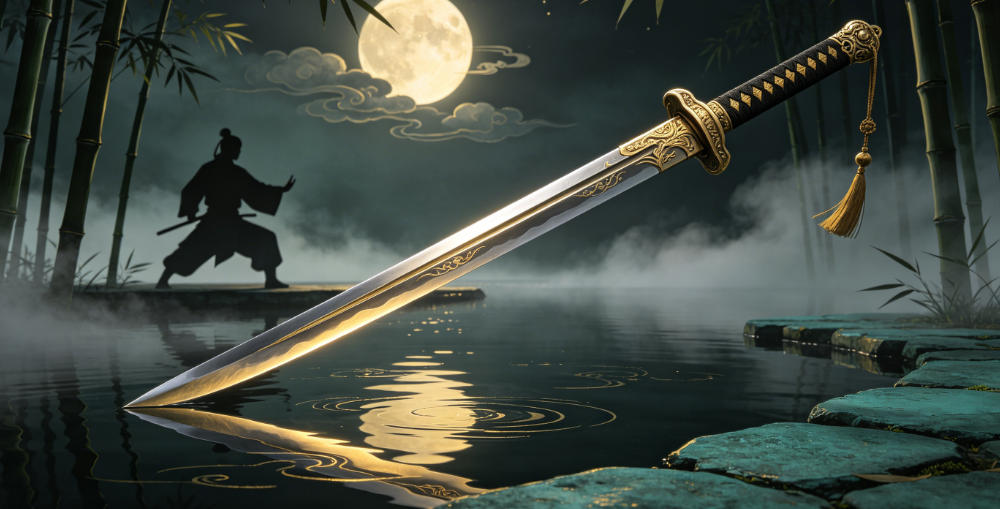
Chinese swords have a history spanning thousands of years and represent one of the most influential sword cultures in the world. From ancient bronze weapons of early dynasties to finely crafted high carbon steel blades used in martial arts and collections today, Chinese swords are not only weapons but also symbols of honor, philosophy, craftsmanship, and cultural heritage.
When people search for Chinese swords, ancient Chinese swords history, or traditional Chinese swords for sale, they often discover two legendary categories that define Chinese blade culture: the Jian sword (Chinese straight sword) and the Dao sword (Chinese saber). Each style has its own unique blade design, fighting method, historical background, and craftsmanship tradition.
This complete guide explores the types of Chinese swords, the history of Chinese sword making, famous Chinese blades, and the craftsmanship behind hand forged Chinese swords.
What Are Chinese Swords?
Chinese swords are traditional bladed weapons developed throughout Chinese history. Unlike many Western sword designs that mainly focused on battlefield combat, Chinese swords combined practical fighting ability with philosophy, art, and social status.
Traditional Chinese swords were created with careful attention to:
-
Blade shape and balance
-
Steel quality and forging techniques
-
Sharpness and durability
-
Handle design and grip comfort
-
Decorative elements and cultural meaning
Ancient Chinese swordsmiths developed advanced metallurgy techniques, including heat treatment, steel refinement, and layered forging, creating blades that balanced hardness and flexibility.
Today, Chinese swords remain popular among:
-
Martial arts practitioners
-
Sword collectors
-
Historical enthusiasts
-
Cosplay fans
-
Traditional weapon collectors

The Two Main Types of Chinese Swords: Jian and Dao
Most traditional Chinese swords can be divided into two major categories: Jian (剑) and Dao (刀). These two sword types represent different philosophies and combat styles in Chinese sword history.
Jian Sword (Chinese Double-Edged Straight Sword)
The Jian sword is one of the most famous traditional Chinese swords. It features a straight, double-edged blade and is often called the “gentleman’s sword” because of its connection with scholars, warriors, and Chinese philosophy.
Unlike heavy chopping weapons, the Jian focuses on:
-
Precision attacks
-
Thrusting techniques
-
Speed and agility
-
Balance between offense and defense
The Jian sword became closely associated with Chinese martial arts, especially Wushu swordsmanship, Tai Chi sword (Taijijian), and Wudang sword techniques.
A high-quality Jian sword usually features:
-
Straight symmetrical blade
-
Double cutting edges
-
Pointed tip for thrusting
-
Balanced weight distribution
-
Elegant fittings and decorations
Because of its graceful appearance and historical importance, the Jian remains one of the most collectible Chinese swords for collectors.
Dao Sword (Chinese Single-Edged Saber)
The Dao sword is a traditional Chinese single-edged blade designed mainly for powerful cutting and slashing attacks.
Compared with the Jian, the Dao usually has:
-
One sharpened edge
-
Curved or slightly curved blade
-
Strong cutting ability
-
Excellent battlefield practicality
The Dao became increasingly important in Chinese military history because it was easier to use effectively in combat and provided strong cutting performance.
Popular Dao sword variations include:
-
Liuyedao (Willow Leaf Saber)
-
Yanmaodao (Goose Feather Saber)
-
Piandao (Slashing Saber)
-
Niuweidao (Oxtail Saber)
-
Dadao (Chinese Great Sword)
Each design reflects different historical periods and battlefield requirements.
The History of Chinese Swords: From Bronze Age to Modern Collections
Early Chinese Bronze Swords
The history of Chinese swords began thousands of years ago with bronze weapons.
During ancient dynasties, early sword makers used bronze because it was easier to cast and shape. These early blades were not only military tools but also symbols of authority and social status.
The development of bronze sword technology created the foundation for later Chinese sword craftsmanship.
Warring States Period: The Golden Age of Ancient Chinese Swords
The Warring States period was one of the most important eras in Chinese sword history.
Constant warfare created demand for stronger and sharper weapons. During this period:
-
Sword lengths increased
-
Iron and steel blades appeared
-
Forging techniques improved
-
Famous swordsmith traditions developed
The Jian sword became highly refined during this era, while different regional sword styles emerged.
Legendary Chinese swords such as Zhanlu, Yuchang, and Chunjun became symbols of exceptional craftsmanship and sword-making mastery.
Qin and Han Dynasty Chinese Swords
During the Qin and Han dynasties, Chinese sword production became more standardized.
The famous Qin armies used advanced bronze and iron weapons with impressive manufacturing consistency.
During the Han Dynasty:
-
Steel production improved
-
Dao-style blades became more common
-
Military swords became stronger and more practical
Chinese swordsmiths continued improving blade hardness, flexibility, and durability through advanced forging methods.
Tang Dynasty: The Expansion of Chinese Sword Culture
The Tang Dynasty represented a high point of Chinese civilization, and sword culture also flourished during this period.
Tang swords influenced neighboring regions and became known for:
-
Strong battlefield performance
-
Elegant designs
-
Advanced metallurgy
-
Excellent balance
During this era, Chinese swords were not only weapons but also symbols of military power and artistic achievement.
Ming and Qing Dynasty Sword Development
During the Ming and Qing dynasties, Chinese sword design continued evolving.
Popular sword types included:
-
Liuyedao
-
Yanmaodao
-
Dadao
-
Decorative ceremonial swords
Many blades became more artistic, featuring:
-
Engraved patterns
-
Decorative guards
-
High-quality scabbards
-
Detailed sword fittings
At this stage, Chinese sword craftsmanship reached a combination of functionality and artistic beauty.
Chinese Sword Craftsmanship: How Traditional Swords Are Made
The creation of a traditional Chinese sword requires skill, patience, and experience.
A master swordsmith carefully controls every stage:
1. Selecting Quality Steel
Modern handmade Chinese swords often use materials such as:
-
1095 high carbon steel
-
T10 tool steel
-
Damascus steel
-
Spring steel
The choice of steel affects:
-
Blade strength
-
Sharpness
-
Flexibility
-
Edge retention
2. Forging the Blade
Hand forged Chinese swords are created through repeated heating, hammering, shaping, and refining.
Traditional forging techniques help achieve:
-
Strong blade structure
-
Improved durability
-
Unique surface patterns
3. Heat Treatment and Tempering
Heat treatment is one of the most important steps in sword making.
Proper tempering creates the ideal balance between:
-
Hard cutting edge
-
Flexible blade body
-
Long-term durability
A poorly treated blade may become too brittle or too soft.
4. Polishing and Assembly
The final steps include:
-
Blade polishing
-
Handle wrapping
-
Guard installation
-
Scabbard creation
-
Decorative finishing
Every detail contributes to the sword’s appearance and performance.

Chinese Swordsmanship and Martial Arts
Chinese swords are deeply connected with traditional martial arts.
Popular sword disciplines include:
-
Wushu sword
-
Tai Chi sword
-
Wudang sword
-
Traditional Jian techniques
Chinese swordsmanship emphasizes:
-
Body control
-
Balance
-
Speed
-
Precision
-
Harmony between movement and weapon
The sword is viewed not only as a fighting tool but also as an extension of the practitioner's spirit.
Chinese Swords in Modern Culture
Today, Chinese swords continue to attract global interest.
They appear in:
-
Chinese historical dramas
-
Fantasy movies
-
Video games
-
Anime-inspired designs
-
Martial arts demonstrations
Collectors often choose Chinese swords because they combine:
-
Historical value
-
Artistic beauty
-
Traditional craftsmanship
-
Unique cultural identity
For enthusiasts searching for authentic Chinese swords, hand forged Chinese swords, or high carbon steel Chinese swords, modern reproductions provide an opportunity to experience this ancient tradition.
How to Choose the Best Chinese Sword?
When selecting a Chinese sword, consider:
Purpose
Different swords are designed for:
-
Display collections
-
Martial arts practice
-
Historical reproduction
-
Cutting demonstrations
Material
Popular choices include:
-
1095 carbon steel for strength
-
T10 steel for premium blades
-
Damascus steel for visual patterns
Construction
Important features include:
-
Full tang construction
-
Proper blade balance
-
Quality fittings
-
Durable scabbard
A well-made Chinese sword should combine historical accuracy, craftsmanship, and reliable construction.
Conclusion: The Legacy of Chinese Sword Craftsmanship
Chinese swords represent thousands of years of innovation, artistry, and martial tradition.
From the elegant Jian sword to the powerful Dao saber, every blade tells a story of ancient technology, battlefield experience, and cultural philosophy.
Whether you are interested in Chinese sword history, traditional Chinese swords, hand forged swords, or collecting a beautiful historical blade, Chinese swords remain one of the most fascinating achievements in global sword craftsmanship.
