Ghost of Tsushima Explained: Jin Sakai Sword & Samurai vs Ghost
- von liqinliqin
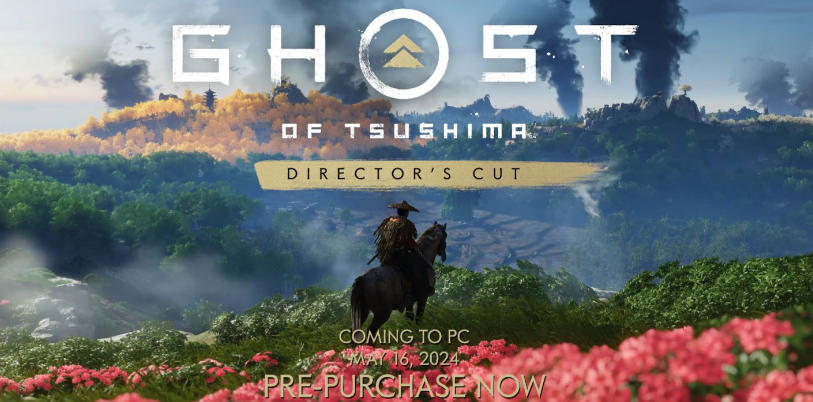
How Does Jin Sakai’s Swordsmanship in Ghost of Tsushima Compare to Anime Warriors Like Tengen Uzui and Itachi?
The story of Ghost of Tsushima follows Jin Sakai, a samurai of Clan Sakai who is forced to abandon traditional Bushido honor code during the Mongol invasion of Tsushima Island in 1274. The game blends samurai swordsmanship, stealth gameplay, emotional storytelling, and historical inspiration, making it one of the most searched titles in modern gaming, especially under queries like Ghost of Tsushima story explained, Jin Sakai katana fighting style, and best samurai games PS5 open world.
Ghost of Tsushima Story: Honor vs Survival in War
At the beginning of Ghost of Tsushima, the Mongol Empire launches a devastating invasion led by Khotun Khan. Jin Sakai and the samurai forces are crushed during the Battle of Komoda Beach, exposing a brutal truth: traditional samurai combat is not enough to defeat an enemy that ignores honor.
This moment defines the central conflict of the game often searched as Ghost of Tsushima honor vs survival meaning and why Jin Sakai becomes the Ghost.
To save Tsushima Island and its people, Jin begins to abandon strict samurai traditions and adopts unconventional warfare methods such as:
- Stealth assassination techniques
- Guerrilla warfare strategies
- Poison and fear-based combat tactics
- Ambush and infiltration missions
This evolution transforms him into the feared legend known as the Ghost of Tsushima, a warrior who wins battles not through honor, but through adaptation.

Jin Sakai Swordsmanship and Katana Fighting Style
The combat system of Ghost of Tsushima is heavily inspired by realistic kenjutsu (Japanese swordsmanship). Jin Sakai’s katana fighting style focuses on precision, timing, and battlefield awareness rather than exaggerated fantasy attacks.
Key elements of his swordsmanship include:
- Stance switching for different enemy types
- Perfect parry timing and counterattacks
- One-on-one dueling mechanics inspired by samurai duels
- Controlled, realistic katana strike patterns
This is why many players search for Ghost of Tsushima sword fighting realism explained and Jin Sakai katana real life inspiration, as the combat closely reflects historical samurai training concepts.
Unlike anime-style fighters, Jin’s sword represents discipline, survival pressure, and emotional conflict. Every duel reflects his struggle between identity as a samurai and necessity as the Ghost.
Jin Sakai vs Tengen Uzui: Realism vs Flashy Sword Style
A popular comparison in online discussions is Jin Sakai vs Tengen Uzui, highlighting the difference between realistic samurai combat and anime-style swordsmanship.
Tengen Uzui, from Demon Slayer, uses the Sound Breathing technique, a highly stylized combat system characterized by:
- Dual oversized cleaver blades
- Explosive rhythmic attacks
- High-speed acrobatics and flips
- Flashy visual combat effects
Search terms like Tengen Uzui fighting style explained and Sound Hashira techniques Demon Slayer reflect the popularity of this exaggerated anime sword style.
In contrast, Jin Sakai represents grounded realism. His combat is slow, precise, and lethal rather than flashy. This makes Ghost of Tsushima combat system realism one of the key reasons the game stands out in the samurai genre.
Jin Sakai vs Itachi Uchiha: Katana vs Spiritual Weapon Power
Another frequently searched comparison is Jin Sakai vs Itachi Uchiha, especially among anime and gaming fans.
While Jin uses a physical katana rooted in historical samurai combat, Itachi Uchiha from Naruto operates on a completely different level of power:
- The Totsuka Blade, a spiritual weapon within Susanoo
- Genjutsu (illusion-based combat techniques)
- Chakra-based supernatural abilities
- Sealing enemies into an eternal spiritual state
Search queries such as Itachi Totsuka Blade explained and Susanoo weapons Naruto meaning highlight the mystical nature of his fighting style.
Compared to Jin Sakai, Itachi’s sword is not physical realism but symbolic power, representing fate, illusion, and divine-level abilities.
Jin Sakai’s Transformation into the Ghost
One of the most important narrative arcs in Ghost of Tsushima is Jin Sakai’s transformation into the Ghost.
He gradually abandons:
- Traditional samurai dueling rules
- Direct honorable confrontation
- Strict Bushido ideology
And embraces:
- Fear-based psychological warfare
- Silent assassination techniques
- Tactical sabotage and stealth infiltration
This transformation is widely searched as Jin Sakai ghost transformation meaning and Ghost of Tsushima stealth vs samurai combat difference.
It represents a philosophical shift: winning war is no longer about honor, but about survival and protection of the people.

The Symbolism of Jin Sakai’s Katana
In Ghost of Tsushima, Jin Sakai’s katana is more than a weapon—it is a symbol of identity conflict.
It represents:
- Samurai tradition and discipline
- Emotional burden and moral struggle
- The balance between honor and necessity
- Humanity in the face of war brutality
As Jin becomes the Ghost, his sword evolves from a symbol of honor into a tool of survival, reflecting the game’s core message.
Cultural Impact of Ghost of Tsushima
Ghost of Tsushima has become one of the most influential modern samurai games, shaping global interest in Japanese history and sword culture.
It is frequently associated with searches like:
- best samurai games PS5 open world
- Ghost of Tsushima cultural accuracy explained
- realistic sword fighting video games
- samurai katana combat mechanics explained
The game bridges historical Japan with modern interactive storytelling, inspiring comparisons with anime, films, and other samurai-themed media.
Ghost of Tsushima Katana Tachi Sword – Handmade Full Tang High Manganese Steel Bo-Hi Blade Replica

Conclusion: The Dual Identity of the Samurai and the Ghost
The story of Ghost of Tsushima is ultimately a conflict between two identities:
- Jin Sakai the Samurai, bound by honor and tradition
- The Ghost, driven by necessity and survival
His katana symbolizes this inner struggle, shifting from a weapon of honor to a tool of strategic warfare.
When compared to anime warriors like Tengen Uzui and Itachi Uchiha, Jin Sakai stands out as the most realistic interpretation of swordsmanship in modern media.
This is why searches such as Ghost of Tsushima story explained Jin Sakai swordsmanship, realistic samurai combat game, and Ghost vs anime sword fighting comparison continue to grow worldwide—because the game is not just about fighting, but about redefining what it means to be a warrior.
-
Veröffentlicht in
Ghost of Tsushima
