How Heavy Is a Katana? Weight, Balance, and Performance Explained
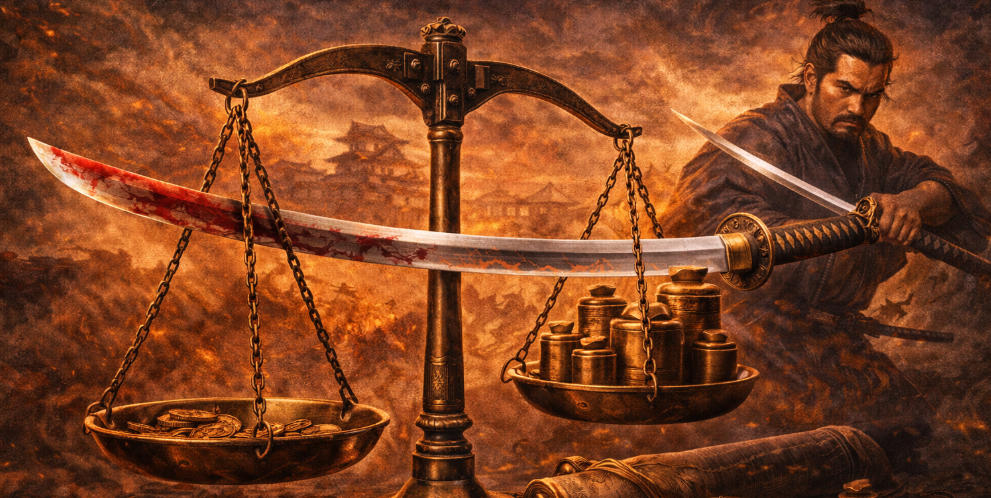
How Heavy Is a Katana and Why Does Its Balance Matter for Martial Arts?
The katana, one of the most iconic Japanese swords, is celebrated for its sharpness, elegance, and deadly efficiency. Beyond its legendary reputation, the weight and balance of a katana play a crucial role in its performance, handling, and martial arts applications. From traditional samurai swords to modern replica katanas, understanding the science behind katana weight and balance is essential for collectors, martial artists, and enthusiasts of Japanese sword craftsmanship.
The Typical Weight of a Katana
Most katanas weigh between 1.1 to 1.5 kilograms (2.4 to 3.3 pounds), although variations exist depending on blade length, curvature, and materials used. A properly balanced katana is designed to maximize cutting efficiency while minimizing fatigue during prolonged use.
- Traditional katana: Made of folded steel, optimized for samurai combat and Iaido or Kendo training.
- Modern replica katanas: Crafted from high-carbon steel or stainless steel for collectors or martial arts demonstrations.
- Weight distribution: A katana may feel light at the hilt but has enough mass toward the blade tip to deliver powerful cuts.
The balance of the blade is just as important as its weight, as it determines the sword’s agility and ease of maneuverability.

How Balance Affects Performance
A katana’s center of gravity (CoG) is typically located a few inches from the hilt, allowing the wielder to execute fluid strikes with precision. Proper balance ensures:
- Fast, controlled cuts: Enables swift slashes without sacrificing power.
- Reduced fatigue: Even after hours of training or sparring, the sword feels lighter due to its optimal weight distribution.
- Martial arts efficiency: Techniques in Iaido, Kenjutsu, and Kendo rely heavily on the katana’s balance for smooth draws and accurate strikes.
Collectors and martial artists often test a sword’s weight-to-balance ratio before purchase to ensure it aligns with their training or display needs.
Factors That Influence Katana Weight
Several elements affect a katana’s weight and performance:
- Blade length: Longer blades naturally weigh more but provide greater reach.
- Blade thickness: Thicker blades increase durability and cutting power.
- Hilt (Tsuka) and guard (Tsuba): Materials like hardwood, ray skin, or metal add subtle weight and affect balance.
- Construction technique: Traditional folded steel or modern laminated steel influences overall weight.
A well-crafted katana strikes the perfect balance between durability, cutting ability, and handling, demonstrating the genius of traditional Japanese swordsmiths.

Comparing Katana Weight to Other Swords
Unlike European longswords or rapiers, which may weigh 1.2–1.8 kg (2.6–4 lbs) but rely on brute force or thrusting, the katana’s lighter weight and precise balance allow for fluid, continuous motion. This design makes it ideal for fast strikes, draws, and martial arts techniques, distinguishing it from heavier, more rigid blades.
How Weight Impacts Cutting Performance
A katana’s weight and balance directly affect cutting efficiency:
- Too heavy: Fatigue sets in quickly, reducing speed and accuracy.
- Too light: Lacks sufficient mass to slice cleanly through targets.
- Optimal weight: Ensures maximum kinetic energy transfer, producing sharp, clean cuts with minimal effort.
Martial artists often practice with various katanas to find the perfect sword weight for their body type, strength, and technique.
Advanced Insights: Blade Geometry and Handling
Beyond weight and balance, the katana’s geometry also influences performance:
- Curvature (Sori): The katana’s slight curve enables slicing with a drawing motion, increasing cutting efficiency.
- Blade taper: The gradual thinning from spine to edge allows for precision cuts and reduces drag.
- Tip (Kissaki) design: A sharp, pointed tip enhances thrusting techniques in Kenjutsu and Iaido.
These subtle design choices, combined with proper weight and balance, make the katana a versatile weapon capable of both slashing and piercing.
Modern Considerations for Collectors and Martial Artists
Today, katana enthusiasts and collectors consider weight and balance crucial:
- Training swords (Iaito): Lightweight and balanced for repetitive practice in Iaido or Kenjutsu.
- Display or ceremonial katanas: May prioritize craftsmanship, aesthetics, and symbolic weight rather than combat efficiency.
- Custom katanas: Some makers tailor weight, curvature, and balance to the buyer’s martial arts style or collection needs.
Understanding katana weight, balance, and performance is essential for anyone seeking a functional or collectible Japanese sword.
The Legacy of Katana Craftsmanship
The katana remains a symbol of Japanese martial culture, craftsmanship, and martial arts mastery. Its precise weight, perfect balance, and razor-sharp edge make it not just a weapon but a work of art. Whether used in Iaido, Kendo, or historical study, understanding how weight and balance influence performance deepens appreciation for the ingenuity behind this legendary sword.
Collectors, martial artists, and enthusiasts all recognize that a properly balanced katana combines history, science, and deadly elegance, making it one of the most iconic swords in the world.
Hand Forged Deadpool Wakizashi Sword – 1095 High Carbon Steel Blade, Full Tang Japanese Samurai Replica

Choosing the Right Katana for You
When selecting a katana, consider:
- Purpose: Training, collection, cosplay, or martial arts performance.
- Weight preference: Beginners often choose lighter swords for easier handling, while advanced practitioners may prefer heavier blades for power.
- Balance and feel: Always test the sword to ensure it feels natural in hand and complements your technique.
A well-balanced katana not only performs better but also enhances the wielder’s connection to the samurai spirit and Japanese sword heritage.
