Katana, Wakizashi, Tanto : The Samurai’s Three Legendary Swords
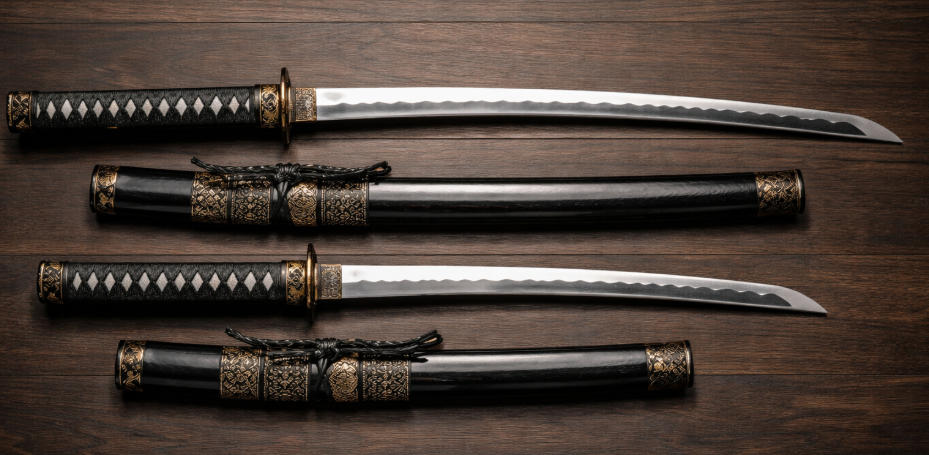
What Are the Katana, Wakizashi, and Tanto, and Why Were They Essential to Samurai?
The samurai are among the most iconic warriors in history, and their weapons played a central role in their identity and effectiveness on the battlefield. Among these weapons, the katana, wakizashi, and tanto—collectively known as the samurai’s three swords—represent a perfect combination of craftsmanship, strategy, and cultural symbolism. Understanding these blades offers insight into the art of Japanese swordsmanship, bushido, and the evolution of martial traditions that have fascinated collectors and martial artists worldwide.
The Katana: The Soul of the Samurai
The katana is undoubtedly the most famous of the samurai’s swords. Known for its curved, single-edged blade, the katana is optimized for precision cutting and swift strikes, making it a lethal weapon in skilled hands. Traditionally worn edge-up through a sash called an obi, it allows for quick-draw techniques that are central to kenjutsu and modern kendo practice.
Beyond its functionality, the katana symbolizes the samurai’s honor, discipline, and spirit. Masters spent years honing their techniques, ensuring every cut, thrust, and parry reflected the warrior’s skill and mental focus. High-quality katana were crafted using layered tamashigane steel, combining flexibility with a razor-sharp edge.

The Wakizashi: The Companion Sword
Smaller than the katana but equally essential, the wakizashi served as a companion sword, often worn together in a pair called the daisho. While the katana dominated open combat, the wakizashi was ideal for close-quarters fighting, indoor defense, or as a backup weapon. Samurai also used the wakizashi for ritual purposes, including seppuku, symbolizing loyalty and courage.
Its shorter blade allowed for versatility, and its craftsmanship mirrored that of the katana, with attention to blade geometry, balance, and sharpness. Collectors today value wakizashi for both historical significance and martial practicality, often pairing them with katana replicas for authentic daisho sets.
The Tanto: The Samurai’s Dagger
The tanto is a small, single- or double-edged dagger that rounds out the samurai’s three-sword arsenal. Designed for thrusting, stabbing, and precise cuts, the tanto was essential for stealth missions, close combat, and as a last-resort weapon. Samurai sometimes carried multiple tanto, each with a unique purpose, and like their larger swords, many were decorated with elaborate scabbards, guards, and hilts reflecting status and artistry.
Modern martial arts still train with tanto in tantojutsu, focusing on defensive maneuvers, strikes, and counters. For collectors, tanto represent an opportunity to study ancient Japanese metallurgy and sword-making techniques, providing insight into the craftsmanship that made samurai weapons both functional and aesthetically remarkable.

The Cultural and Strategic Significance of the Three Swords
The combination of katana, wakizashi, and tanto was more than just practical—it symbolized the samurai’s social rank, readiness, and moral code. The daisho was a visual statement of authority, while each sword’s specific role in combat ensured a versatile and adaptive warrior. From open battlefield engagements to indoor confrontations, the samurai’s three swords provided unmatched strategic flexibility.
For modern enthusiasts, understanding the katana, wakizashi, and tanto helps decode samurai culture, martial techniques, and the evolution of Japanese swords. Collectors and martial artists alike study these weapons to gain insight into historical combat, swordsmanship training, and the enduring legacy of the samurai.
Collecting and Preserving the Samurai’s Three Swords
Today, the three swords are prized by collectors, historians, and martial arts practitioners. Authentic and replica blades allow enthusiasts to explore samurai sword sets, daisho pairs, and traditional Japanese craftsmanship. From hand-forged steel katana to intricately decorated wakizashi and tanto, these swords bridge history and modern martial practice. Collecting or training with these blades offers a tangible connection to the samurai ethos, bushido, and historical weapon mastery.
The Art of Craftsmanship Behind the Three Swords
Each of the samurai’s three swords reflects centuries of Japanese sword-making mastery. Blades were carefully forged using techniques like folding tamahagane steel, which produced layers that enhanced strength, flexibility, and cutting precision. Hilts, guards, and scabbards were often adorned with intricate designs, family crests, or symbolic motifs. For collectors and martial arts enthusiasts, studying these details offers insight into ancient metallurgical techniques and the aesthetic values that elevated samurai swords beyond mere weapons to works of art.
Training and Modern Martial Practices
Today, the katana, wakizashi, and tanto are central to various martial arts disciplines such as kenjutsu, iaido, and tantos-jutsu. Practitioners train to master techniques that replicate historical combat, emphasizing precision, timing, and discipline. Modern tournaments and demonstrations showcase the effectiveness of the samurai’s three swords, preserving centuries-old strategies while educating a new generation about Japanese martial heritage. These practices not only maintain the legacy of the samurai but also allow enthusiasts to experience firsthand the versatility and skill required to wield each blade effectively.
