Miyamoto Musashi: Legendary Samurai, Duels & Sword Style Guide
- von liqinliqin
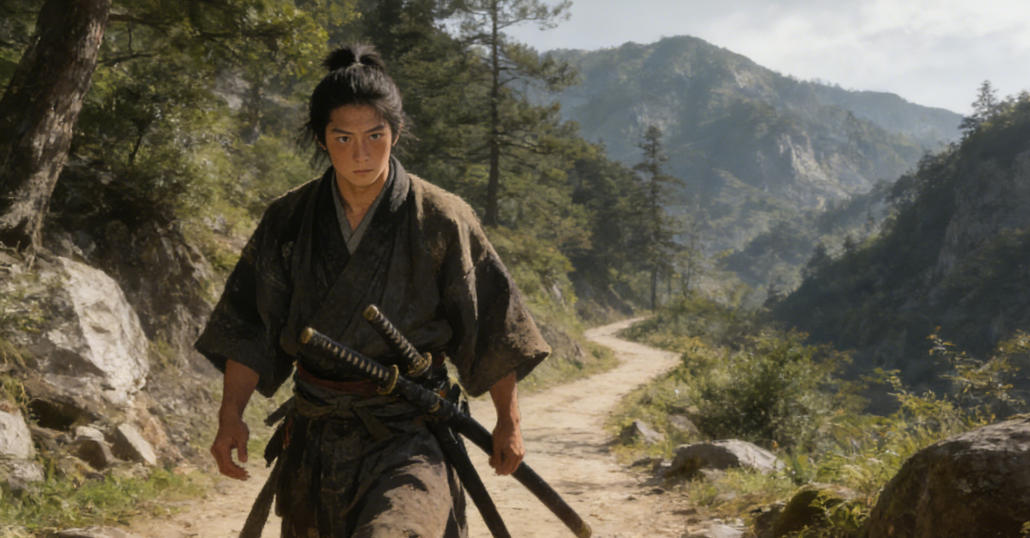
Who Was Miyamoto Musashi and Why Is He Japan’s Greatest Samurai?
Who Was Miyamoto Musashi? The Real Story Behind Japan’s Most Famous Samurai
Miyamoto Musashi is widely considered the greatest swordsman in Japanese history. Known as an undefeated samurai, wandering ronin, military strategist, philosopher, artist, and author of The Book of Five Rings, Musashi became one of the most legendary figures of the late Sengoku period and early Edo period.
Modern searches such as 'who was Miyamoto Musashi', 'Miyamoto Musashi real history', 'greatest samurai of all time', and 'was Miyamoto Musashi real' continue to generate enormous global interest because his story combines historical reality with legendary samurai mythology.
What makes Musashi unique is that his legacy extends far beyond sword fighting. He became a symbol of martial mastery, samurai discipline, strategic thinking, personal growth, and Japanese warrior philosophy. His teachings continue to influence modern martial arts, leadership studies, competitive psychology, and tactical training around the world.
Early Life of Miyamoto Musashi and His Childhood Sword Training
Miyamoto Musashi was born around 1584 during Japan’s violent civil war era. Historical sources suggest his birth name was Shinmen Takezo, and he was raised in a family connected to samurai traditions and martial combat.
Unlike many elite samurai raised within noble castles, Musashi experienced a difficult and independent childhood. From an early age, he was exposed to:
- Swordsmanship training
- Battlefield survival
- Martial discipline
- Real combat situations
- Warrior philosophy
According to historical records, Musashi fought his first duel at around age thirteen against a swordsman named Arima Kihei and won despite his young age. This victory helped establish his reputation as a martial prodigy and future samurai legend.
Searches such as 'Miyamoto Musashi first duel', 'young Musashi history', and 'how Miyamoto Musashi became strong' remain highly popular among samurai history enthusiasts and martial arts practitioners.

The Sengoku Era and the Life of a Wandering Ronin
To fully understand Miyamoto Musashi history, it is important to understand the violent environment of the Sengoku period, one of the bloodiest eras in Japanese history.
Japan during this time was filled with:
- Clan warfare
- Samurai conflicts
- Political betrayal
- Military campaigns
- Regional power struggles
After the wars of Japanese unification, many samurai became ronin, meaning masterless warriors without a lord. Musashi traveled throughout Japan as a wandering ronin samurai, challenging martial artists from different schools to improve his combat skills and strategic understanding.
This wandering lifestyle allowed Musashi to:
- Test his abilities in real combat
- Study multiple fighting systems
- Develop independent sword techniques
- Refine his samurai philosophy
- Learn battlefield psychology
Unlike traditional samurai loyal to one daimyo, Musashi pursued continuous self-improvement through travel, discipline, and combat experience.
The Legendary Duels of Miyamoto Musashi
One of the biggest reasons Miyamoto Musashi became legendary was his undefeated duel record. Historical traditions claim he fought more than sixty duels without losing, making him one of the most famous undefeated swordsmen in history.
Searches for:
- 'Miyamoto Musashi undefeated record'
- 'Musashi famous duels'
- 'real samurai duels history'
- 'best samurai swordsman in Japan'
continue attracting massive search traffic worldwide.
Musashi’s combat style focused less on elegance and more on practical efficiency and psychological warfare. He often used:
- Mental pressure against opponents
- Unexpected tactics
- Timing manipulation
- Environmental advantages
- Aggressive offensive rhythm
- Unorthodox weapons and movements
Many historians believe Musashi’s victories came as much from strategic intelligence and psychological dominance as from raw swordsmanship ability.
Miyamoto Musashi vs Sasaki Kojiro: Japan’s Most Famous Samurai Duel
The most legendary event in Miyamoto Musashi’s life was his duel against Sasaki Kojiro, one of the greatest swordsmen of the era.
This duel took place in 1612 on Ganryu Island, becoming perhaps the most famous samurai sword duel in Japanese history.
According to popular stories:
- Musashi intentionally arrived late
- He psychologically irritated Kojiro before combat began
- He carved a wooden sword from a boat oar during the trip
- He defeated Kojiro with a single decisive strike
Search terms such as 'Miyamoto Musashi vs Sasaki Kojiro', 'Ganryu Island duel explained', and 'greatest samurai duel ever' remain extremely popular among fans of Japanese history and samurai culture.
Although some details are debated by historians, the duel became a symbol of strategy overcoming speed and technique.
The Creation of Niten Ichi-ryu and Musashi’s Two-Sword Fighting Style
One of Musashi’s greatest contributions to martial arts was the creation of Niten Ichi-ryu, also known as the Two Heavens as One School.
Unlike most traditional samurai schools that focused on using a single katana, Musashi developed a revolutionary system using:
- A long sword (katana)
- A short sword (wakizashi) simultaneously
This dual-sword style became one of the most famous swordsmanship systems in Japanese martial arts history.
Searches for:
- 'Miyamoto Musashi two sword style'
- 'Niten Ichi-ryu explained'
- 'dual katana fighting techniques'
- 'Musashi sword style training'
remain highly searched among martial arts practitioners worldwide.
Musashi believed warriors should master adaptability rather than depend on fixed techniques or rigid traditions.

The Book of Five Rings and Musashi’s Samurai Philosophy
Near the end of his life, Musashi retired to Reigando Cave, where he wrote his famous strategy text, The Book of Five Rings (Go Rin No Sho).
This book became one of the most influential martial arts and military strategy texts ever written.
It is divided into five sections:
- Earth
- Water
- Fire
- Wind
- Void
Each section explains principles related to:
- Combat strategy
- Tactical awareness
- Mental discipline
- Leadership
- Adaptability
- Psychological control
Modern searches such as 'The Book of Five Rings summary', 'Miyamoto Musashi philosophy explained', 'samurai strategy book', and 'Book of Five Rings lessons' remain highly popular today.
The book is now studied not only by martial artists, but also by:
- Business leaders
- Athletes
- Military officers
- Entrepreneurs
- Leadership coaches
Musashi’s philosophy emphasizes rhythm, timing, observation, and human psychology over brute force.
Musashi as an Artist, Philosopher, and Zen Thinker
Many people know Musashi as a legendary swordsman, but fewer realize he was also:
- A painter
- A calligrapher
- A philosopher
- A Zen-influenced thinker
In his later years, Musashi focused increasingly on spiritual and artistic development. His writings suggest he believed true mastery required balance between:
- Martial skill
- Mental calmness
- Discipline
- Simplicity
- Self-awareness
- Emotional control
This deeper philosophical side contributes heavily to modern searches for:
- 'Miyamoto Musashi quotes'
- 'Musashi philosophy on life'
- 'samurai mindset and discipline'
- 'Zen samurai philosophy'
Miyamoto Musashi in Modern Anime, Games, and Popular Culture
The legend of Miyamoto Musashi continues to dominate modern entertainment and samurai media worldwide.
He appears in:
- Anime and manga
- Samurai films
- Video games
- Historical novels
- Martial arts documentaries
Popular searches include:
- 'Miyamoto Musashi anime appearances'
- 'Musashi in video games'
- 'real samurai inspiration in anime'
- 'best samurai characters based on history'
His image as the wandering undefeated ronin has become one of the most recognizable symbols of Japanese warrior culture worldwide.
Death and Historical Legacy of Japan’s Greatest Samurai
Musashi spent his final years teaching students, writing philosophy, and refining his martial understanding. He completed The Book of Five Rings shortly before his death in 1645.
Today, he is remembered as:
- Japan’s greatest swordsman
- A samurai strategy master
- A martial arts innovator
- A symbol of self-discipline and mastery
- One of the most influential warriors in Japanese history
Searches such as 'best samurai in Japanese history', 'Miyamoto Musashi legacy', and 'real sword saint Japan' continue generating strong worldwide interest.
Conclusion: Why Miyamoto Musashi Still Fascinates the World
The lasting fascination with Miyamoto Musashi comes from the rare combination of:
- Undefeated combat legend
- Revolutionary swordsmanship
- Strategic intelligence
- Samurai philosophy
- Historical mystery
- Personal discipline
From his legendary duel with Sasaki Kojiro to the timeless teachings of The Book of Five Rings, Musashi became much more than a samurai warrior.
He evolved into a global symbol of mastery, adaptability, mental strength, and warrior philosophy, ensuring that the legend of Miyamoto Musashi continues to inspire martial artists, historians, strategists, and samurai enthusiasts centuries after his death.
