Naginata History, Techniques and Samurai Weapon Cultural Meaning
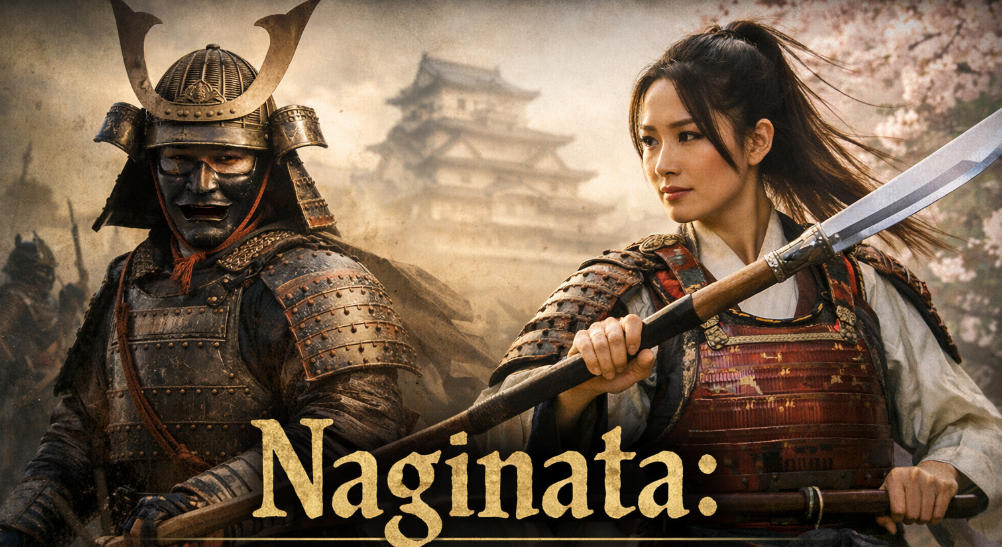
What Is a Naginata and How Was It Used by Samurai and Female Warriors?
The naginata is one of the most iconic weapons in Japanese history. Combining the reach of a spear with the cutting power of a sword, the naginata played a major role in samurai warfare, martial arts training, and Japanese cultural tradition for centuries.
Known for its elegant curved blade mounted on a long wooden shaft, the naginata became famous not only among samurai warriors but also among the legendary female warriors known as Onna-Bugeisha. Today, interest in Japanese polearms, samurai weapons, naginata martial arts, and traditional Japanese weapons continues to grow worldwide.
From battlefield combat to modern martial arts dojos, the naginata remains a powerful symbol of discipline, strategy, and warrior spirit.
This article explores:
- What a naginata is
- The history of the naginata in feudal Japan
- Naginata combat techniques and fighting styles
- Its role among samurai and female warriors
- The evolution of Naginatajutsu and Naginata-do
- Why the naginata still matters in modern culture
What Is a Naginata?
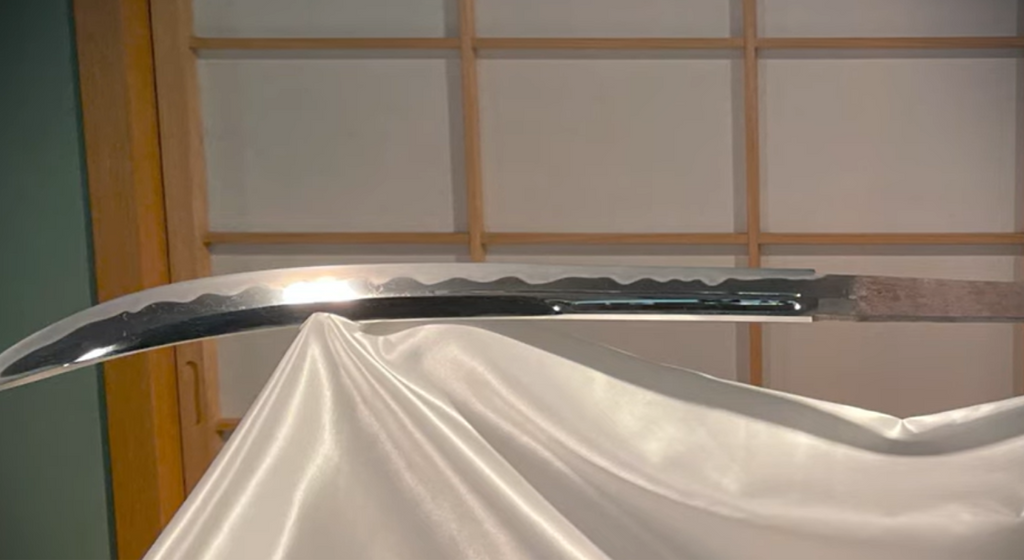
A naginata is a traditional Japanese pole weapon featuring a curved single-edged blade attached to a long shaft.
The word 'naginata' is commonly associated with the idea of 'sweeping down' or 'mowing down,' reflecting the weapon’s broad cutting motions and battlefield effectiveness.
Compared to shorter Japanese swords such as the katana or wakizashi, the naginata offered several advantages:
- Longer attack range
- Better crowd control
- Effective anti-cavalry capability
- Greater defensive spacing
- Versatile attack angles
Because of these qualities, the naginata became one of the most respected weapons in medieval Japanese warfare.
Origins of the Naginata in Japanese History
The naginata first appeared during the Heian period and rose to prominence throughout the Kamakura and Sengoku eras. During these centuries of constant warfare, Japanese armies required weapons capable of controlling space and countering mounted opponents.
The naginata proved especially effective because its sweeping attacks could disrupt enemy formations while keeping opponents at a safer distance.
Historically, the weapon was used by:
- Samurai warriors
- Warrior monks (Sohei)
- Foot soldiers
- Female samurai warriors
- Castle defenders
Before the widespread dominance of yari spears and firearms, the naginata was considered one of the primary battlefield weapons of Japan’s warrior class.
Why the Naginata Was Important to Samurai
The naginata held an important role in samurai warfare because it balanced offense, defense, and mobility.
Unlike shorter swords designed for close combat, the naginata allowed samurai to:
- Maintain distance from enemies
- Strike cavalry riders
- Control multiple opponents
- Defend strategic positions
- Transition smoothly between attack and defense
Its long shaft and curved blade created fluid combat movements that combined reach with cutting power.
Many historians describe the naginata as one of the most technically elegant weapons in Japanese martial history because it required:
- Precise footwork
- Timing
- Balance
- Rhythm
- Body coordination
This combination of martial efficiency and graceful movement helped make the naginata deeply respected in samurai culture.
The Naginata and Female Samurai Warriors
One of the most famous aspects of the naginata is its association with Onna-Bugeisha, the female warriors of feudal Japan.
Although male samurai widely used the naginata in earlier centuries, the weapon later became strongly connected with women from samurai families.
Women trained with the naginata to:
- Defend homes and castles
- Protect family members
- Maintain household security during war
- Preserve samurai honor
The weapon’s long reach helped compensate for physical disadvantages against armored opponents, making it practical for defensive combat.
Legendary female warriors such as Tomoe Gozen are often associated with the naginata, contributing to its reputation as a symbol of courage, discipline, and female strength.
Today, the naginata remains one of the strongest historical symbols of female martial tradition in Japan.
Naginata Design and Technical Characteristics
The naginata’s design differs significantly from standard Japanese swords.
Long Wooden Shaft
The shaft is typically over 1.5 meters long, allowing wide combat reach and flexible defensive positioning.
Curved Blade
The curved blade enhances sweeping slashes and flowing attack motions while maintaining cutting effectiveness.
Balanced Construction
A properly balanced naginata allows smooth transitions between:
- Horizontal sweeps
- Diagonal cuts
- Forward thrusts
- Defensive blocks
- Rotational strikes
Traditional naginata blades were often forged using methods similar to Japanese swords, reflecting the craftsmanship of samurai weapon-making traditions.

Naginata Techniques and Martial Arts
Naginatajutsu
Naginatajutsu refers to the traditional combat techniques developed for battlefield use.
Training focused on:
- Combat efficiency
- Tactical spacing
- Fast directional changes
- Defensive mobility
- Multi-opponent combat
Core techniques include:
- Sweeping attacks
- Thrusting strikes
- Circular cuts
- Defensive parries
- Footwork control
Because of its long reach, the naginata required exceptional coordination between body movement and weapon handling.
Naginata-do
Modern Naginata-do evolved from classical martial systems into a modern martial art emphasizing:
- Discipline
- Etiquette
- Mental focus
- Technical precision
- Spiritual development
Today, Naginata-do is practiced internationally as both a competitive sport and traditional martial art.
Naginata vs Katana: What Makes Them Different?
One of the most common comparisons in Japanese weapon history is naginata vs katana.
Although both are iconic samurai weapons, they served very different battlefield roles.
| Weapon | Primary Strength | Combat Range | Typical Use |
|---|---|---|---|
| Naginata | Reach and crowd control | Long-range | Battlefield formations |
| Katana | Speed and close combat | Short-range | Personal duels and sidearm |
The katana eventually became more culturally symbolic during the peaceful Edo period, while the naginata declined in military importance as battlefield tactics evolved.
However, the naginata remained highly respected for its versatility and strategic effectiveness.
The Decline of the Naginata on the Battlefield
As Japanese warfare evolved, the naginata gradually lost prominence.
Several factors contributed to this decline:
- Rise of mass infantry formations
- Increased use of yari spears
- Development of firearms
- Tactical battlefield changes
Spears became more practical in tightly organized military formations because they allowed easier thrusting attacks without wide swinging motions.
Despite this, the naginata never disappeared completely and remained important in martial traditions and household defense.
The Naginata in Modern Culture
Today, the naginata continues to appear in:
- Anime
- Samurai films
- Video games
- Historical dramas
- Martial arts demonstrations
Modern audiences are drawn to the weapon because it combines:
- Elegance
- Historical depth
- Samurai symbolism
- Female warrior imagery
- Dynamic combat style
Interest in keywords such as naginata weapon, Japanese polearm, samurai glaive, and naginata martial arts continues growing globally.
Collectors and martial artists also value the naginata for its unique blend of historical craftsmanship and cultural symbolism.
Why the Naginata Still Matters Today
The naginata represents far more than an ancient battlefield weapon.
It symbolizes:
- Samurai discipline
- Martial skill
- Strategic intelligence
- Japanese cultural heritage
- Female warrior tradition
- Spiritual development through martial arts
From medieval battlefields to modern martial arts schools, the naginata continues to preserve an important part of Japan’s warrior legacy.
Its enduring popularity demonstrates how traditional weapons can evolve beyond warfare and become lasting cultural symbols recognized throughout the world.
